


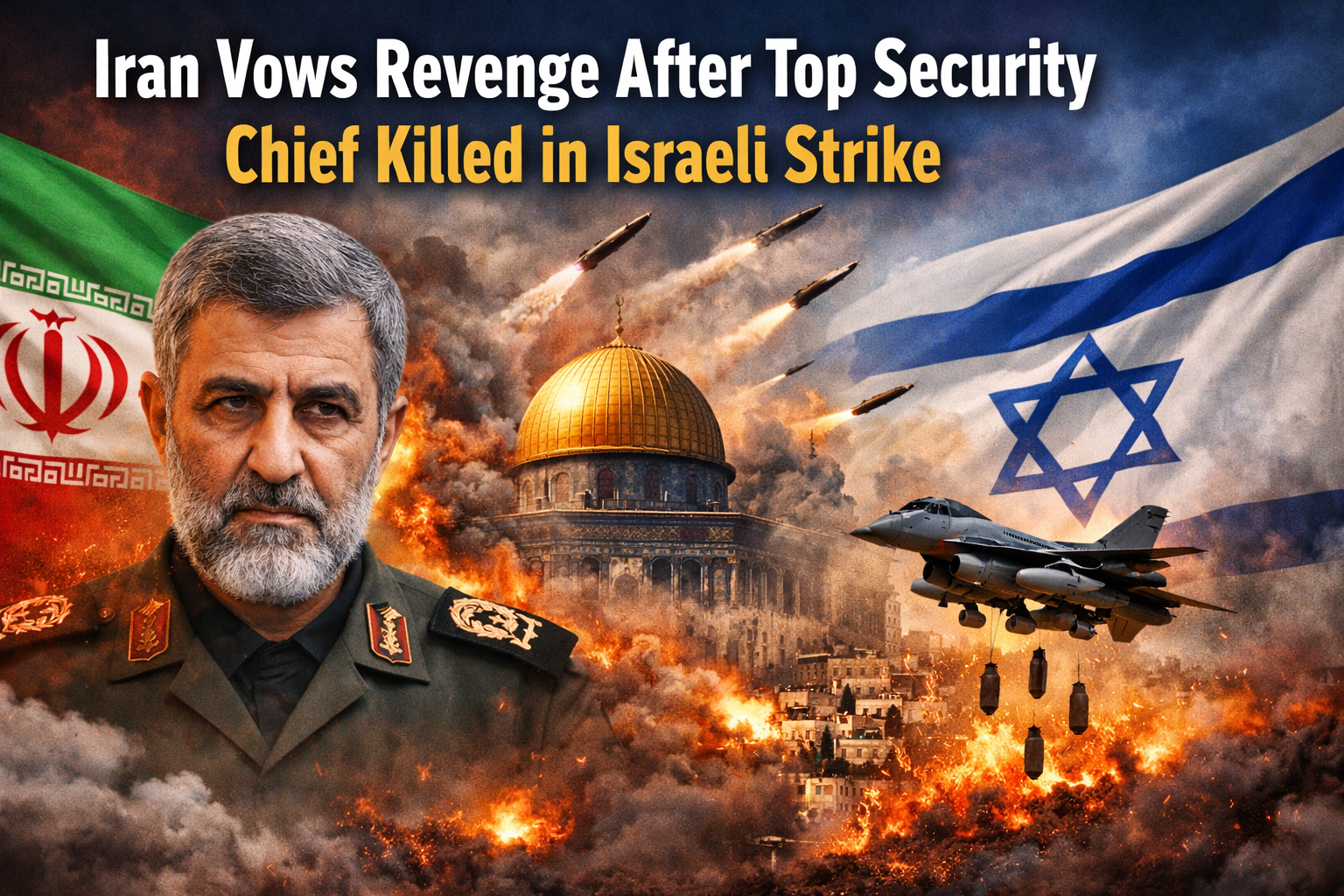
Tensions in the Middle East have increased sharply after Iran’s top security chief was killed in an Israeli airstrike. This incident has created a serious situation between Iran and Israel, raising fears of a bigger conflict. Iran has clearly said it will take revenge, which could lead to further violence in the region.
In this blog, we will explain what happened, why it matters, and what could happen next in simple and easy language.
What Happened in the Israeli Strike?
According to recent reports, Iran confirmed that its national security chief, Ali Larijani, was killed in an Israeli airstrike in Tehran.
This attack was part of ongoing military actions between Israel and Iran. The strike also killed other important people, including his family members and security staff.
Israel has been targeting high-level Iranian officials as part of its strategy to weaken Iran’s leadership and military power.
Who Was Ali Larijani?
Ali Larijani was one of the most powerful leaders in Iran. He played an important role in:
- National security decisions
- Military strategy
- Political leadership
After the death of Iran’s supreme leader earlier this year, Larijani became even more influential in running the country.
His death is considered a major loss for Iran and has shocked the country’s leadership.
Iran’s Reaction: Promise of Revenge
After the attack, Iranian leaders strongly reacted and promised revenge. Iran’s army and top officials said that the response would be “decisive and regrettable.”
Iran also launched missile attacks on Israel shortly after the incident, showing that it is serious about retaliation.
The government believes the attack was not just a military strike but a direct challenge to Iran’s power and sovereignty.
Rising Tensions Between Iran and Israel
The conflict between Iran and Israel is not new, but it has become more dangerous in recent weeks. Key reasons include:
- Ongoing military strikes
- Political disagreements
- Nuclear program concerns
- Regional power struggle
The killing of a top security leader has made the situation worse. Experts believe this could lead to a long-term conflict if not controlled.
Global Impact of the Conflict
This conflict is not limited to just Iran and Israel. It is affecting the whole world in many ways:
1. Oil Prices Rising
The Middle East is a major oil-producing region. Due to the conflict, oil prices have increased significantly.
2. Trade Disruption
The Strait of Hormuz, an important shipping route, is at risk. This can affect global trade and supply chains.
3. Safety Concerns
Many countries are worried about the safety of their citizens in the region.
4. Risk of Wider War
There is a growing fear that other countries may get involved, leading to a larger war.
Role of the United States
The United States is also involved in the situation. Reports suggest that the US supports Israel’s actions and has also carried out strikes on Iranian military sites.
This involvement makes the situation more complex and increases the chances of a bigger international conflict.
What Could Happen Next?
There are a few possible outcomes:
1. More Military Attacks
Iran may continue launching missile or drone attacks in response.
2. Full-Scale War
If tensions continue to rise, it could turn into a large-scale war in the Middle East.
3. Diplomatic Talks
Some countries may try to reduce tensions through negotiations, but Iran has already rejected some peace proposals.
4. Economic Impact
The global economy may face problems due to rising oil prices and trade disruptions.
Conclusion
The killing of Iran’s top security chief in an Israeli strike has created a very serious situation in the Middle East. Iran’s promise of revenge has increased tensions and raised fears of a bigger conflict.
This situation is important not only for the region but also for the whole world. If the conflict continues, it could affect global peace, economy, and security.
For now, the world is watching closely to see what happens next.
FAQs
1. Why did Israel attack Iran’s security chief?
Israel targeted Iran’s top officials to weaken its military and leadership power.
2. Who was Ali Larijani?
He was Iran’s national security chief and one of the most powerful leaders in the country.
3. How did Iran respond to the attack?
Iran promised strong revenge and launched missile attacks on Israel.
4. Will this lead to a war?
There is a high risk of war if tensions continue to increase.
5. How does this affect the world?
It can increase oil prices, disrupt trade, and create global security concerns.
