


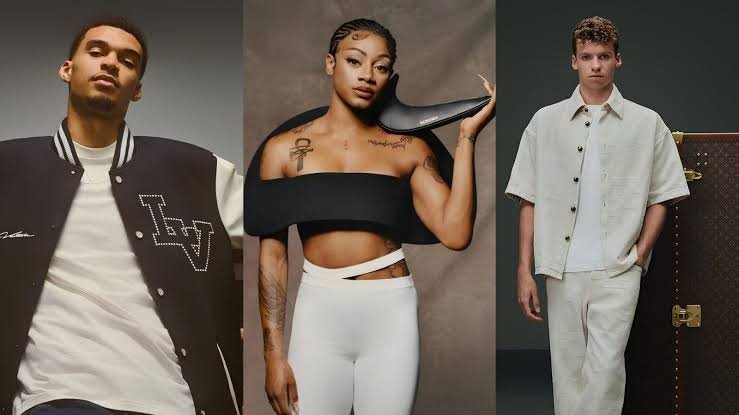
Luxury brands have traditionally worked with actors, models, musicians, and Hollywood celebrities to promote their products. However, the fashion and luxury industries are now seeing a major shift. Athletes are becoming some of the most powerful brand ambassadors for luxury watches, designer clothing, premium footwear, jewellery, and high-end accessories.
From football stars and tennis champions to Formula 1 drivers and basketball legends, sports personalities are attracting the attention of luxury brands around the world. Their influence goes beyond sports, reaching fashion, lifestyle, entertainment, and social media.
But why are luxury brands choosing athletes over traditional celebrities? The answer lies in their global popularity, personal stories, strong public image, and ability to connect with millions of fans.
The Growing Connection Between Sports and Luxury Fashion
Sports and luxury fashion have become closely connected in recent years. Major sporting events, international tournaments, and championship celebrations provide excellent opportunities for luxury brands to reach new audiences.
Athletes are no longer known only for their performance on the field. Many have become fashion icons who influence how people dress, shop, and express their personal style.
For example, football stars such as Cristiano Ronaldo and Kylian Mbappé have built powerful personal brands that extend beyond their sporting careers. Tennis champion Roger Federer has also developed a strong connection with luxury watchmaking through his association with Rolex.
These partnerships help luxury brands connect with sports fans while introducing their products to consumers who may not traditionally follow luxury fashion.
1. Athletes Have Global Recognition
One of the biggest reasons athletes are becoming luxury brand ambassadors is their international popularity.
Major sports attract audiences from different countries, cultures, and age groups. A successful athlete can have millions of followers across Instagram, YouTube, and other social media platforms.
This global reach is extremely valuable for luxury companies. Instead of focusing only on fashion audiences, brands can reach sports fans, young professionals, and lifestyle-conscious consumers.
For instance, a luxury watch brand partnering with a famous tennis player can attract both watch collectors and tennis enthusiasts. Similarly, a designer fashion house working with a football star can connect with younger consumers who admire that athlete.
This combination of sports and lifestyle gives luxury brands a wider audience and greater international visibility.
2. Athletes Represent Discipline and Excellence
Luxury products are often associated with quality, precision, craftsmanship, and exclusivity. These qualities are also closely linked to professional sports.
Elite athletes spend years improving their skills, maintaining their fitness, and working toward exceptional performance. Their dedication creates a natural connection with luxury brands that want to communicate excellence.
A premium watchmaker, for example, may use an athlete’s commitment to precision and performance to support its brand message. A luxury fashion brand may highlight an athlete’s confidence, ambition, and individuality.
This connection makes an endorsement feel more meaningful when the athlete genuinely reflects the brand’s values.
Rather than simply displaying an expensive product, the athlete becomes part of a larger story about success, achievement, and personal ambition.
3. Social Media Has Changed Luxury Marketing
Social media has transformed the way luxury brands communicate with customers. Traditional advertising often depends on magazine campaigns, television commercials, and exclusive fashion events.
Today, Instagram, TikTok, YouTube, and other digital platforms allow brands to reach audiences directly.
Athletes are particularly valuable in this environment because fans often follow their everyday lives, training routines, travel experiences, and personal style.
A photograph of an athlete wearing a luxury watch or a video featuring designer clothing can generate significant attention. These moments help brands remain visible beyond traditional advertising campaigns.
Athletes also provide opportunities for behind-the-scenes content, event appearances, interviews, and collaborations.
However, successful luxury marketing is not just about follower numbers. Engagement, audience trust, brand suitability, and the quality of the content are equally important.
4. Younger Consumers Are Influencing Luxury Trends
Younger consumers are becoming an important audience for luxury fashion and accessories. Many discover premium brands through social media, sports personalities, and popular culture.
Athletes can make luxury products feel more relevant to this generation.
For example, a young football fan may become interested in designer sneakers after seeing a favourite player wearing them. Another consumer may begin following luxury watch brands after learning about an athlete’s watch collection.
This does not mean every fan will purchase an expensive product. Instead, athlete partnerships can build awareness, create aspiration, and influence long-term brand preferences.
Luxury companies can also use these collaborations to introduce younger audiences to their history, craftsmanship, and design philosophy.
5. Athletes Bring Authenticity and Powerful Personal Stories
Modern consumers often respond to people and stories rather than advertisements alone.
Athletes have personal journeys that can make their public image compelling. Their stories may include overcoming challenges, recovering from injuries, achieving important victories, and working toward long-term goals.
These experiences can create an emotional connection with audiences.
Luxury brands can use this connection to communicate messages about ambition, resilience, confidence, and personal achievement.
However, authenticity is essential. If an endorsement feels unnatural or conflicts with an athlete’s public image, it may have less impact. The strongest partnerships are built around shared values and a genuine connection between the athlete and the product.
6. Luxury Watches and Athleisure Are Leading the Trend
Luxury watches have a long history of association with sports. Precision timekeeping, performance, and technical innovation make professional athletes natural partners for watchmakers.
Brands such as Rolex have maintained strong connections with major sporting events and prominent sports personalities. Other luxury watchmakers also work with athletes to highlight performance, design, and craftsmanship.
Fashion is another major area of growth. Athletes increasingly appear at fashion shows, wear designer outfits during public appearances, and collaborate with premium clothing and footwear brands.
The rise of athleisure has also helped bring sports culture into everyday fashion. Consumers now regularly combine athletic clothing with premium sneakers, luxury bags, watches, and other accessories.
As a result, the boundary between sportswear and luxury fashion continues to become less clear.
7. Athletes Offer Long-Term Marketing Opportunities
A successful athlete partnership can continue for years. Brands may work with athletes across advertising campaigns, product launches, sporting events, and exclusive collections.
Long-term relationships can help build recognition and trust. When audiences repeatedly see an athlete associated with a particular brand, the partnership can become part of both identities.
Some collaborations also involve product design, limited-edition releases, or charitable initiatives.
These activities give athletes a more active role in luxury marketing. They are no longer simply endorsing products; they may also help shape campaigns, introduce new audiences, and participate in brand storytelling.
Still, brands must carefully evaluate potential risks, including public controversies, changing consumer preferences, and an athlete’s future performance or availability.
What This Trend Means for the Future of Luxury Brands
Athletes are likely to remain important figures in luxury marketing as sports, fashion, and digital culture continue to overlap.
Luxury companies may increasingly focus on partnerships that combine global recognition with strong personal identity and cultural relevance. They may also explore collaborations with athletes from women’s sports, emerging sports markets, and younger generations.
At the same time, traditional celebrity ambassadors will continue to play an important role. Actors, musicians, models, and other public figures remain valuable to luxury brands.
The future is therefore not about replacing one type of celebrity with another. It is about selecting ambassadors who can communicate a brand’s values, connect with the right audience, and create a meaningful story.
Conclusion
Athletes are becoming the new luxury brand ambassadors because they offer a powerful combination of global recognition, discipline, authenticity, and cultural influence.
Their popularity helps luxury brands reach international audiences, while their personal journeys provide stories that consumers can connect with emotionally. Social media and the growing relationship between sportswear and high fashion have made these partnerships even more valuable.
For luxury companies, the best athlete partnerships go beyond fame. They connect the athlete’s identity with the brand’s heritage, quality, and vision.
As sports and luxury fashion continue to influence each other, athletes are set to remain an important part of the global luxury industry.

1 Comment
Pingback: Shushu/Tong: How the Fashion Duo Is Redefining Modern Femininity - America Weekly | Latest US News, Politics & Weekly Updates