


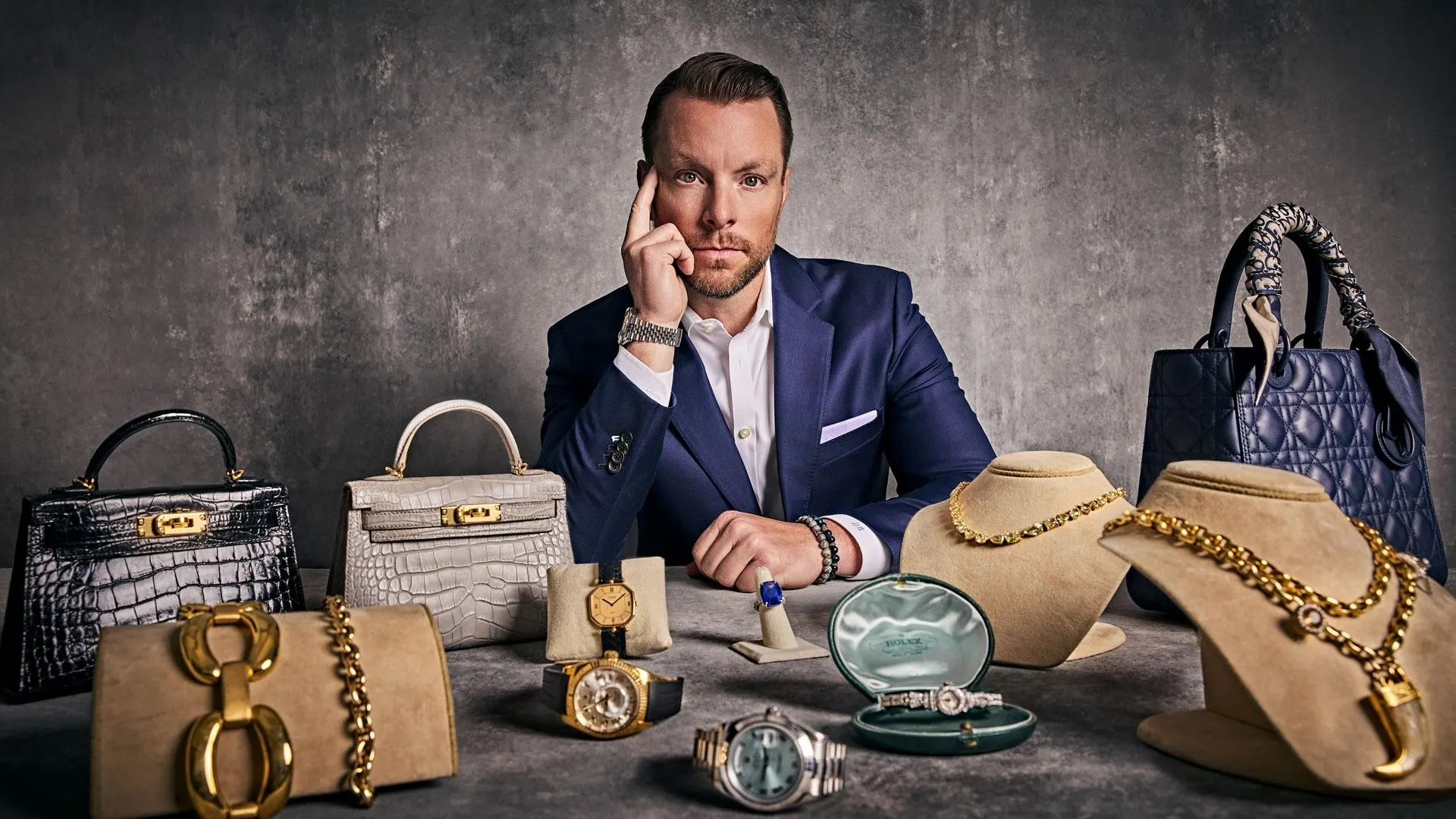
Luxury is often associated with expensive cars, designer handbags, rare watches, and beautiful homes. For most people, these items are lifestyle purchases. However, some wealthy individuals see luxury products differently. They look at certain purchases as potential investments that may increase in value over time.
The ultra-rich often focus on rare, limited-edition, and highly desirable items. Instead of buying something simply because it looks expensive, they may consider its rarity, brand reputation, historical value, and future demand.
But not every luxury purchase becomes a profitable investment. Understanding the difference between buying for pleasure and buying for long-term value is an important part of this strategy.
1. Rare Watches Can Become Valuable Assets
Luxury watches are among the most popular collectible items among wealthy buyers. Brands such as Rolex, Patek Philippe, and Audemars Piguet have models that attract collectors around the world.
Some watches become more valuable because they are produced in limited quantities, have special designs, or are connected to important moments in a brand’s history.
For example, a rare vintage watch in excellent condition may attract strong demand from collectors. If the supply remains limited while demand increases, its market price may rise.
However, buyers must understand that watch prices can change. Popularity, condition, authenticity, maintenance costs, and market trends all affect resale value.
The ultra-rich often research a watch’s history and resale market before making a purchase. They may also keep original boxes, certificates, and receipts to support authenticity and future resale.
2. Designer Handbags Can Offer Collectible Value
Luxury handbags are another category that attracts collectors and investors. Certain handbags from brands such as Hermès and Chanel can command high resale prices, particularly when they are rare, highly desirable, or difficult to obtain through regular retail channels.
The Hermès Birkin and Kelly bags are well-known examples of luxury handbags with active resale markets.
Their value may depend on factors such as leather type, color, size, condition, availability, and buyer demand. Limited availability can make certain versions especially attractive to collectors.
However, the price paid at retail does not guarantee a profit in the resale market. Auction fees, selling commissions, taxes, and changes in fashion trends can reduce returns.
Experienced buyers generally focus on authenticity, condition, and long-term desirability rather than assuming that every expensive handbag will appreciate.
3. Luxury Real Estate Can Build Long-Term Wealth
Real estate is one of the most established ways wealthy individuals combine lifestyle choices with investment opportunities.
A luxury property in a desirable location may provide several benefits. It can offer a comfortable place to live, potential rental income, and the possibility of long-term capital appreciation.
Properties in locations with limited land, strong infrastructure, attractive surroundings, and consistent demand may have better prospects for maintaining their value.
Some wealthy investors purchase historic homes, premium apartments, waterfront properties, or architectural landmarks because these assets offer features that are difficult to reproduce.
Nevertheless, luxury real estate comes with significant expenses. Maintenance, insurance, property taxes, transaction costs, and periods without rental income can affect profitability.
A beautiful property is not automatically a good investment. Location, purchase price, legal documentation, and realistic rental or resale potential matter more than appearance alone.
4. Fine Art Can Combine Passion With Investment
Fine art is another market that attracts wealthy collectors. Paintings, sculptures, and works by established artists can become valuable because of their artistic importance, rarity, provenance, and demand among collectors.
Some ultra-rich buyers build art collections over many years. They may work with art advisers, galleries, auction houses, and independent experts to understand an artwork’s history and market position.
Provenance, which refers to an artwork’s ownership history, can play an important role in establishing its authenticity and desirability.
However, art is a specialized market. It can be difficult to estimate the true value of a painting, and selling it quickly at a favorable price may not always be possible.
Storage, transportation, insurance, restoration, and auction fees can also be expensive.
For these reasons, art investing usually requires expert guidance and a willingness to hold an asset for an extended period.
5. Classic Cars Can Become Collectible Investments
Classic and collectible cars are popular among wealthy enthusiasts. Certain models become desirable because of their rarity, engineering, motorsport history, design, or connection to a famous manufacturer.
Brands such as Ferrari, Porsche, and Mercedes-Benz have produced vehicles that attract collectors in specialist markets.
A well-preserved car with documented ownership and maintenance history may attract stronger interest than a similar vehicle in poor condition.
Some collectors purchase cars because they enjoy driving or displaying them, while also considering their potential resale value.
Still, collectible cars require ongoing maintenance, secure storage, insurance, and careful handling. Mechanical problems or changing collector preferences can reduce their value.
Buyers should consider total ownership costs instead of looking only at the expected selling price.
6. Why the Ultra-Rich Focus on Rarity and Demand
One common factor connects many luxury investment categories: scarcity.
When an item is genuinely rare and many buyers want it, its market value may increase. However, scarcity alone is not enough. Demand must exist, and buyers must be willing to pay for the item’s qualities.
The ultra-rich may evaluate several factors before purchasing a collectible:
- Rarity: How many examples exist, and how easy are they to obtain?
- Brand reputation: Does the maker have a strong and lasting position in the market?
- Condition: Has the item been preserved properly?
- Authenticity: Are its origin and ownership records verifiable?
- Market demand: Are collectors actively buying similar items?
- Resale costs: How much will it cost to sell the item later?
This research helps buyers make more informed decisions, although it cannot eliminate investment risk.
7. Luxury Investments Require Patience
A common mistake is assuming that a luxury item will increase in value simply because it is expensive.
In reality, many luxury products lose value after purchase. Newer models, changing tastes, economic conditions, and reduced demand can all affect resale prices.
Unlike publicly traded shares, collectibles may take months or longer to sell. Their market prices may also be less transparent, making it difficult to determine their true value.
Successful collectors often think in terms of years rather than weeks. They may purchase items they genuinely appreciate and can afford to hold without needing immediate access to the money.
They also recognize that luxury collectibles should generally represent only a portion of a broader financial strategy rather than replace diversified investments.
8. What Ordinary Buyers Can Learn From Wealthy Collectors
You do not need to be ultra-rich to apply some of these principles.
First, research an item’s resale history before purchasing it. Second, compare the actual selling prices of similar items rather than relying only on advertised prices. Third, maintain receipts, authenticity certificates, and original packaging where relevant.
It is also important to calculate all costs, including insurance, maintenance, storage, taxes, and selling fees.
Most importantly, never spend money needed for essential expenses or emergency savings on a speculative luxury purchase.
A luxury item can be enjoyable even if it never increases in value. Treating it as an investment requires a different mindset, realistic expectations, and careful research.
Conclusion
The ultra-rich sometimes turn luxury purchases into investments by choosing rare and desirable items, researching market demand, preserving their condition, and holding them for the long term.
Luxury watches, designer handbags, fine art, classic cars, and premium real estate can offer investment opportunities, but none guarantees a profit.
The key lesson is simple: an expensive purchase becomes a potential investment only when its value is supported by real demand, sound research, and sensible financial planning. Wealthy collectors may enjoy the luxury itself, but the smartest buyers also understand the costs, risks, and conditions that influence its future value.

1 Comment
Pingback: Shushu/Tong: How the Fashion Duo Is Redefining Modern Femininity - America Weekly | Latest US News, Politics & Weekly Updates