


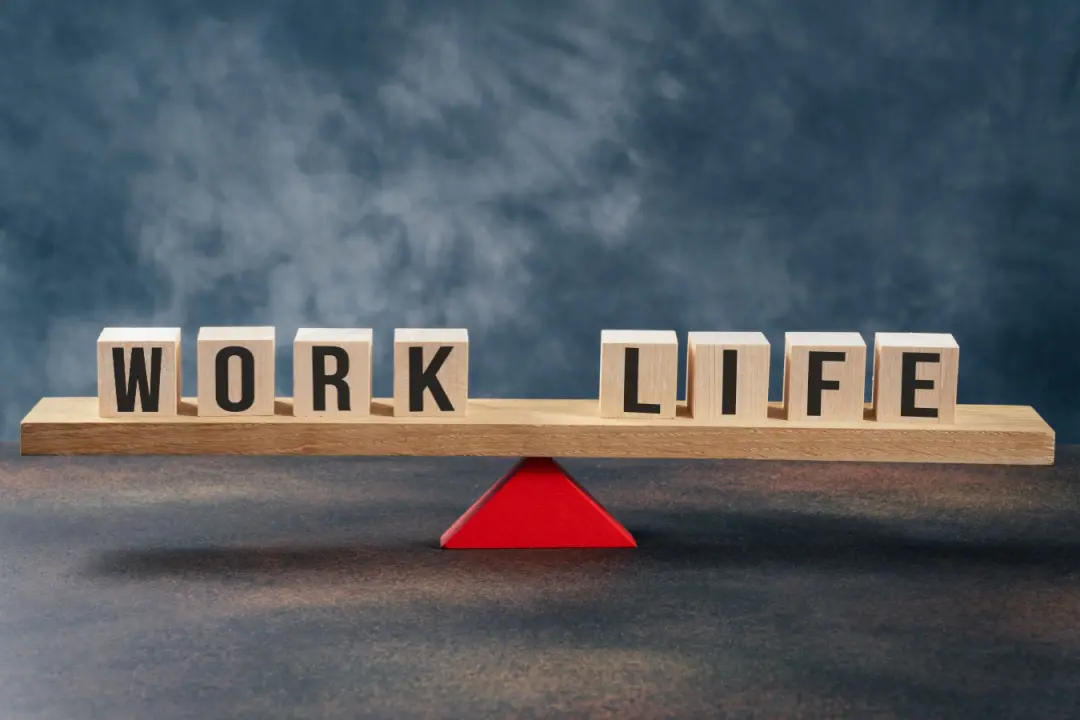
In today’s fast-paced world, many people struggle to balance their work and personal lives. Long working hours, family responsibilities, social commitments, and daily stress can make life feel overwhelming. Maintaining a healthy work-life balance is important for both physical and mental well-being. It helps reduce stress, improve productivity, and create a happier lifestyle.
This guide will explain what work-life balance means, why it matters, and how you can achieve a stress-free lifestyle with simple and practical tips.
What Is Work-Life Balance?
Work-life balance is the ability to manage your professional responsibilities and personal life effectively. It means giving enough time and attention to your job, family, health, hobbies, and relaxation without feeling constantly stressed or exhausted.
A good work-life balance does not mean spending equal hours on work and personal activities. Instead, it means creating a lifestyle that meets your needs and supports your overall happiness.
Why Work-Life Balance Is Important
A healthy balance between work and personal life offers many benefits:
Reduces Stress
Too much work can lead to burnout and emotional exhaustion. Taking time for yourself helps lower stress levels and improve mental health.
Improves Physical Health
People with a balanced lifestyle often sleep better, exercise regularly, and maintain healthier habits.
Increases Productivity
When you are well-rested and less stressed, you can focus better and complete tasks more efficiently.
Strengthens Relationships
Spending quality time with family and friends helps build stronger personal connections and emotional support.
Boosts Overall Happiness
A balanced life allows you to enjoy work while still making time for the activities you love.
Common Signs of Poor Work-Life Balance
Many people may not realize they are struggling with work-life balance. Here are some warning signs:
- Constant stress or anxiety
- Feeling tired all the time
- Lack of time for family and friends
- Difficulty sleeping
- Frequent headaches or health issues
- Reduced motivation at work
- Feeling overwhelmed by responsibilities
If you notice these signs, it may be time to make positive changes.
Tips for Achieving Work-Life Balance
Set Clear Boundaries
One of the most effective ways to create balance is to separate work time from personal time.
For example:
- Avoid checking work emails after office hours.
- Create a dedicated workspace if you work from home.
- Let colleagues know your working hours.
Clear boundaries help prevent work from taking over your personal life.
Prioritize Your Tasks
Not every task is equally important. Make a daily to-do list and focus on high-priority activities first.
Ask yourself:
- What needs immediate attention?
- What can wait until later?
- What tasks can be delegated?
This approach helps reduce unnecessary stress.
Learn to Say No
Many people feel pressured to accept every request or responsibility. However, taking on too much can lead to burnout.
Politely decline tasks that do not fit your schedule or priorities. Protecting your time is an important part of maintaining balance.
Take Regular Breaks
Working continuously for long hours can reduce productivity and increase stress.
Simple ways to take breaks include:
- Walking for a few minutes
- Stretching your body
- Drinking water
- Taking deep breaths
Short breaks help refresh your mind and improve focus.
Make Time for Exercise
Physical activity is one of the best ways to reduce stress and improve health.
You do not need intense workouts. Simple activities such as:
- Walking
- Cycling
- Yoga
- Swimming
can help improve your mood and energy levels.
Focus on Quality Sleep
Sleep plays a major role in maintaining work-life balance.
To improve sleep quality:
- Go to bed at the same time each night.
- Avoid screens before sleeping.
- Create a relaxing bedtime routine.
Getting enough rest helps you perform better at work and enjoy your personal life.
Spend Time with Loved Ones
Strong relationships contribute to emotional well-being.
Try to:
- Have family meals together.
- Plan weekend activities.
- Stay connected with friends.
Quality time with loved ones can help reduce stress and increase happiness.
Practice Self-Care
Self-care is not selfish. It is essential for maintaining physical and mental health.
Examples of self-care include:
- Reading a book
- Listening to music
- Meditation
- Gardening
- Enjoying your favorite hobby
Even a few minutes each day can make a difference.
Disconnect from Technology
Constant notifications and screen time can increase stress.
Consider:
- Limiting social media use
- Turning off unnecessary notifications
- Taking digital breaks during the day
This can help you stay present and focused.
Building Long-Term Work-Life Balance
Achieving work-life balance is not a one-time task. It requires regular attention and adjustments.
Remember to:
- Review your priorities often.
- Make time for activities you enjoy.
- Seek support when needed.
- Focus on your overall well-being.
Small daily changes can lead to lasting improvements in your lifestyle.
Conclusion
Work-life balance is essential for a healthy, productive, and stress-free life. By setting boundaries, managing your time wisely, prioritizing self-care, and maintaining healthy habits, you can reduce stress and enjoy greater happiness.
Remember that balance looks different for everyone. The key is finding a routine that works for your personal and professional goals. With consistent effort, you can create a lifestyle that supports both success and well-being.
Frequently Asked Questions (FAQs)
1. What is work-life balance?
Work-life balance is the ability to manage work responsibilities and personal life in a healthy and satisfying way.
2. Why is work-life balance important?
It helps reduce stress, improve physical and mental health, increase productivity, and strengthen personal relationships.
3. How can I improve my work-life balance?
You can improve balance by setting boundaries, prioritizing tasks, exercising regularly, getting enough sleep, and making time for family and hobbies.
4. What are the signs of poor work-life balance?
Common signs include constant stress, fatigue, lack of personal time, sleep problems, and feeling overwhelmed.
5. Can work-life balance improve mental health?
Yes. A healthy work-life balance can reduce anxiety, lower stress levels, and contribute to better emotional well-being.
