


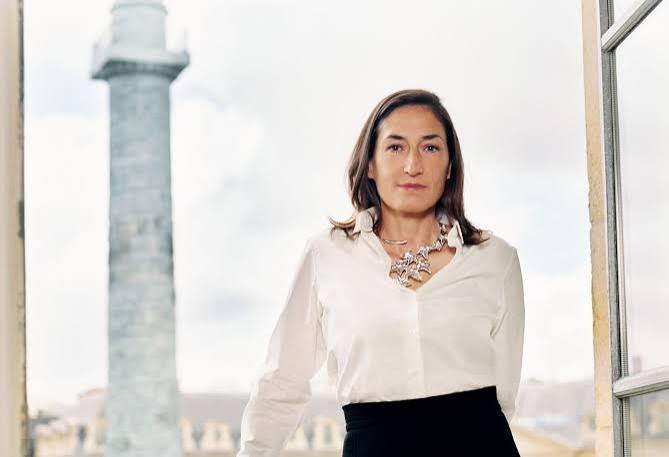
Hélène Poulit-Duquesne is a prominent French luxury executive best known for her leadership at Boucheron, one of France’s historic jewelry and luxury houses. During her time at the company, she has helped shape Boucheron’s modern identity while protecting the heritage that made the brand famous.
Her leadership reflects an important change in the luxury industry. Today, luxury brands need more than traditional craftsmanship. They must also understand younger customers, global markets, digital communication, and changing ideas about luxury. Poulit-Duquesne has played an important role in bringing these elements together at Boucheron.
Who Is Hélène Poulit-Duquesne?
Hélène Poulit-Duquesne is a French business executive with extensive experience in the luxury sector. She became closely associated with Boucheron after taking on the role of CEO and helping guide the brand through a period of international growth and transformation.
Boucheron was founded in Paris in 1858 by Frédéric Boucheron. The maison has a long history in high jewelry and is part of the Kering luxury group.
Poulit-Duquesne’s role has been to help make the historic jewelry house relevant to a new generation while maintaining its reputation for craftsmanship and creativity.
What Makes Her Leadership Important?
The luxury market has changed significantly in recent years. Customers increasingly discover brands through social media, celebrities, online platforms, and digital storytelling.
For an established house such as Boucheron, the challenge is balancing tradition with modern culture.
Under Poulit-Duquesne’s leadership, Boucheron has continued to highlight its heritage while developing a more contemporary and recognizable identity. The brand has become increasingly visible among younger luxury consumers and international audiences.
Her approach demonstrates that heritage does not necessarily mean staying in the past. Instead, historic brands can use their heritage as a foundation for innovation.
How Is Hélène Poulit-Duquesne Transforming Boucheron?
One of the key areas of Boucheron’s transformation has been its global positioning.
Boucheron has expanded its visibility in important luxury markets around the world. Asia, Europe, the Middle East, and North America are all important regions for the luxury jewelry industry.
Poulit-Duquesne has also supported a strategy that connects Boucheron’s traditional expertise with modern communication.
The brand’s campaigns, collections, boutiques, and digital presence help tell a consistent story about creativity and French luxury.
Another important element is the way Boucheron communicates with younger consumers. Modern luxury buyers often want products with a story, personality, and strong visual identity. Boucheron has increasingly emphasized these qualities.
Boucheron’s Balance Between Heritage and Innovation
Boucheron has more than 160 years of history, giving the company a powerful heritage advantage.
However, heritage alone does not guarantee success.
Luxury consumers today expect innovation in design, materials, retail experiences, and communication. Boucheron has therefore continued to explore contemporary interpretations of jewelry while maintaining its connection to traditional craftsmanship.
This balance is central to the brand’s modern strategy.
Poulit-Duquesne’s leadership has helped position Boucheron as a house that can respect its past while looking toward the future.
Why Is Hélène Poulit-Duquesne Important to the Luxury Industry?
Poulit-Duquesne represents the growing influence of women in senior leadership positions across the luxury industry.
Her career also shows how modern luxury management combines business strategy with creativity and brand storytelling.
A luxury CEO must understand financial performance, international expansion, consumer behavior, retail, marketing, and brand identity. These responsibilities become even more complex when managing a historic maison.
Her work at Boucheron provides an example of how leadership can help an established luxury brand adapt to changing consumer expectations.
What Is Boucheron Known For?
Boucheron is known for high jewelry, fine jewelry, watches, and luxury craftsmanship. The house has a strong connection with French jewelry history and is particularly associated with creative designs and distinctive motifs.
Its Parisian heritage remains an important part of its identity.
The brand is also recognized for its Place Vendôme history. Boucheron became one of the major jewelry houses associated with Paris’s famous luxury district.
Today, Boucheron combines this heritage with contemporary designs aimed at a global audience.
What Can We Learn From Hélène Poulit-Duquesne’s Leadership?
There are several lessons from Poulit-Duquesne’s approach to luxury leadership.
First, established brands must continue to evolve. A famous name can provide credibility, but innovation keeps the brand relevant.
Second, storytelling matters. Luxury customers often purchase more than a physical product. They buy craftsmanship, history, identity, and emotion.
Third, global growth requires local understanding. Luxury brands need to communicate effectively with consumers across different cultures and markets.
Finally, successful leadership requires balancing creativity with business strategy. Boucheron’s continued development shows why both elements are important.
The Future of Boucheron
Boucheron enters the future with a strong combination of heritage, craftsmanship, and contemporary creativity.
The luxury jewelry market is becoming increasingly competitive. Brands must attract new consumers while maintaining exclusivity and desirability.
Boucheron’s ability to combine its historic identity with modern design and global communication will remain important.
Hélène Poulit-Duquesne’s leadership has been part of this transformation, helping demonstrate how a historic French jewelry house can adapt to the modern luxury landscape.
Conclusion
Hélène Poulit-Duquesne is an important figure in the modern luxury industry and a key leader associated with Boucheron’s transformation. Her work highlights how a historic luxury maison can evolve without losing its identity.
By combining heritage, innovation, international growth, and modern storytelling, Boucheron continues to build its presence in the global luxury market.
Her leadership offers a simple lesson: the future of luxury depends not only on protecting tradition but also on knowing when and how to reinvent it.
