


How One Visionary Saved an Entire Industry
The Swiss watch industry is known for luxury, craftsmanship, and precision. Brands like Omega, Longines, Tissot, and Breguet are respected around the world today. But there was a time when this famous industry was close to collapse. During the late 1970s and early 1980s, many believed Swiss watchmaking would disappear forever.
One man refused to let that happen.
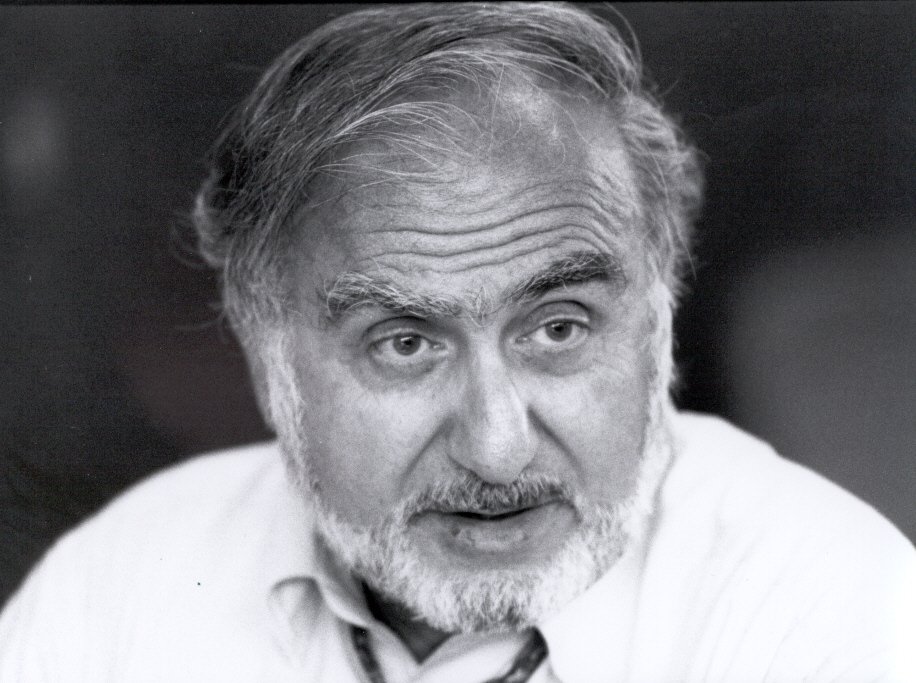
His name was Nicolas Hayek—a businessman, strategist, and visionary who transformed one of the biggest crises in Swiss manufacturing into one of the greatest business success stories in history. His bold ideas not only saved thousands of jobs but also rebuilt Switzerland’s reputation as the global leader in watchmaking.
Who Was Nicolas Hayek?
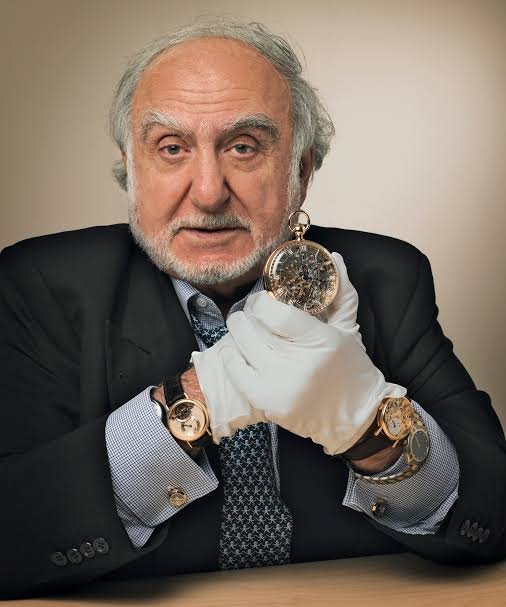
Nicolas George Hayek was born on February 19, 1928, in Beirut, Lebanon, to a Lebanese father and an American mother. He later moved to Switzerland, where he built a successful career as a business consultant.
Unlike traditional watchmakers, Hayek was not an engineer or designer. His strength was understanding businesses, solving complex problems, and creating long-term strategies. These skills would later help him rescue an industry that many thought was beyond saving.
The Crisis Facing Swiss Watchmakers
During the 1970s, the Swiss watch industry faced fierce competition from Japanese manufacturers like Seiko and Citizen. These companies introduced affordable and highly accurate quartz watches that quickly became popular worldwide.
Swiss companies continued to focus on expensive mechanical watches while consumers increasingly preferred cheaper quartz models. Sales dropped sharply, factories closed, and thousands of workers lost their jobs.
Many experts believed the era of Swiss watches was over.
Nicolas Hayek’s Bold Mission
In 1983, Nicolas Hayek was asked to evaluate two struggling Swiss watch companies. After studying their financial problems, he proposed something unexpected.
Instead of selling the companies or shutting them down, Hayek recommended merging them into one strong organization. This merger eventually became the SMH Group, which later evolved into the Swatch Group.
Hayek believed the Swiss watch industry could compete again—but only by thinking differently.
The Birth of the Swatch Watch
One of Hayek’s most revolutionary ideas was creating a simple, affordable, and stylish Swiss-made watch.
This idea became the Swatch.
Unlike traditional luxury watches, Swatch watches were:
- Colorful and fashionable
- Affordable for everyday buyers
- Made with fewer parts
- Lightweight and reliable
- Easy to manufacture efficiently
Instead of treating watches only as timekeeping devices, Hayek positioned them as fashion accessories that people could collect and wear with different outfits.
Consumers loved the concept.
Millions of Swatch watches were sold worldwide within just a few years.
Protecting Luxury While Growing Mass Appeal
Hayek understood that luxury brands should not compete directly with budget watches.
His strategy was unique.
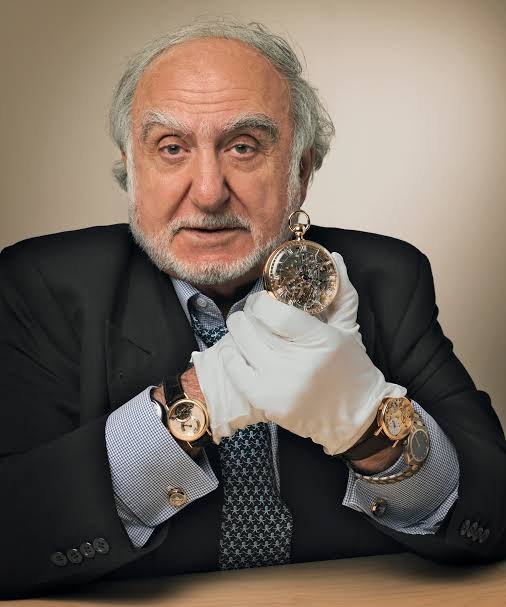
He used Swatch to attract everyday consumers while protecting premium brands such as:
- Omega
- Longines
- Breguet
- Blancpain
- Tissot
- Rado
Each brand maintained its own identity, target audience, and pricing strategy. This balanced approach allowed the company to serve both entry-level buyers and luxury collectors without damaging brand value.
Innovation Beyond Fashion
Nicolas Hayek believed innovation should never stop.
Under his leadership, the Swatch Group invested heavily in:
- Advanced manufacturing
- High-quality movements
- Research and development
- Precision engineering
- Sustainable production
- Luxury craftsmanship
The company also focused on vertical integration, producing many of its own components instead of relying on outside suppliers. This gave the group greater control over quality and costs.
Leadership Style
Hayek was known for his confidence, energy, and willingness to challenge conventional thinking.
He encouraged employees to think creatively and solve problems instead of following outdated business practices.
His leadership was based on several principles:
- Believe in long-term success.
- Invest during difficult times.
- Never stop innovating.
- Protect quality.
- Build strong brands instead of chasing short-term profits.
These ideas continue to influence business leaders around the world.’
A Lasting Global Impact
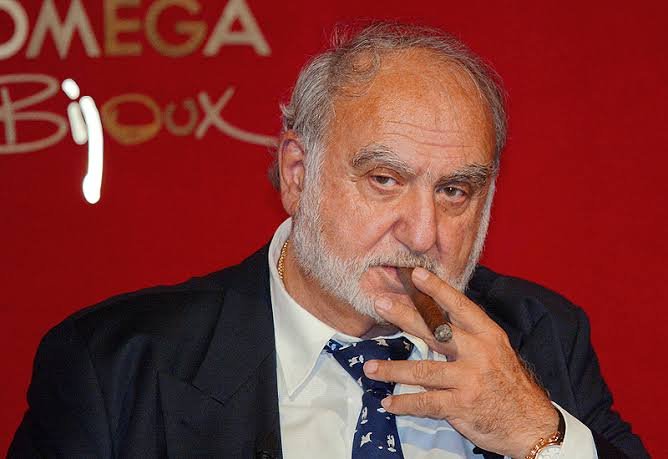
Thanks to Nicolas Hayek’s vision, Switzerland regained its position as the world’s leader in luxury watchmaking.
Today, the Swatch Group owns many of the most respected watch brands in the world and employs thousands of people across multiple countries.
His business transformation is now studied in universities, business schools, and leadership programs as one of the greatest corporate turnaround stories ever achieved.
Lessons Entrepreneurs Can Learn
Nicolas Hayek’s journey offers valuable lessons for every entrepreneur.
1. Every Crisis Creates Opportunity
Most people saw the Swiss watch industry as a lost cause. Hayek saw hidden potential.
2. Innovation Wins Markets
The Swatch watch proved that innovation does not always require expensive technology. Sometimes a simple idea changes everything.
3. Protect Your Brand
Hayek carefully separated affordable products from luxury brands, allowing each to grow without hurting the other.
4. Think Long Term
Instead of focusing only on immediate profits, he invested in manufacturing, quality, and brand reputation.
5. Great Leaders Inspire Confidence
During one of the industry’s darkest moments, Hayek gave employees, investors, and customers a reason to believe again.
Nicolas Hayek’s Legacy
Nicolas Hayek passed away on June 28, 2010, but his influence remains strong.
Today, Swiss watches continue to represent precision, innovation, and luxury around the world because one man believed the industry deserved another chance.
His story reminds us that true leadership is not about avoiding challenges—it is about finding solutions when everyone else has given up.
For entrepreneurs, business leaders, and innovators, Nicolas Hayek’s life is proof that bold thinking, resilience, and a clear vision can revive even an industry on the edge of collapse.
