


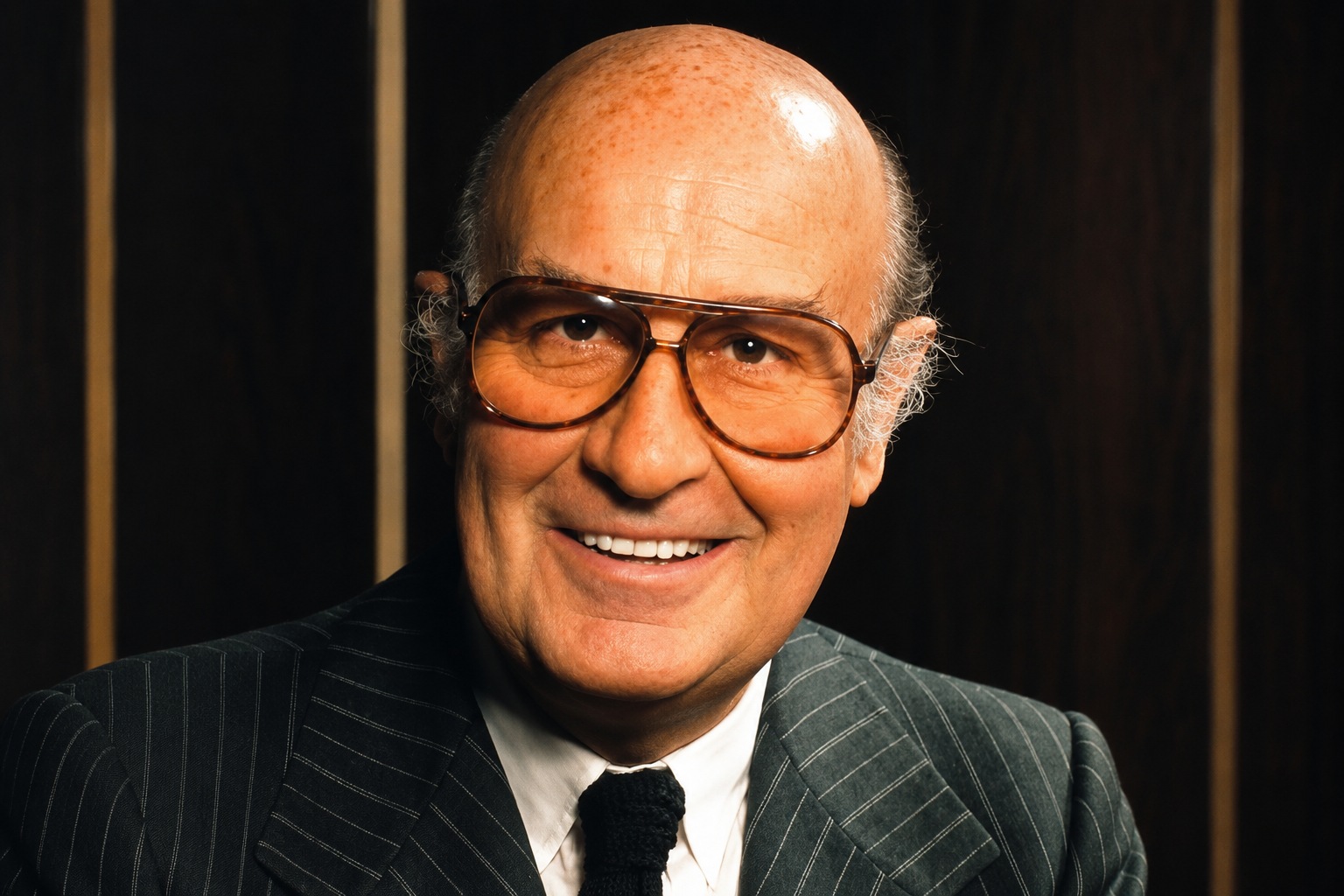
When people think of luxury watches, Rolex is often the first name that comes to mind. But have you ever wondered why you rarely see flashy Rolex advertisements compared to other luxury brands? The answer lies in the vision of André Heiniger, the man who helped shape Rolex into a global symbol of success, quality, and exclusivity.
Instead of relying on traditional advertising, André Heiniger believed that a strong reputation, exceptional craftsmanship, and customer trust would speak louder than expensive marketing campaigns. His strategy changed the luxury industry forever and remains one of the best branding lessons for businesses today.
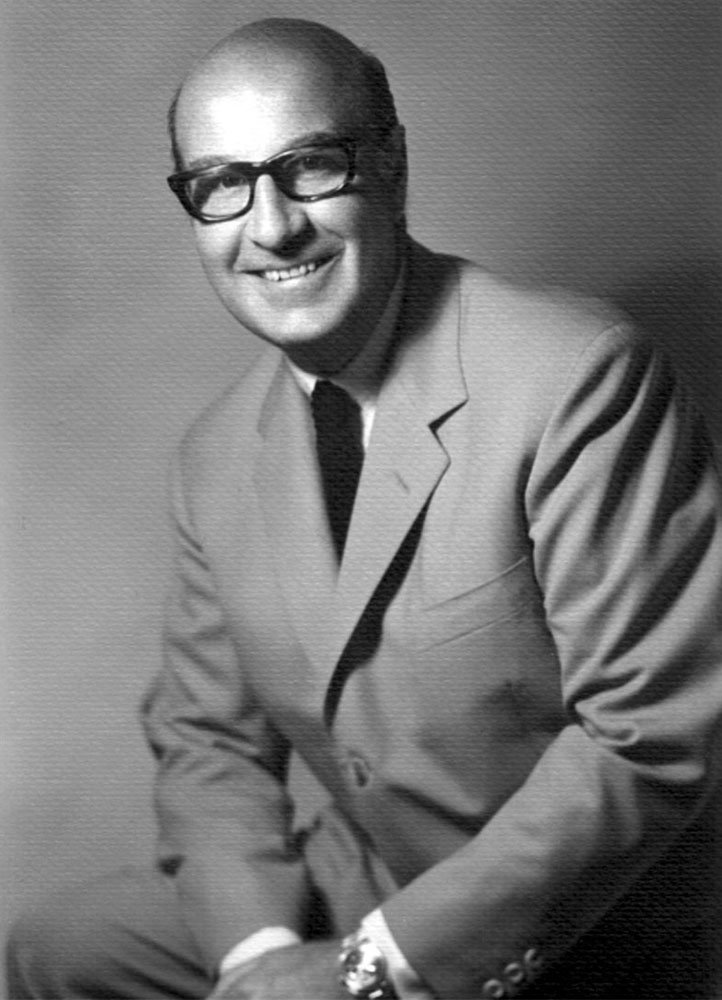
Who Was André Heiniger?
André Heiniger was the CEO of Rolex from the 1960s to the early 1990s. During his leadership, Rolex became one of the most valuable and recognizable luxury watch brands in the world.
Rather than chasing short-term sales, Heiniger focused on building a brand that represented achievement, excellence, and timeless value. His long-term thinking helped Rolex become a status symbol admired across generations.
Why Rolex Doesn’t Advertise Like Other Luxury Brands
Many companies spend millions on television commercials, online ads, and promotional discounts. Rolex took a different path.
Instead of constantly asking customers to buy, Rolex focused on creating desire. The company invested in quality, innovation, and experiences that naturally attracted attention.
This strategy made customers feel that owning a Rolex was not just about telling time—it was about celebrating personal success.
Building Prestige Instead of Popularity
André Heiniger understood an important branding principle: luxury products should feel exclusive.
Rolex carefully controlled its distribution, maintained high manufacturing standards, and rarely offered discounts. This helped protect the brand’s premium image.
When a product is not easily available, people often value it even more. This sense of exclusivity has become one of Rolex’s strongest competitive advantages.
Quality Became the Best Advertisement
Rolex watches are known for their precision, durability, and timeless design.
Instead of spending most of its budget on advertising, Rolex invested heavily in research, engineering, and strict quality control.
Satisfied customers became the brand’s biggest ambassadors. Recommendations from owners created trust that traditional advertisements often cannot achieve.
Smart Brand Partnerships
Although Rolex does advertise, it does so differently.
Rather than using aggressive promotional campaigns, the company partners with prestigious events and respected personalities.
Rolex is associated with:
- International tennis tournaments
- Golf championships
- Sailing competitions
- Classical music events
- Scientific exploration
These partnerships reinforce the brand’s values of excellence, performance, and achievement without appearing overly promotional.
Creating Emotional Value
People do not buy a Rolex simply because they need a watch.
They buy it to celebrate milestones such as:
- Career success
- Business achievements
- Weddings
- Retirement
- Personal accomplishments
André Heiniger understood that emotional connections create stronger brands than discounts or sales campaigns.
Lessons Businesses Can Learn from Rolex
Businesses of every size can learn valuable marketing lessons from André Heiniger’s strategy.
1. Focus on Quality
A great product naturally generates positive reviews and customer loyalty.
2. Build Trust
Customers return to brands they trust. Transparency and consistency are more valuable than short-term promotions.
3. Think Long-Term
Instead of chasing quick sales, invest in building a reputation that lasts for decades.
4. Protect Your Brand Value
Avoid unnecessary discounts that may reduce your brand’s perceived value.
5. Tell a Story
People connect with stories more than advertisements. Share your mission, values, and customer success stories.
Why This Strategy Still Works Today
In today’s digital world, consumers are surrounded by thousands of advertisements every day. Many people ignore traditional ads and instead trust recommendations, reviews, and authentic brand experiences.
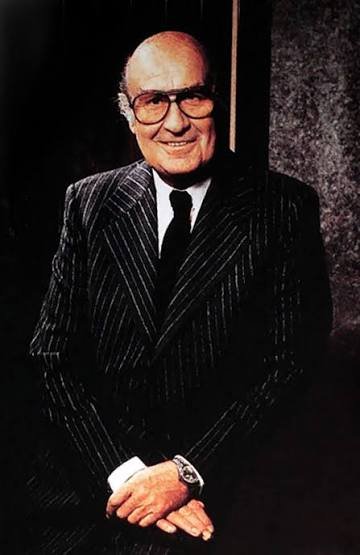
Rolex continues to stand out because its reputation has been carefully built over many decades. André Heiniger proved that strong branding is not about being the loudest—it is about being the most trusted.
His leadership shows that investing in quality, consistency, and customer experience can create a brand that people admire without relying on constant advertising.
Conclusion
André Heiniger changed the way luxury brands think about marketing. Instead of competing through endless advertisements, he built Rolex around excellence, trust, exclusivity, and timeless craftsmanship.
Today, Rolex remains one of the world’s most respected luxury brands because it sells more than watches—it sells confidence, achievement, and legacy. Businesses looking to build lasting success can learn an important lesson from Heiniger: the strongest brand is often the one that lets its quality speak for itself.
