


The world of superyachts is changing as a new generation of designers brings fresh ideas, advanced technology, and modern luxury to the industry. Superyachts are no longer just large boats for wealthy owners. They are becoming floating homes, private wellness spaces, and examples of innovative engineering and sustainable design.
The new generation of superyacht designers is focused on creating vessels that combine beauty, comfort, performance, and environmental responsibility. From minimalist interiors to futuristic exterior shapes, these designers are changing how people experience life at sea.
In this article, we explore who the new generation of superyacht designers are, what inspires their work, and how they are shaping the future of luxury yachting.
What Is a Superyacht Designer?
A superyacht designer is a professional who helps plan the appearance, layout, and overall experience of a luxury yacht. Their work may include exterior styling, interior design, space planning, furniture selection, and collaboration with naval architects and marine engineers.
Superyacht design is different from designing an ordinary home or commercial building. Designers must consider the movement of the sea, available space, safety requirements, weight limits, and the technical needs of a vessel.
A successful design must look beautiful while also working well in real conditions. Every room, staircase, window, and outdoor area needs careful planning.
How the New Generation Is Changing Yacht Design
The new generation of superyacht designers is moving beyond traditional ideas of luxury. Instead of focusing only on gold finishes, expensive materials, and grand interiors, many contemporary concepts emphasize comfort, personal experiences, and intelligent use of space.
1. Modern and Minimalist Interiors
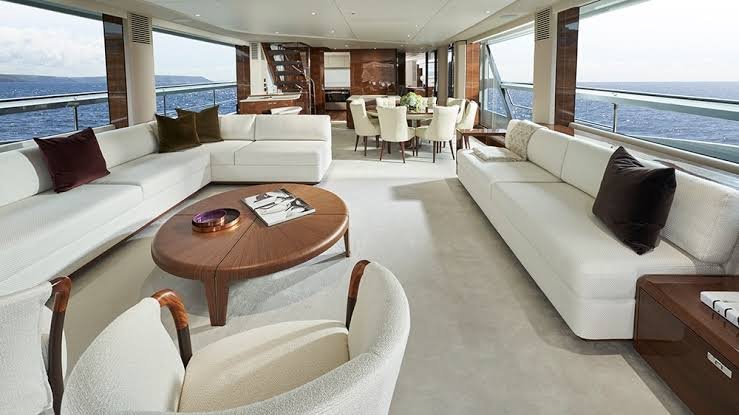
Minimalism is becoming an important influence in luxury yacht interiors. Designers increasingly explore clean lines, natural textures, open spaces, and soft color palettes.
Wood, stone, glass, and carefully selected fabrics can create a calm atmosphere. Large windows and skylights help connect interior spaces with the ocean.
Rather than making every room look formal, designers aim to create environments that feel welcoming and comfortable. Owners can enjoy private lounges, peaceful bedrooms, and social spaces designed for entertaining guests.
2. A Strong Connection With Nature
The sea is the main attraction of a yacht, so modern designers are finding creative ways to bring the surrounding environment into the experience.
Floor-to-ceiling windows, panoramic observation areas, outdoor dining spaces, and beach clubs close to the water help passengers feel connected to the ocean.
Some contemporary designs also explore folding balconies, glass-bottom features, and flexible deck layouts. These features can make a yacht feel more open and create new ways to enjoy the natural surroundings.
The goal is to make the ocean an essential part of the design rather than simply a view outside the window.
3. Technology and Smart Living
Technology is another major influence on the future of superyacht design. Smart systems can help control lighting, temperature, entertainment, window coverings, and other onboard features.
Advanced navigation systems and modern communication technology also improve the vessel’s operation and connectivity.
Designers must work closely with engineers to integrate these systems without making the yacht feel complicated or overcrowded. Technology should improve the owner’s experience while remaining easy to use.
Future yacht concepts may also explore greater automation, improved energy management, and new propulsion technologies as these systems develop.
Sustainability Is Becoming More Important
Environmental responsibility is an increasingly important subject in the superyacht industry. Large yachts consume significant amounts of energy, so designers and engineers are exploring ways to reduce their environmental impact.
Some approaches include hybrid propulsion, more efficient hull designs, energy-saving lighting, improved insulation, and better onboard energy management.
Solar panels may support selected onboard systems, depending on the vessel’s size and energy requirements. However, solar power alone is generally not enough to operate a large superyacht.
Designers are also considering durable materials and interiors that can remain attractive for many years. Longer-lasting products can reduce the need for frequent replacement and unnecessary waste.
Sustainable yacht design remains a developing field, and the practical benefits of each technology depend on the vessel, its intended use, and its operating conditions.
The Rise of Personalized Luxury
Modern luxury is increasingly about personal experiences rather than simply owning expensive objects.
Superyacht owners may want private gyms, wellness rooms, spas, cinemas, art collections, swimming pools, or dedicated spaces for family activities. Others may prefer adventure-focused vessels with equipment for diving, exploring remote destinations, and carrying smaller watercraft.
The new generation of designers must understand how owners plan to use their yachts before developing the layout.
For example, a yacht designed for family holidays may require flexible living spaces and child-friendly areas. A yacht intended for entertaining guests may prioritize large dining rooms, outdoor lounges, and impressive social spaces.
This personalized approach makes every project different. Designers must balance the owner’s vision with practical requirements, safety, and technical limitations.
The Role of Naval Architects and Engineering Teams
Although yacht designers influence the vessel’s appearance and atmosphere, they do not work alone. Naval architects, marine engineers, shipyards, and specialist manufacturers all play important roles in bringing a concept to life.
Naval architects help ensure that the vessel has appropriate stability, hydrodynamic performance, and structural design. Engineers work on propulsion, electrical systems, ventilation, and other technical elements.
Interior and exterior designers collaborate with these specialists to make sure the creative vision can be built safely and efficiently.
This teamwork is especially important because even a small design change can affect a yacht’s weight, balance, construction cost, or available space.
What Challenges Do Young Superyacht Designers Face?
The superyacht industry offers exciting opportunities, but it also presents demanding challenges.
First, projects can take several years from the initial concept to completion. Designers must be patient and able to manage complex development processes.
Second, owners often expect exceptional quality and highly personalized results. Meeting these expectations requires creativity, technical knowledge, and attention to detail.
Third, designers must keep up with new materials, digital design tools, changing environmental expectations, and advances in marine technology.
Building professional relationships with shipyards, suppliers, engineers, and clients is equally important. Experience and collaboration help young designers turn ambitious ideas into practical designs.
What Does the Future Hold for Superyacht Design?
The future of superyacht design will likely combine advanced engineering with a stronger focus on personal comfort and responsible resource use.
Hybrid propulsion and other lower-emission technologies may become more common where they suit the vessel’s requirements. Digital modeling tools can help teams evaluate designs before construction begins, while smart onboard systems may make yacht operation more efficient.
Designers may also explore flexible interiors, multipurpose rooms, improved access to the water, and layouts that make better use of every available space.
However, innovation must always be balanced with safety, reliability, cost, and real-world performance. The most successful designs will be those that deliver a memorable experience without sacrificing practicality.
Conclusion
The new generation of superyacht designers is reshaping the meaning of luxury at sea. Their work combines modern architecture, thoughtful interiors, advanced technology, and growing interest in sustainability.
From minimalist living spaces to personalized wellness areas, today’s design concepts reflect changing expectations among luxury yacht owners.
The future of the industry will depend on creative thinking and close collaboration between designers, naval architects, engineers, and shipbuilders. As new technologies develop, superyachts may become more comfortable, efficient, and connected to their surroundings.
Ultimately, the next generation of superyacht designers is not simply creating beautiful vessels. It is rethinking how people live, travel, and experience the ocean.
