



When people talk about the most influential car designers in history, one name always stands out—Chris Bangle. He is famous for creating some of the most controversial BMW designs ever made. At first, many people criticized his work. Car lovers, journalists, and even loyal BMW fans believed he had ruined the brand.
But years later, many of the same design ideas became industry standards. Today, almost every major car manufacturer uses styling elements that were once heavily criticized.
So, who is Chris Bangle, and why did his designs change the automotive world forever?
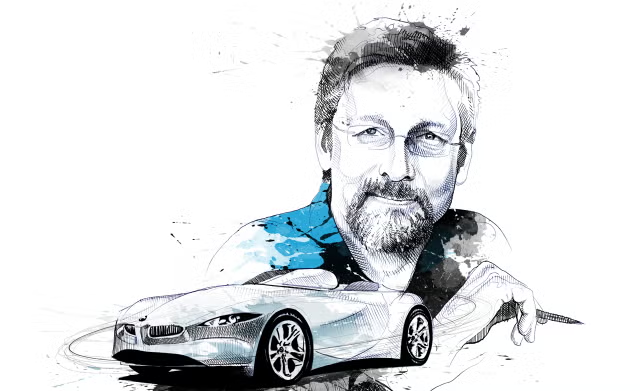
Who Is Chris Bangle?
Chris Bangle is an American automobile designer best known for serving as BMW Group’s Chief of Design from 1992 to 2009. During his leadership, he supervised the design of BMW, MINI, and Rolls-Royce vehicles.
Instead of making small improvements, Bangle wanted to redefine how luxury cars looked. He believed that cars should create emotions, start conversations, and stand out from competitors.
His bold vision made him one of the most discussed designers in automotive history.
Chris Bangle’s Early Career
Chris Bangle was born in the United States and studied industrial design before entering the automotive industry.
Before joining BMW, he worked with Fiat, where he helped design several successful vehicles.
In 1992, BMW hired him to lead its global design team. This marked the beginning of one of the most transformative periods in the company’s history.
A New Vision for BMW Design
Before Chris Bangle arrived, BMW vehicles followed a predictable design language. Most models looked like refined versions of their predecessors.
Bangle believed that the future required something different.
His design philosophy focused on:
- Bold body shapes
- Strong character lines
- Dynamic proportions
- Emotional styling
- Modern luxury
- Distinctive road presence
He wanted every BMW to have its own personality rather than simply blending into traffic.
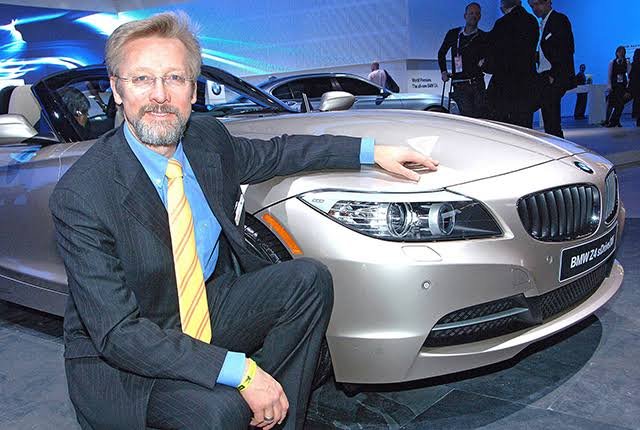
The Birth of “Flame Surfacing”
One of Chris Bangle’s biggest innovations was a design concept called Flame Surfacing.
Instead of using flat and simple body panels, he introduced flowing curves combined with sharp lines.
This created cars that looked alive even when parked.
Although many people disliked the idea initially, Flame Surfacing later became a common design trend across the automotive industry.
The BMW 7 Series Controversy
The launch of the BMW 7 Series (E65) in 2001 became one of the biggest moments of Chris Bangle’s career.
The car featured:
- A completely redesigned body
- A larger front grille
- Unusual headlights
- A high rear trunk design
- Advanced technology inside the cabin
Many critics called the design ugly.
The rear of the car became so controversial that people nicknamed it the “Bangle Butt.”
Despite the criticism, the vehicle sold well and introduced several technologies that later became standard in luxury cars.
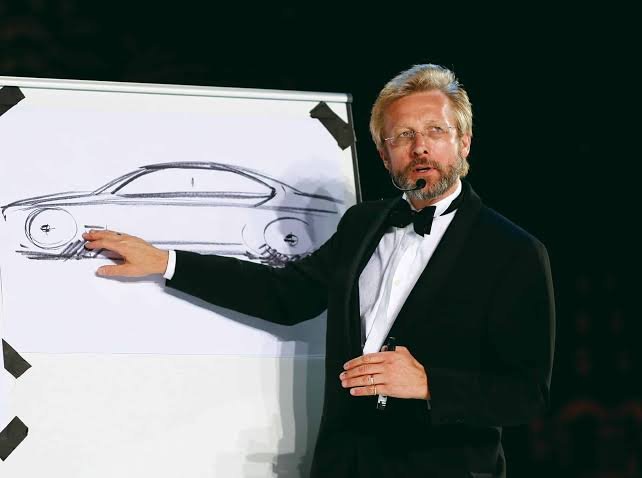
Changing the Luxury Car Industry
Chris Bangle did more than redesign BMW.
He changed how luxury cars were developed.
His influence encouraged manufacturers to move away from conservative designs and create vehicles with stronger identities.
Brands around the world began adopting:
- Sculpted bodywork
- Larger grilles
- More expressive lighting
- Aggressive proportions
- Emotional styling
What was once considered risky eventually became mainstream.
Cars Designed During Chris Bangle’s Era
Some of the most memorable vehicles from his leadership include:
- BMW 7 Series (E65)
- BMW 5 Series (E60)
- BMW Z4
- BMW X3
- BMW X5
- MINI Cooper redesign
- Rolls-Royce Phantom (modern generation)
Many of these vehicles remain iconic today.

Why People Changed Their Opinion
When these cars first appeared, many people struggled to accept such dramatic changes.
Over time, however, opinions shifted.
Drivers realized that these designs looked modern even years after their release. Many competitors began copying similar design ideas.
Today, many automotive experts view Chris Bangle as a visionary rather than a controversial designer.
His work proved that innovation often faces resistance before it earns appreciation.
Chris Bangle’s Design Philosophy
Chris Bangle believed that good design should create emotion.
Instead of designing cars that everyone liked immediately, he preferred creating vehicles that people remembered.
His philosophy included:
- Challenge traditional thinking
- Inspire conversation
- Build emotional connections
- Focus on long-term design value
- Push creative boundaries
This approach continues to influence automotive designers around the world.
Chris Bangle’s Lasting Legacy
Even after leaving BMW in 2009, Chris Bangle’s influence remained strong.
Many modern vehicles feature design elements inspired by his ideas.
His willingness to take creative risks changed not only BMW but also the global automotive industry.
Today, his work is studied by designers, engineers, and automotive enthusiasts who want to understand how bold innovation can reshape an entire market.
Why Chris Bangle Still Matters Today
Modern electric vehicles, luxury SUVs, and performance cars all show signs of design evolution that can be traced back to Chris Bangle’s era.
His work demonstrated that successful design is not about pleasing everyone immediately. Instead, it is about creating ideas that influence the future.
While his BMW designs were once among the most criticized in history, many are now respected as groundbreaking achievements.
Chris Bangle reminds us that true innovation often begins with controversy—but ends with lasting influence.
Conclusion
Chris Bangle transformed BMW during one of the company’s most important periods. His bold design language challenged traditional automotive styling and sparked debates across the world. Although many people initially rejected his work, history has shown that many of his ideas were ahead of their time.
Today, designers across the automotive industry continue to use concepts that Chris Bangle introduced years ago. His legacy proves that great innovation is rarely accepted immediately—but it often shapes the future for everyone else.
