


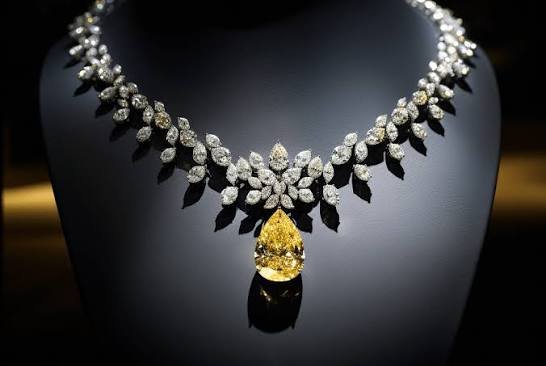
A necklace worth $10 million may sound unbelievable to most people. After all, a necklace is small enough to wear around your neck. So why can a single piece of high jewelry cost as much as a luxury home, private jet, or even a large business?
The answer is simple: high jewelry is not priced only for its gold or diamonds. Its value comes from a rare combination of exceptional gemstones, craftsmanship, design, history, brand reputation, and exclusivity.
Welcome to the world of the $10 Million Necklace Club, where jewelry becomes more than a fashion accessory—it becomes art, investment, and a symbol of extraordinary wealth.
What Is High Jewelry?
High jewelry, also known as haute joaillerie, represents the highest level of luxury jewelry.
Unlike ordinary fine jewelry, high jewelry usually uses exceptionally rare gemstones and is made in extremely limited quantities. Many pieces are handcrafted by expert jewelers who may spend hundreds or thousands of hours creating a single necklace.
Major luxury houses such as Cartier, Bulgari, Van Cleef & Arpels, Harry Winston, and Graff have created some of the world’s most expensive jewelry.
These pieces are often designed around one exceptional gemstone, such as a large diamond, emerald, ruby, or sapphire.
Why Can a Necklace Cost $10 Million?
1. Rare and Exceptional Gemstones
The biggest reason behind a multimillion-dollar necklace is often the gemstone.
Not all diamonds, emeralds, or rubies are equal. A gemstone’s value depends on factors such as size, color, clarity, cut, origin, and rarity.
A large diamond with excellent color and clarity can be extraordinarily valuable. Some colored diamonds, particularly vivid pink, blue, and red diamonds, are among the rarest gemstones on Earth.
A necklace containing one exceptional stone can therefore reach millions of dollars before the craftsmanship is even considered.
2. The Famous 4Cs of Diamonds
For diamond jewelry, the traditional **4Cs—cut, color, clarity, and carat weight—**play an important role.
A larger diamond is not automatically more valuable. A smaller diamond with exceptional color and clarity can be worth more than a larger stone of lower quality.
At the highest level of jewelry, even tiny differences in a gemstone’s quality can mean millions of dollars in value.
3. Extraordinary Craftsmanship
High jewelry is usually made by highly skilled artisans.
Creating a complicated necklace can require hundreds or thousands of hours of work. Stones must be carefully selected, cut, polished, and set into a precise design.
The metal framework must also be strong enough to hold valuable gemstones while remaining elegant and comfortable to wear.
Some luxury jewelry houses continue traditional handcrafting techniques that have been developed over generations.
This level of craftsmanship adds significant value to the finished piece.
4. Design and Artistic Creativity
A $10 million necklace is not simply a collection of expensive stones.
The design itself can be considered a work of art.
Jewelry designers carefully consider how gemstones interact with light, movement, color, and the human body. A necklace may be inspired by nature, architecture, royal history, or an important cultural idea.
When a design becomes iconic, its artistic value can increase far beyond the raw value of its materials.
5. Luxury Brand Reputation
The name behind a piece also matters.
A necklace created by a globally recognized jewelry house can command a significant premium because buyers are purchasing more than gemstones. They are also purchasing the brand’s heritage, craftsmanship, reputation, and exclusivity.
A famous jewelry house may have decades or even centuries of history.
For collectors, owning a piece from such a house can be similar to owning a famous work of art.
6. Rarity and Exclusivity
High jewelry is intentionally rare.
Luxury brands may produce only one version of a particular necklace. Sometimes the centerpiece gemstone is so unique that another identical piece could never be created.
This scarcity creates demand among wealthy collectors.
The basic rule of luxury applies strongly here: when something is extremely rare and highly desirable, its price can rise dramatically.
7. History and Provenance
A necklace can become even more valuable if it has an interesting history.
Jewelry previously owned by royalty, celebrities, wealthy collectors, or historical figures can attract enormous interest.
The story behind a piece can become part of its value.
For example, a necklace associated with a famous royal family may be worth much more than another necklace containing similar gemstones because collectors are also buying its history.
What Is the Most Expensive Necklace?
Some of the world’s most expensive necklaces have been valued at tens of millions of dollars.
One famous example is the L’Incomparable Diamond Necklace, created around an extraordinary yellow diamond weighing more than 400 carats. Its centerpiece is considered one of the most remarkable diamonds ever discovered.
Other famous high-jewelry necklaces have featured exceptional blue diamonds, emeralds, rubies, and rare natural pearls.
However, prices can vary depending on whether a piece is being sold at auction, privately valued, or insured.
Is High Jewelry an Investment?
High jewelry can hold or increase its value, but it should not automatically be considered a guaranteed investment.
The strongest pieces tend to have a combination of rare gemstones, exceptional craftsmanship, famous provenance, and strong brand recognition.
Auction results can also influence market perception.
However, jewelry prices can change based on fashion, collector demand, economic conditions, gemstone markets, and the reputation of the designer or brand.
For most buyers, high jewelry is better viewed as a combination of art, luxury, collecting, and wealth preservation rather than a simple financial investment.
Why Do People Buy $10 Million Necklaces?
People who purchase extremely expensive jewelry are often looking for more than personal decoration.
A rare necklace can represent:
- Wealth and status
- Artistic appreciation
- Personal collection
- Family heritage
- Investment diversification
- Historical significance
- Exclusivity
For some collectors, owning an extraordinary necklace is similar to owning a rare painting or sculpture.
The Future of the $10 Million Necklace Club
The market for high jewelry continues to attract wealthy collectors around the world.
As exceptional gemstones become harder to find, truly rare stones may become even more desirable.
At the same time, modern buyers are becoming increasingly interested in gemstone origins, responsible sourcing, craftsmanship, and the story behind luxury pieces.
The future of high jewelry may therefore combine extreme rarity with sustainability, technology, heritage, and modern design.
Final Thoughts
The price of a $10 million necklace cannot be explained by gold and diamonds alone.
Its value comes from a combination of rare gemstones, expert craftsmanship, artistic design, brand heritage, scarcity, and sometimes extraordinary history.
That is what separates high jewelry from ordinary luxury jewelry.
For members of the $10 Million Necklace Club, the necklace is not simply something to wear. It can be a masterpiece, a collectible, a family heirloom, and a symbol of extraordinary rarity—all at the same time.
