



Sam Walton was one of the greatest business leaders in American history. He is best known as the founder of Walmart, the world’s largest retail company. His journey from owning a small variety store to building a global retail empire is an inspiring story of hard work, innovation, and customer-focused thinking.
In this article, you’ll learn about Sam Walton’s early life, career, business strategies, achievements, and the lasting impact he made on the retail industry.
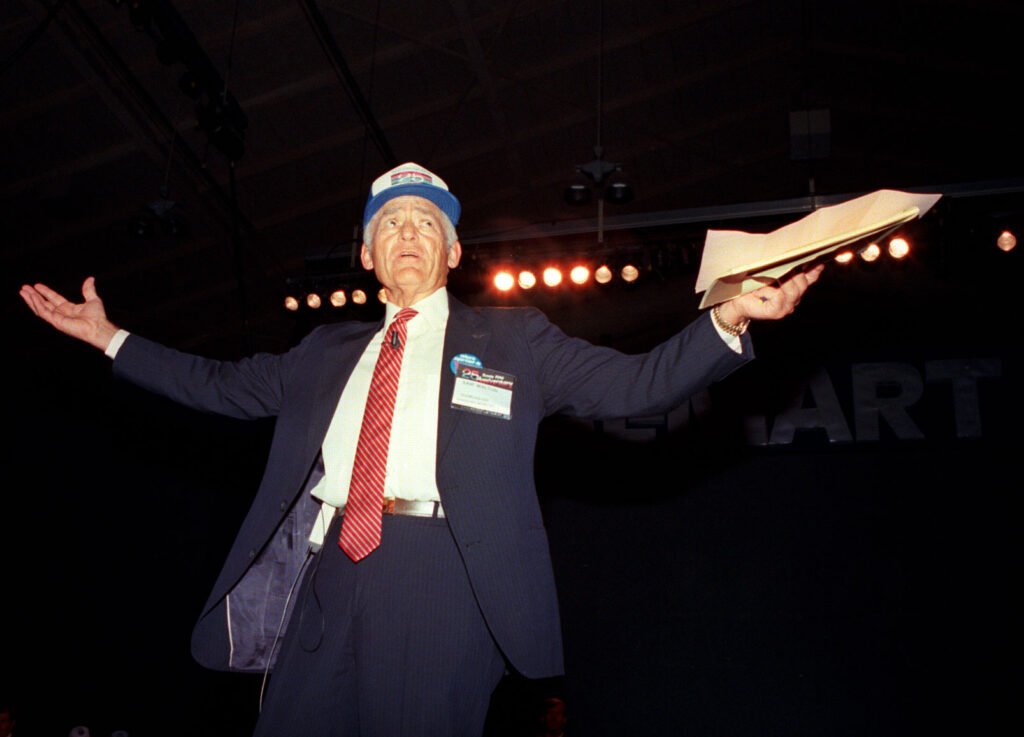
Who Was Sam Walton?
Sam Walton was an American businessman and entrepreneur who founded Walmart in 1962. He believed that every customer deserved quality products at the lowest possible prices. His simple but powerful business idea changed the retail industry forever.
Today, Walmart operates thousands of stores worldwide and serves millions of customers every day. Although Sam Walton passed away in 1992, his vision continues to shape the company and inspire entrepreneurs around the world.
Early Life and Education
Sam Walton was born on March 29, 1918, in Kingfisher, Oklahoma, USA. He grew up during the Great Depression, which taught him the value of hard work and saving money.
As a child, he delivered newspapers, milked cows, and worked on different small jobs to support his family. These early experiences helped him develop a strong work ethic.
He attended the University of Missouri, where he earned a degree in Economics in 1940. During college, he actively participated in student organizations and developed leadership skills that later helped him in business.
The Beginning of His Business Journey
After graduating, Sam Walton worked briefly for a retail company before serving in the U.S. Army during World War II.
After the war, he purchased a small Ben Franklin variety store in Arkansas. Instead of following traditional retail methods, he experimented with new ideas to attract more customers. He focused on offering lower prices, better customer service, and a wider selection of products.
His innovative approach quickly increased sales and gave him the confidence to expand.
The Birth of Walmart
In 1962, Sam Walton opened the first Walmart store in Rogers, Arkansas.
Unlike many retailers at the time, he chose to build stores in small towns instead of large cities. Many experts believed this strategy would fail, but Sam Walton saw an opportunity where others did not.
His goal was simple:
- Sell quality products
- Keep prices as low as possible
- Make shopping convenient
- Treat every customer with respect
This customer-first approach became the foundation of Walmart’s success.
Business Strategies That Made Walmart Successful
1. Everyday Low Prices
Sam Walton believed customers should not have to wait for sales to save money. Walmart introduced the concept of “Everyday Low Prices,” making affordable shopping available throughout the year.
2. Customer Comes First
He often visited stores, talked directly with customers, and listened to their feedback. This helped Walmart continuously improve its products and services.
3. Efficient Supply Chain
Sam Walton invested heavily in distribution centers, inventory management, and logistics. These improvements reduced costs and allowed Walmart to keep prices lower than many competitors.
4. Technology and Innovation
He was one of the first retail leaders to use computer systems and data analysis to manage inventory and understand customer demand. This gave Walmart a significant competitive advantage.
5. Strong Company Culture
Sam Walton believed employees were partners in the company’s success. He encouraged teamwork, rewarded good performance, and motivated employees to provide excellent customer service.

Challenges Along the Way
Building the world’s largest retail company was not easy.
Sam Walton faced competition from established retailers, economic challenges, and the difficulty of managing rapid expansion.
However, he remained focused on his mission of helping customers save money. His willingness to adapt and improve allowed Walmart to continue growing year after year.
Major Achievements
Sam Walton achieved many remarkable milestones during his career.
Some of his greatest accomplishments include:
- Founded Walmart in 1962.
- Expanded from one store to hundreds of locations during his lifetime.
- Revolutionized modern retail with efficient supply chain management.
- Introduced affordable shopping for millions of families.
- Built one of the largest private employers in the world.
- Received the Presidential Medal of Freedom in 1992 for his contributions to American business.
Sam Walton’s Leadership Style
Sam Walton believed great leaders should stay connected with employees and customers.
He regularly visited stores, asked questions, listened carefully, and encouraged new ideas from everyone. He never considered himself above learning from others.
His leadership was based on humility, discipline, continuous improvement, and long-term thinking. These qualities continue to inspire business owners, managers, and entrepreneurs worldwide.
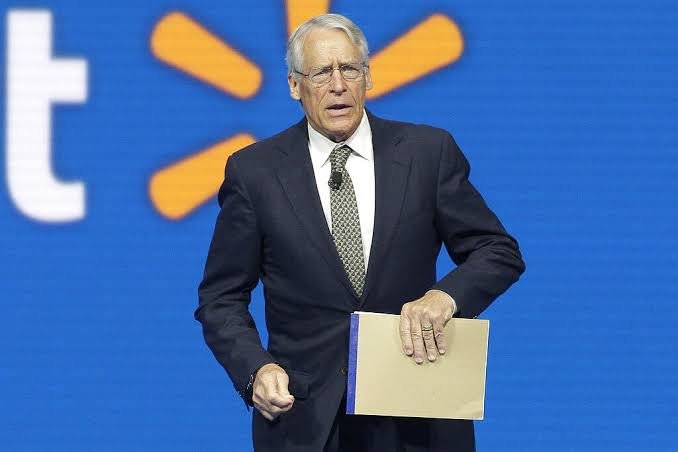
Sam Walton’s Legacy
Sam Walton’s influence extends far beyond Walmart.
His business philosophy changed how retailers manage pricing, inventory, customer service, and supply chains. Many global companies have adopted similar strategies because of his success.
Today, Walmart operates thousands of stores across multiple countries and serves millions of customers every week. The company’s continued growth reflects the strength of the principles Sam Walton established decades ago.
His story proves that a simple idea, combined with determination and customer focus, can transform an entire industry.
Conclusion
Sam Walton’s success story is one of vision, hard work, and innovation. Starting with a small retail store, he built Walmart into the world’s largest retail empire by focusing on low prices, excellent customer service, and efficient operations.
His life teaches valuable lessons about leadership, perseverance, and putting customers first. Whether you are an entrepreneur, business student, or simply interested in inspiring success stories, Sam Walton’s journey offers timeless insights that remain relevant today.
