


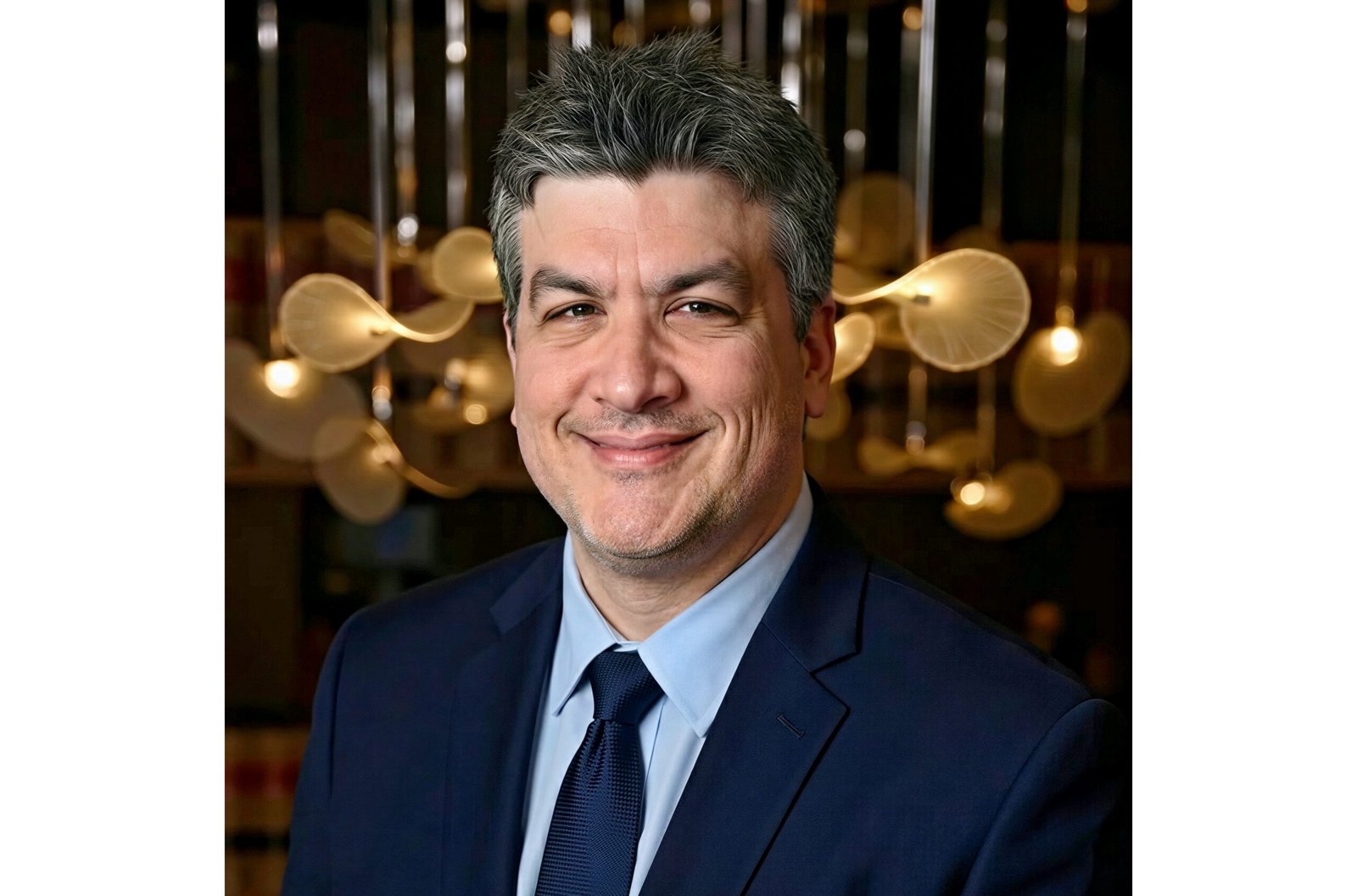
Through Matthew Fornaro, P.A. d/b/a Fornaro Legal, the South Florida attorney helps business owners understand risk, resolve disputes, and make informed decisions.
Building a business law practice around entrepreneurs requires more than knowing the law. It requires understanding why a contract matters to the company, what is at stake when a business relationship breaks down, and how legal risk fits into the larger decisions an owner has to make. That practical intersection between law and business has shaped Matthew Fornaro’s career for more than two decades.
Matthew Fornaro, P.A., doing business as Fornaro Legal, is an AV Preeminent rated business litigation and transactional law firm based in Coral Springs, Florida. Fornaro founded the firm in 2015 after practicing law since 2003. The practice serves entrepreneurs, startups, executives, investors, small and midsize businesses, and established companies throughout South Florida, including Broward, Palm Beach, and Miami-Dade Counties.
The firm’s work includes business litigation, contract drafting and disputes, business formation, business transactions, intellectual property matters, ownership and partner disputes, arbitration, mediation, construction litigation, and related commercial conflicts. Fornaro is admitted to practice in Florida, New York, the District of Columbia, and before the U.S. Supreme Court.
For Fornaro, the connection between business and law began well before he entered the profession. His father was a successful small business owner, giving him an early look at entrepreneurship from the owner’s side. He saw that decisions involving employees, customers, money, relationships, and risk rarely fit into neat categories. A business decision can be financially sound but legally risky, or legally cautious but commercially impractical.
His interest in dispute resolution developed just as early. As a child, he watched The People’s Court and became fascinated by how disagreements could be reduced to facts, rules, credibility, and ultimately a decision. That curiosity later became a professional interest in litigation, negotiation, mediation, and arbitration.
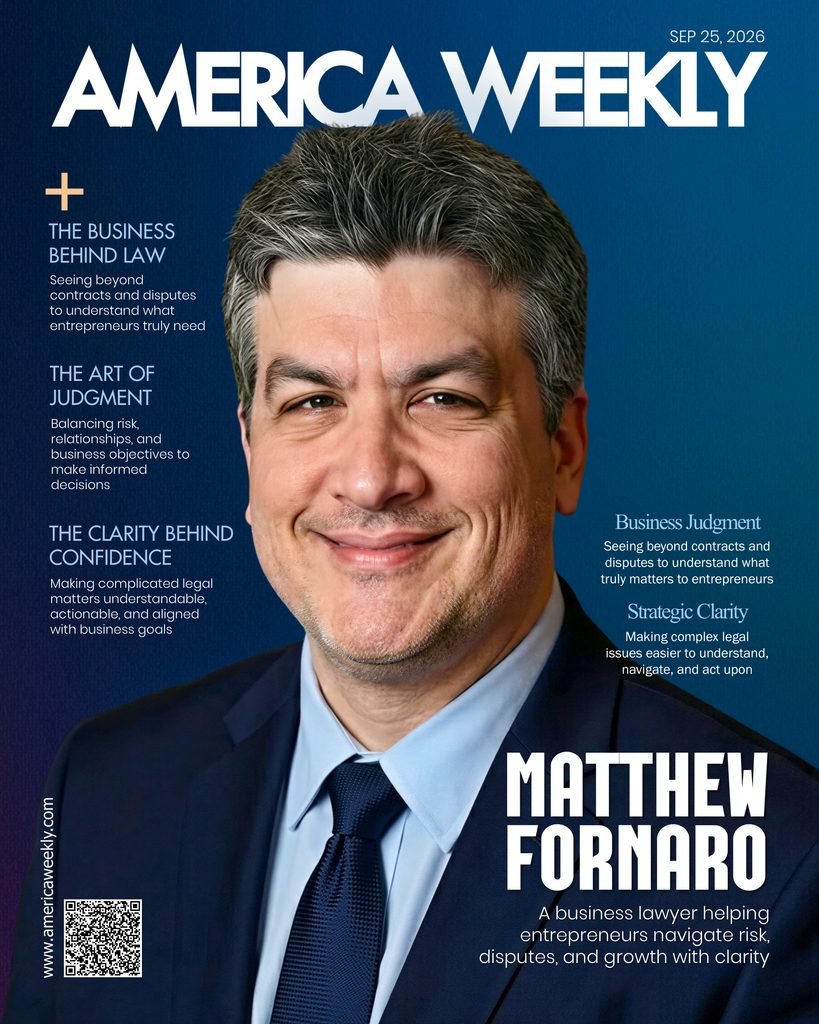
After law school, Fornaro began his legal career in larger law firm environments, including Greenspoon Marder and Shutts & Bowen. Those experiences exposed him to complex matters and taught him the importance of preparation, teamwork, systems, and disciplined legal analysis. They also helped him identify a gap in the market. Many entrepreneurs and smaller companies needed sophisticated business counsel, but they did not necessarily want the structure or distance of a large firm.
That realization eventually led to the creation of Matthew Fornaro, P.A. in 2015. The objective was not simply to build a smaller law firm. It was to create a practice where the legal analysis stayed connected to the underlying business problem
That distinction still guides Fornaro’s work. Before deciding what a contract should say or how aggressively a dispute should be handled, he tries to understand what the client is actually trying to accomplish. What relationship is the client trying to preserve? What risk can the business tolerate? What happens if the deal fails? What does winning really mean from the owner’s perspective?
Owning his own law firm has reinforced that approach. Running a business means making decisions with incomplete information, limited time, competing priorities, and some unavoidable degree of risk. Fornaro does not believe the goal of legal counsel should be to eliminate every possible risk. The better objective is to identify the risks that matter, reduce the ones that can reasonably be controlled, and help the client make an informed decision about the rest.
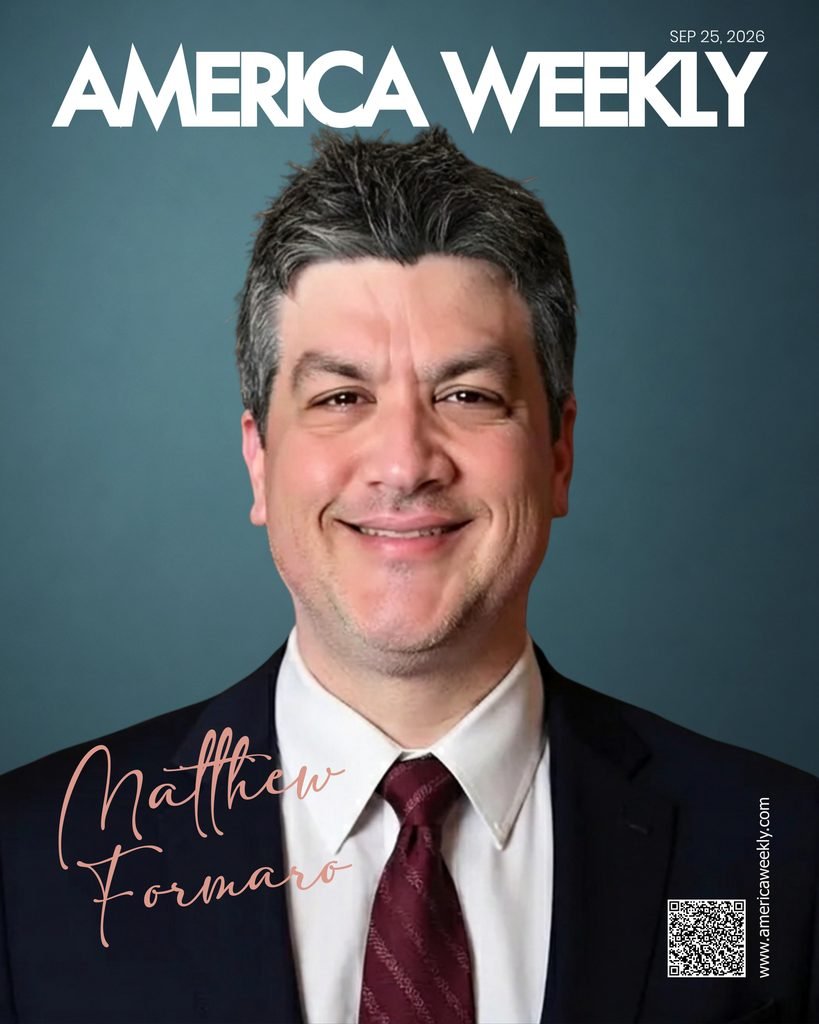
His litigation background also influences how he approaches transactions. Lawyers who regularly see agreements break down develop a different appreciation for the provisions that matter after the relationship stops going well. Payment terms, authority, termination rights, notice requirements, confidentiality, intellectual property ownership, indemnification, and dispute resolution may look routine when a deal is signed. Their importance becomes clearer when performance is questioned or money is owed.
At the same time, Fornaro has never viewed aggressiveness as an end in itself. A business client may need litigation, but another client may be better served by a negotiated resolution, mediation, arbitration, a carefully structured demand, or a practical contract revision. The strategy should fit the problem and the client’s objective.
Over the years, Fornaro’s work has expanded beyond representing clients in individual matters. Teaching, mentoring, writing, media appearances, and podcasts have become additional ways to help entrepreneurs understand legal issues before they become expensive distractions. His involvement with entrepreneurial education, including the Kauffman Foundation’s FastTrac NewVenture Program and the Jim Moran Institute, has also kept him close to the questions founders are asking as business models and technology continue to change.
His recent admission to the New York Bar represents another stage in the development of the practice. South Florida continues to attract entrepreneurs, investors, executives, and professionals with longstanding business ties to New York. Many do not leave one market when they enter the other. A Florida resident may still own a New York company, while a New York business may be expanding operations or investments into South Florida.
Fornaro’s admissions in both states allow the practice to continue developing around that overlap. The focus is not simply geography. It is serving business owners whose companies, investments, contracts, and relationships increasingly cross state lines.
Technology is creating another layer of change. Artificial intelligence, automation, remote work, digital platforms, and new ways of communicating with customers are forcing businesses to revisit familiar legal questions in unfamiliar settings. Who has authority to make a promise for the company? What information may be shared with an AI tool? Who owns work created through a combination of employees, contractors, software, and automated systems? What happens when public-facing technology says something that the company’s contract does not?
For Fornaro, many of these are not entirely new legal problems. They are new versions of longstanding business issues involving contracts, confidentiality, intellectual property, authority, representations, and risk allocation. The challenge is translating those issues into something business owners can understand and act on.
That same philosophy shapes how he thinks about leadership. Preparation, credibility, responsiveness, and direct communication matter. A client should know what is happening, what the realistic choices are, and what the next step is. Legal matters may be complicated, but the advice should not be.
Fornaro also places significant weight on reputation. Credibility with clients, opposing counsel, judges, and the business community takes years to build and can be lost quickly. He tries to be direct without being unnecessarily combative, strategic without losing perspective, and aggressive when the facts and the client’s interests actually require it.
Looking ahead, Matthew Fornaro, P.A. d/b/a Fornaro Legal is focused on growth without losing the practical approach that has defined the firm since 2015. Fornaro plans to continue serving entrepreneurs, startups, executives, investors, and established companies throughout South Florida while further developing the New York and Florida side of the practice.
He also expects education and public commentary to remain part of that growth. Business law will continue changing alongside technology, interstate commerce, new ownership structures, and new forms of customer interaction. For Fornaro, the goal is not merely to keep up with those developments. It is to make them useful to the people actually running businesses.
The long-term objective is straightforward: build a responsive, strategic business law practice that understands how entrepreneurs operate, what they are trying to protect, and what they need in order to move forward with greater clarity.
Follow Matthew Fornaro on Instagram.
