


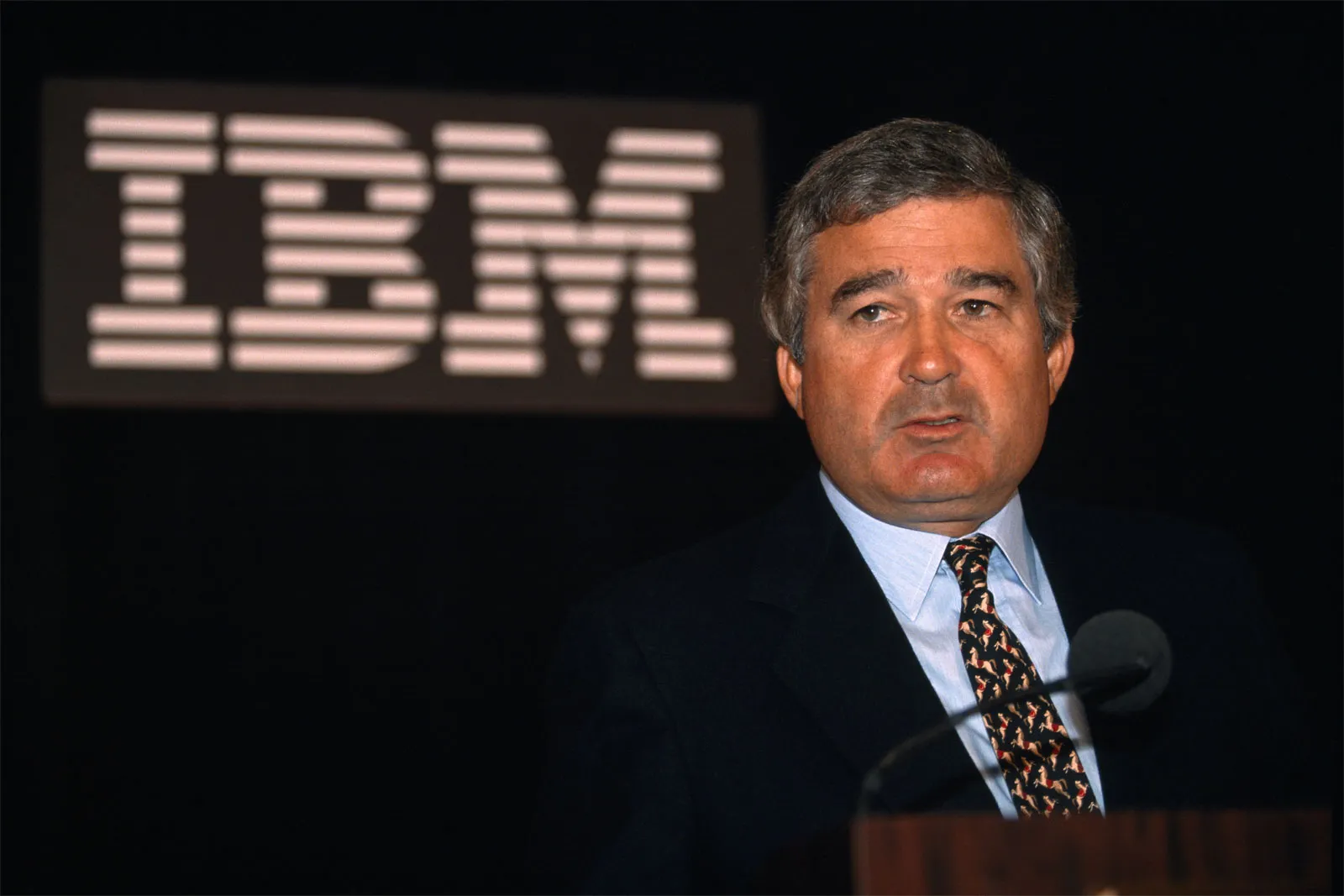
When people talk about the greatest business turnarounds in history, Lou Gerstner is one of the first names that comes to mind. As the CEO of IBM in the 1990s, he transformed a struggling technology company into one of the world’s most successful businesses. His leadership, strategic thinking, and customer-focused approach helped IBM regain its position as a global technology leader.
In this article, we’ll explore who Lou Gerstner is, how he saved IBM, the leadership lessons we can learn from him, and why his story continues to inspire business leaders around the world.

Who Is Lou Gerstner?
Louis V. Gerstner Jr., commonly known as Lou Gerstner, is an American businessman best known for serving as the Chairman and CEO of IBM from 1993 to 2002. Before joining IBM, he held leadership positions at American Express, McKinsey & Company, and RJR Nabisco.
When Gerstner took over IBM in 1993, the company was facing one of the biggest crises in its history. Many experts believed IBM should be split into smaller companies. Instead, Gerstner chose a different path—he rebuilt the company by focusing on customer needs, innovation, and integrated technology solutions.
The Challenges IBM Faced
Before Lou Gerstner became CEO, IBM was experiencing serious problems:
- Massive financial losses
- Falling demand for mainframe computers
- Strong competition from Microsoft, Intel, and other technology companies
- Slow decision-making processes
- Declining customer confidence
- Outdated business strategies
IBM had reported billions of dollars in losses, making its future uncertain.
How Lou Gerstner Turned IBM Around
1. Kept IBM Together
One of Gerstner’s biggest decisions was not to break IBM into smaller companies. Many analysts believed this was the only solution, but he believed customers wanted complete technology solutions from one trusted company.
This decision became one of the key reasons behind IBM’s long-term success.
2. Focused on Customers
Instead of concentrating only on products, Gerstner encouraged IBM to understand customer challenges and provide complete business solutions.
This customer-first approach helped strengthen relationships with businesses around the world.
3. Shifted Toward IT Services
Lou Gerstner recognized that the future of technology was not only hardware but also consulting and IT services.
IBM expanded its consulting business, helping organizations manage technology, digital transformation, and enterprise solutions. This strategic shift created new revenue opportunities.
4. Improved Company Culture
IBM had developed a slow and bureaucratic culture over many years.
Gerstner introduced faster decision-making, accountability, teamwork, and a stronger focus on business performance. Employees were encouraged to innovate and work more closely with customers.
5. Reduced Costs
To improve profitability, IBM restructured operations and reduced unnecessary expenses. While some decisions were difficult, they helped stabilize the company and improve financial performance.
The Results of IBM’s Transformation
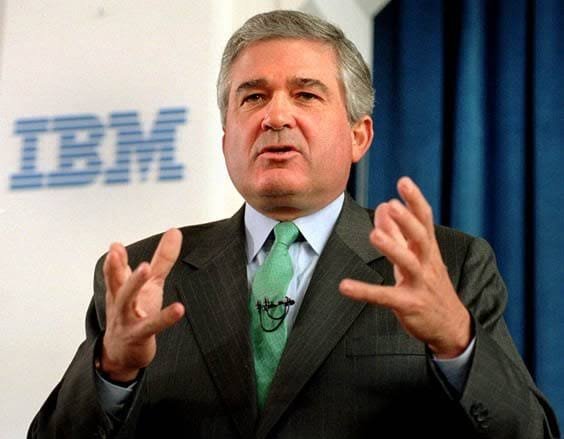
Lou Gerstner’s leadership produced remarkable results:
- IBM returned to profitability.
- Customer trust increased significantly.
- The company’s consulting and services business became a major source of revenue.
- IBM strengthened its global technology leadership.
- Shareholder confidence improved.
- IBM became a leading enterprise technology company once again.
His turnaround strategy is now studied in business schools worldwide.
Leadership Lessons from Lou Gerstner
Listen Before Making Decisions
Rather than making immediate changes, Gerstner spent time learning about IBM’s business, customers, and employees before introducing major reforms.
Put Customers First
Successful companies solve customer problems instead of simply selling products. Gerstner’s customer-focused strategy became one of IBM’s biggest strengths.
Adapt to Market Changes
Technology evolves quickly. Gerstner understood that IBM needed to evolve from a hardware manufacturer into a technology solutions provider.
Build Strong Teams
A company’s success depends on its people. Gerstner encouraged collaboration across departments to deliver better results.
Make Bold Decisions
Great leaders are willing to make difficult decisions when necessary. Gerstner’s choice to keep IBM together went against popular opinion but proved successful.
Why Lou Gerstner Still Matters Today
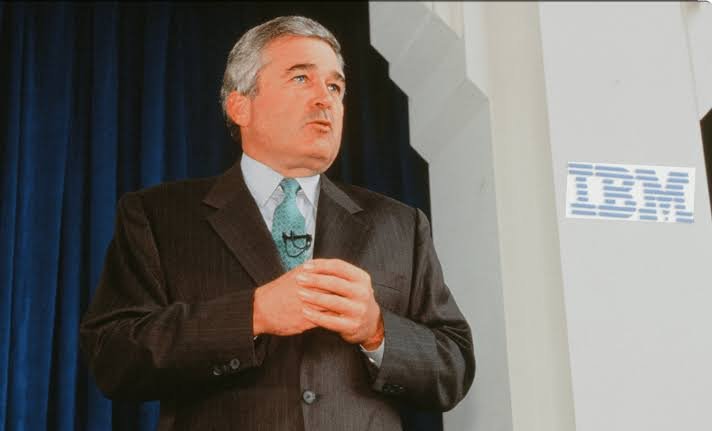
Today’s business environment changes rapidly because of artificial intelligence, cloud computing, cybersecurity, and digital transformation. Lou Gerstner’s leadership philosophy remains highly relevant.
Modern business leaders can learn the importance of:
- Staying focused on customers
- Adapting to industry changes
- Building strong organizational culture
- Encouraging innovation
- Thinking long-term instead of chasing short-term trends
These principles continue to guide successful companies across industries.
Key Takeaways
- Lou Gerstner became IBM CEO during one of the company’s toughest periods.
- He chose to transform IBM instead of breaking it apart.
- Customer-focused strategies helped rebuild trust and revenue.
- IBM successfully expanded into consulting and IT services.
- His leadership is considered one of the greatest corporate turnarounds in business history.
Conclusion
Lou Gerstner’s journey at IBM demonstrates how visionary leadership, strategic thinking, and customer-focused innovation can completely transform a business. Instead of following conventional advice, he believed in IBM’s strengths and reshaped the company for the future.
Today, his leadership story continues to inspire entrepreneurs, executives, and business students worldwide. Whether you’re running a startup or managing a global organization, Lou Gerstner’s principles of adaptability, customer focus, and courageous decision-making remain valuable lessons for long-term success.
