


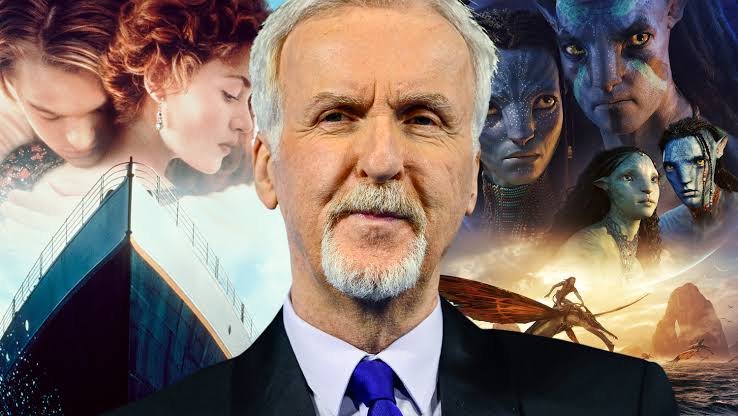
James Cameron is one of the most influential filmmakers in modern cinema. The Canadian director is known for creating movies that combine powerful storytelling with groundbreaking technology. While he has directed many successful films, Titanic and Avatar are the two movies that completely changed Hollywood. These films broke box office records, introduced new filmmaking techniques, and inspired directors around the world.
In this article, we explore how James Cameron transformed the film industry through Titanic and Avatar and why his work continues to shape modern cinema.

Who Is James Cameron?
James Cameron is a Canadian filmmaker, director, producer, and screenwriter. He began his career in the film industry with a passion for science fiction and visual storytelling. Over the years, he directed blockbuster movies such as The Terminator, Aliens, Terminator 2: Judgment Day, Titanic, and Avatar.
Cameron is famous for pushing the limits of filmmaking technology. He believes that great stories become even more powerful when supported by innovative visual effects and realistic cinematic experiences.
The Success of Titanic
Released in 1997, Titanic became one of the biggest movies in film history. The movie tells the emotional love story of Jack and Rose, set during the tragic sinking of the RMS Titanic.
At the time of its release, Titanic had one of the largest production budgets ever. Many people believed the movie would fail because of its high cost and long production schedule. However, James Cameron proved everyone wrong.
The film became a global sensation and earned billions of dollars at the worldwide box office. It also won 11 Academy Awards, including Best Picture and Best Director.
Why Titanic Changed Hollywood
Titanic showed that audiences wanted more than visual effects. They also wanted emotional stories with memorable characters. Cameron successfully combined romance, history, drama, and spectacular visuals into one unforgettable film.
The movie encouraged Hollywood studios to invest in large-scale productions that balanced storytelling with impressive technical quality. It also raised expectations for production design, costume design, and realistic visual effects.

The Arrival of Avatar
In 2009, James Cameron released Avatar, another film that changed the future of cinema.
Set on the fictional moon Pandora, Avatar tells the story of Jake Sully, a former Marine who becomes part of an alien world through an advanced avatar program. The movie explores themes such as environmental protection, respect for nature, and cultural understanding.
Although the story was simple and easy to follow, its visual presentation amazed audiences across the globe.
How Avatar Revolutionized Filmmaking
One of the biggest achievements of Avatar was its use of advanced 3D technology and motion capture.
James Cameron spent years developing new camera systems that allowed actors’ facial expressions and movements to be captured with incredible detail. This made the digital characters feel realistic and emotionally believable.
The movie also introduced audiences to breathtaking virtual environments that looked natural and immersive. After the success of Avatar, many studios invested in 3D filmmaking and advanced visual effects.
The film proved that technology could enhance storytelling instead of replacing it.
James Cameron’s Innovation in Visual Effects
James Cameron has always believed that technology should help tell better stories.
His films introduced several innovations, including:
- Advanced motion capture technology
- Improved computer-generated imagery (CGI)
- Realistic underwater filming techniques
- High-quality 3D camera systems
- Virtual production methods
Many of these techniques later became standard in Hollywood and influenced countless filmmakers.

Inspiring Future Filmmakers
James Cameron has inspired directors, producers, and visual artists worldwide. His commitment to quality, creativity, and innovation encourages filmmakers to think beyond traditional limits.
Many successful directors have praised Cameron for showing that audiences are willing to support ambitious ideas when they are presented with passion and excellence.
His influence can be seen in modern science fiction films, fantasy adventures, and large-scale action movies.
Lessons Hollywood Learned from James Cameron
Hollywood learned several important lessons from the success of Titanic and Avatar:
- Great storytelling is always the foundation of a successful movie.
- Investing in new technology can create unforgettable cinematic experiences.
- Global audiences appreciate emotional stories that connect with people from different cultures.
- High production budgets can succeed when supported by strong direction and creative vision.
- Innovation and creativity often lead to long-term success.
These lessons continue to influence filmmakers today.
James Cameron’s Lasting Legacy
James Cameron’s impact on Hollywood extends far beyond two blockbuster films. He has shown that filmmaking is both an art and a science.
His dedication to innovation has helped shape the future of cinema, while his focus on storytelling has created movies that remain popular for generations.
Even years after their release, Titanic and Avatar continue to attract new audiences and inspire filmmakers around the world.
As technology continues to evolve, James Cameron remains one of the industry’s leading visionaries, proving that imagination, hard work, and innovation can transform the way stories are told on the big screen.
Conclusion
James Cameron changed Hollywood by combining emotional storytelling with revolutionary filmmaking technology. Titanic proved that audiences would embrace epic stories with unforgettable characters, while Avatar redefined what was possible with visual effects and 3D cinema.
His work has influenced directors, studios, and technology developers across the entertainment industry. Today, James Cameron is recognized as one of the greatest filmmakers of all time, and his contributions continue to shape the future of global cinema.
