


For years, gold investing occupied a fairly predictable corner of the financial world. Buyers were often retirees, longtime collectors, or investors looking for a traditional hedge during periods of economic uncertainty. Today, that audience appears to be broadening.
Search interest surrounding Gold IRAs, physical bullion ownership, and alternative retirement strategies has grown alongside wider conversations about inflation, market volatility, and the long-term stability of traditional portfolios. But as curiosity rises, so does confusion. Financial terminology, IRS regulations, storage requirements, and rollover procedures remain unfamiliar territory for many first-time investors.
That growing knowledge gap is pushing some companies to place education at the forefront of their business models.
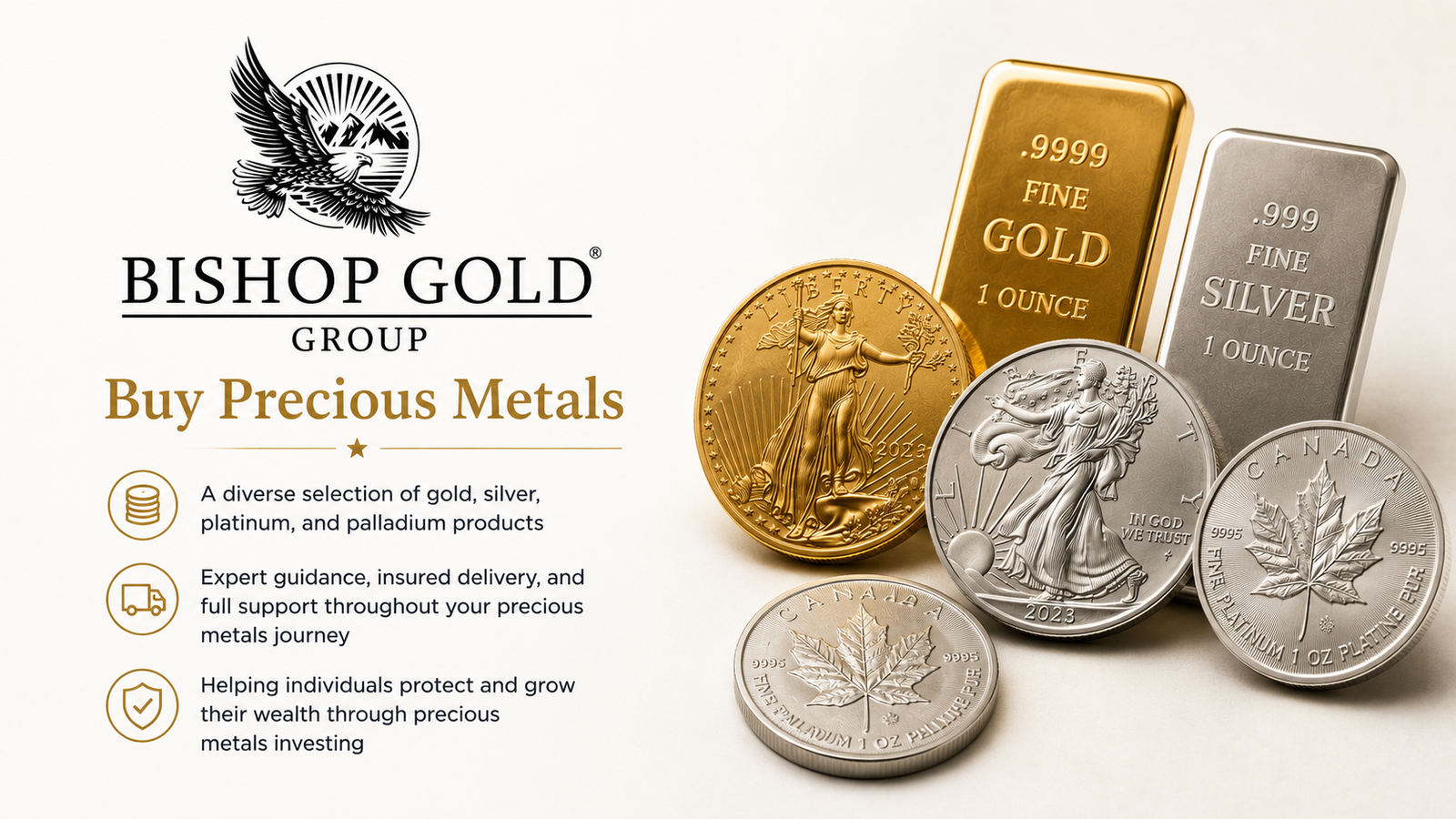
Bishop Gold Group is among the firms expanding its educational resources through a complimentary Precious Metals and Gold IRA Guide designed to help consumers understand the fundamentals of physical gold ownership and self-directed retirement accounts before making any purchasing decisions.
Rather than functioning as a sales brochure, the guide addresses many of the practical questions prospective investors typically encounter. It explores how self-directed IRAs operate, what types of metals qualify under federal guidelines, how rollovers are completed, and what investors should consider when evaluating storage and custodial arrangements.
The emphasis on education reflects a broader shift taking place across financial services.
Consumers today have unprecedented access to investment opportunities, from cryptocurrency and private markets to commodities and alternative retirement vehicles. Yet accessibility has not necessarily translated into understanding. Industry surveys continue to show that many Americans feel unprepared when navigating retirement planning terminology or evaluating diversification strategies.
As a result, educational content is becoming a competitive advantage rather than a secondary offering.
For precious metals companies in particular, that shift carries added significance. Unlike traditional brokerage accounts, physical gold ownership introduces considerations that extend beyond market performance. Questions surrounding liquidity, premiums, storage solutions, insurance, and tax treatment often require careful explanation, especially for individuals entering the market for the first time.
The appeal of tangible assets remains strong, however.
Gold and silver have historically occupied a unique place in American investing culture, viewed by many as long-term stores of value that exist outside conventional financial systems. While economists and advisors continue to debate the precise role precious metals should play within modern portfolios, consumer interest has remained remarkably resilient through changing market cycles.
Much of that interest today is tied less to speculation and more to preparation.
Investors are increasingly seeking information before action. They want to understand the mechanics of a Gold IRA, the distinctions between collectible coins and investment-grade bullion, and the regulatory framework governing self-directed retirement accounts. Educational resources that address those questions in straightforward terms have become increasingly valuable.
Bishop Gold Group’s initiative speaks directly to that demand. The company’s free guide provides an informational foundation while encouraging individuals to conduct independent research and consult qualified financial, legal, and tax professionals before making investment decisions.
That approach mirrors a larger trend unfolding across the financial landscape: consumers expect transparency first and transactions second.
In an environment where investment options continue to multiply, companies that prioritize financial literacy may ultimately earn greater trust than those focused solely on products. Whether an individual ultimately chooses physical gold, traditional equities, or another asset class altogether, informed decision-making remains the common denominator.
For many Americans, the first investment may not be in gold itself, but in understanding the choices available to them.
Disclaimer: This is for informational purposes only and does not constitute financial, legal, tax, or investment advice. Precious metals involve risk and may not be suitable for every investor. Past performance is not indicative of future results. Individuals should conduct independent research and consult qualified financial, tax, and legal professionals before making investment decisions.
