


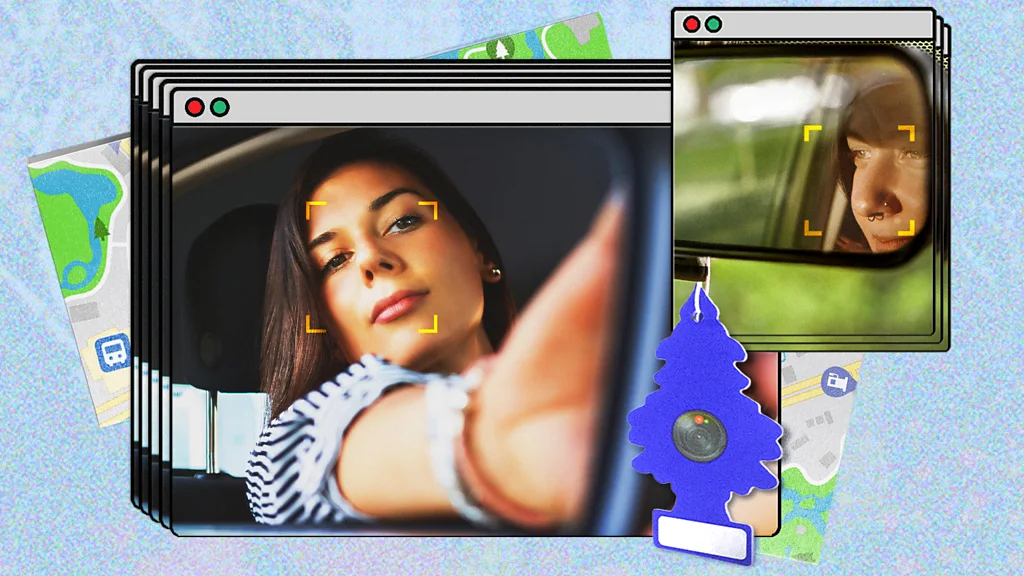
Modern cars are no longer just machines with engines and wheels. Today’s vehicles are packed with smart technology, internet connections, cameras, sensors, GPS systems, and software that collect huge amounts of data every single day. Many experts now say that cars are becoming “computers on wheels.”
While these smart features make driving safer and more convenient, they also raise serious privacy concerns. Your car may know where you go, how fast you drive, who you call, what music you listen to, and even how often you stop for coffee.
The truth is simple: your car is collecting data all the time — and this trend is growing rapidly.
How Modern Cars Collect Data
Most new vehicles come with advanced technology systems. These systems continuously gather information while you drive.
Some common data collection tools include:
- GPS tracking
- Dashboard cameras
- Voice assistants
- Bluetooth connections
- Driving behavior sensors
- Mobile app integration
- Internet connectivity
- Navigation systems
Car companies use this information to improve vehicle performance, safety, and customer experience. However, many drivers do not fully understand how much data is actually being collected.
What Type of Data Does Your Car Collect?
Modern cars can collect a surprising amount of personal information.
Location Data
Your vehicle can track:
- Daily routes
- Home address
- Work location
- Favorite places
- Travel history
GPS systems constantly monitor your movements.
Driving Habits
Cars can also record:
- Speed
- Braking patterns
- Acceleration
- Seatbelt use
- Fuel usage
- Steering behavior
Insurance companies may even use this data to create driving profiles.
Personal Information
If your phone connects to the car, the system may access:
- Contact lists
- Call history
- Messages
- Music apps
- Calendar information
Some vehicles can even store voice recordings from built-in assistants.
Why Car Companies Collect So Much Data
Car manufacturers say data collection helps improve:
- Vehicle safety
- Navigation accuracy
- Driver assistance systems
- Traffic updates
- Software performance
For example, smart systems can warn drivers about accidents, road conditions, or engine problems in real time.
Data also helps companies develop future technologies like:
- Self-driving cars
- AI-powered navigation
- Smart traffic systems
- Predictive maintenance
The more data companies collect, the smarter their systems become.
The Rise of Connected Cars
Connected cars are vehicles linked to the internet through wireless networks. These cars can send and receive data constantly.
Today, millions of connected cars are already on roads worldwide. In the future, almost every new car may become fully connected.
Some features of connected cars include:
- Remote unlocking
- Live navigation
- Automatic software updates
- Emergency assistance
- Real-time diagnostics
While these tools are useful, they also create new privacy risks.
Are Cars Listening to Drivers?
Many smart vehicles now include voice assistants similar to smartphones or smart speakers.
Drivers can use voice commands to:
- Make calls
- Send messages
- Control music
- Get directions
However, some people worry that these systems may record conversations or store voice data longer than expected.
Although companies claim recordings help improve services, privacy experts warn users to read vehicle privacy policies carefully.
Who Can Access Your Car Data?
This is one of the biggest concerns today.
Your vehicle data may be shared with:
- Car manufacturers
- Third-party apps
- Insurance companies
- Advertising companies
- Government agencies
- Service providers
In some cases, users unknowingly agree to data sharing when accepting terms and conditions during vehicle setup.
The Future of Vehicle Surveillance
Experts believe data collection in vehicles will increase dramatically over the next decade.
Future cars may include:
- Facial recognition
- Eye-tracking systems
- Biometric sensors
- AI behavior analysis
- Real-time monitoring
Self-driving technology will require even more data to function safely.
As vehicles become smarter, the debate between convenience and privacy will become more important.
How to Protect Your Privacy
Drivers can take several steps to reduce privacy risks.
Read Privacy Policies
Before using connected services, understand what information the company collects.
Limit App Permissions
Only allow necessary permissions when connecting your smartphone.
Disable Unused Features
Turn off:
- Voice recording
- Location sharing
- Wi-Fi connectivity
if you do not need them.
Update Software Carefully
Install updates from trusted manufacturers to improve security.
Delete Stored Data Before Selling a Car
Always remove:
- Contacts
- Navigation history
- Connected accounts
before selling or trading your vehicle.
Why This Topic Matters
Cars are becoming part of the digital world. Most people focus on smartphone privacy but forget that vehicles now collect just as much personal information.
The automotive industry is entering a new era where data has enormous value. Companies use it to improve technology, create targeted advertising, and develop future transportation systems.
Consumers need to stay informed so they can enjoy smart technology without giving away too much personal privacy.
Conclusion
Modern vehicles offer incredible convenience, safety, and smart features. But behind the technology lies a growing network of data collection systems that monitor drivers every day.
Your car may know more about your daily life than you realize. From travel habits to personal information, connected vehicles are constantly gathering data to power the future of transportation.
As technology continues to evolve, drivers must understand how their information is used and take steps to protect their privacy. The future of smart cars is exciting — but it also comes with important questions about digital surveillance and personal freedom.
FAQs
1. Do smart cars really collect personal data?
Yes, many modern vehicles collect location, driving behavior, phone connections, and system usage data.
2. Can car companies sell driver data?
Some companies may share or sell certain data to third parties depending on their privacy policies and user agreements.
3. Are connected cars safe from hackers?
Manufacturers improve security regularly, but connected cars can still face cybersecurity risks if systems are not properly protected.
4. How can I stop my car from tracking me?
You can disable certain connected features, limit app permissions, and turn off location services when possible.
5. Why do self-driving cars need so much data?
Self-driving systems rely on massive amounts of real-time data to understand roads, traffic, safety conditions, and driver behavior.
