


Your credit score is one of the most important numbers in your financial life. Whether you want to buy a house, get a loan, or apply for a credit card, your credit score plays a big role.
In the USA, a good credit score can help you get lower interest rates, faster loan approvals, and better financial opportunities. But if your score is low, don’t worry—you can improve it with the right steps.
In this guide, we will explain what a credit score is and how to improve it quickly in simple and easy language.
What is a Credit Score?
A credit score is a number that shows how trustworthy you are with money. It tells lenders whether you can repay your debt on time.
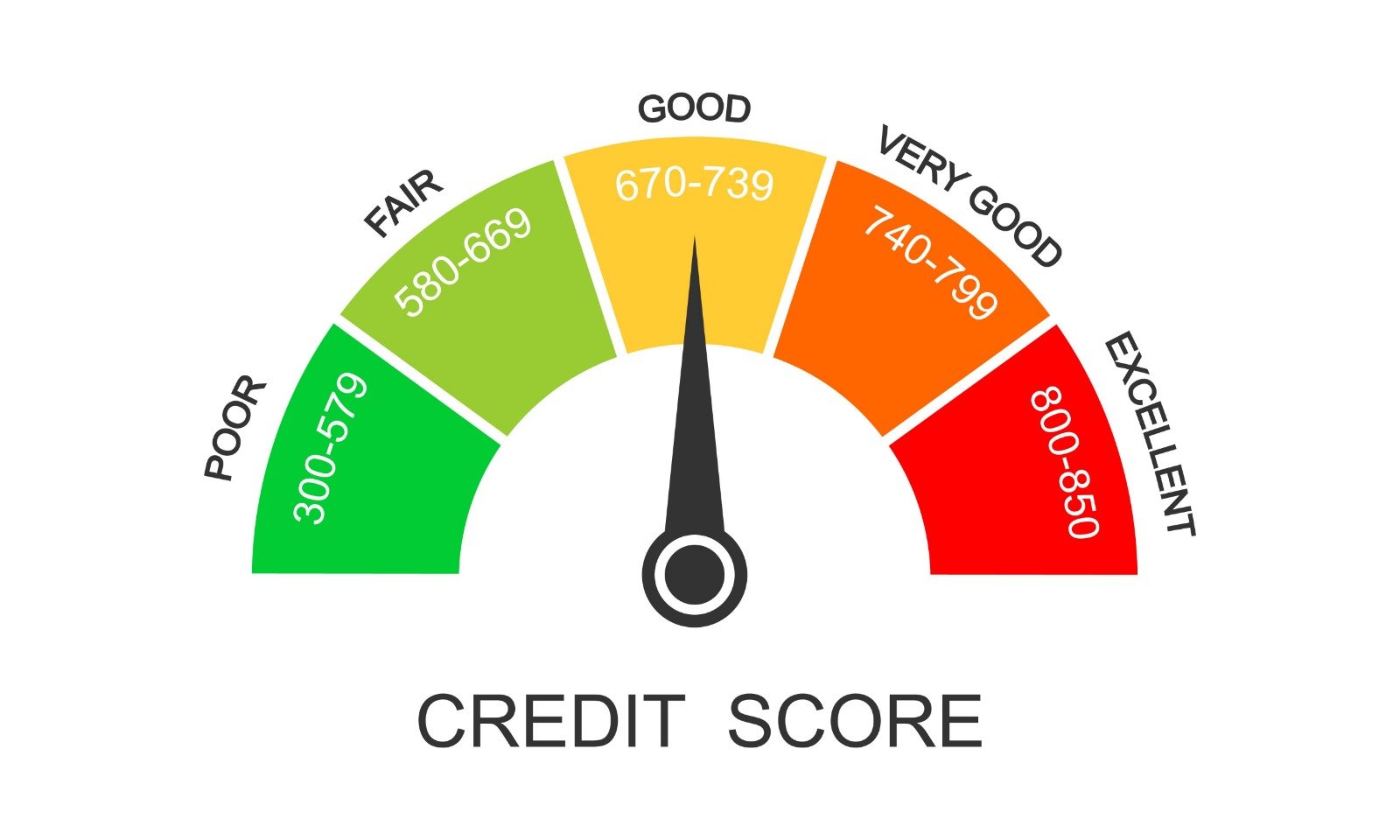
In the USA, credit scores usually range from 300 to 850.
Credit Score Range:
- 300–579 → Poor
- 580–669 → Fair
- 670–739 → Good
- 740–799 → Very Good
- 800–850 → Excellent
The higher your score, the better your chances of getting approved for loans and credit cards.
Why is Credit Score Important?
Your credit score affects many areas of your life:
- Loan approvals (home, car, personal loans)
- Credit card limits
- Interest rates
- Renting a house or apartment
- Even job opportunities in some cases
👉 A good credit score saves you money in the long run.
How is Credit Score Calculated?
Your credit score is based on several factors:
1. Payment History (35%)
Do you pay your bills on time? This is the most important factor.
2. Credit Utilization (30%)
How much credit you are using compared to your limit.
3. Credit History Length (15%)
How long you have been using credit.
4. Credit Mix (10%)
Different types of credit (credit cards, loans, etc.)
5. New Credit (10%)
How often you apply for new credit.
How to Improve Your Credit Score Quickly
Here are some simple and effective tips to boost your credit score fast:
1. Pay Your Bills on Time
Always pay your credit card bills, loans, and EMIs on time. Even one late payment can lower your score.
👉 Tip: Set reminders or enable auto-pay.
2. Reduce Credit Card Usage
Try to keep your credit utilization below 30%.
Example:
If your credit limit is $1,000, don’t use more than $300.
3. Don’t Apply for Too Many Loans
Applying for multiple loans or credit cards in a short time can reduce your score.
👉 Only apply when necessary.
4. Check Your Credit Report Regularly
Mistakes in your credit report can hurt your score. Always check your report and correct any errors.
You can get free reports from agencies like:
- Experian
- Equifax
- TransUnion
5. Keep Old Credit Accounts Open
Older accounts help increase your credit history length. Don’t close them unless necessary.
6. Use a Secured Credit Card
If your score is very low, you can start with a secured credit card. It helps build your credit slowly.
7. Pay More Than Minimum Due
Always try to pay full credit card balance instead of minimum payment.
👉 This reduces debt faster and improves your score.
How Long Does It Take to Improve Credit Score?
Improving your credit score takes time, but you can see changes in:
- 1–3 months → Small improvements
- 3–6 months → Noticeable changes
- 6–12 months → Significant improvement
Consistency is the key.
Common Mistakes to Avoid
❌ Missing payments
❌ Using full credit limit
❌ Closing old accounts
❌ Ignoring credit report errors
❌ Applying for too many credit cards
Avoid these mistakes to protect your score.
Conclusion
Understanding your credit score is the first step toward financial success. A good score helps you save money, get better deals, and live stress-free.
The best part? You don’t need any complicated strategy. Just follow simple habits like:
- Paying bills on time
- Using less credit
- Monitoring your report
👉 With consistency, you can improve your credit score quickly and build a strong financial future.
❓ FAQs (Frequently Asked Questions)
1. What is a good credit score in the USA?
A credit score of 670 or above is considered good, while 740+ is very good.
2. Can I improve my credit score in 30 days?
Yes, small improvements are possible in 30 days by paying bills on time and reducing credit usage.
3. How often should I check my credit score?
You should check your credit score at least once a month.
4. Does checking my credit score lower it?
No, checking your own score (soft inquiry) does not affect your credit score.
