


As artificial intelligence transforms marketing, Robin Dimond of Fifth & Cor believes the future of branding belongs to businesses that create meaningful experiences, engage the senses, and build genuine human connections.
There is something unmistakable about walking into a space that makes you feel welcome. Perhaps it is the music playing softly, a familiar scent, the warmth of a personal greeting, or an atmosphere that makes you want to stay longer. Long after leaving, you may forget what was said, but you remember how the experience made you feel.
For Robin Dimond, founder and CEO of Fifth & Cor, a marketing and innovation company, that simple truth is at the heart of her approach to building brands.
At a time when businesses can generate endless advertisements, automate conversations, and produce digital content within seconds, Dimond believes the next competitive advantage will come not from creating more, but from creating experiences that mean more.
“Brands can produce more content than ever before, but more content doesn’t mean more connection,” Dimond explains. “People don’t remember brands simply because they’ve seen their advertisements. They remember how those brands made them feel.”
Her perspective reflects a growing emphasis on human-centered marketing, where authentic interactions, emotional connections, and memorable experiences matter as much as digital visibility.
The Return of Analog Experiences
For years, businesses have prioritized digital marketing, measuring success through impressions, website traffic, and social media engagement. But visibility and emotional connection are not interchangeable.
As artificial intelligence makes content production increasingly accessible, brands face a fundamental question: When everyone can create more, what actually makes a business memorable?
Dimond believes part of the answer lies in returning to real-world experiences.
“As our lives become increasingly dominated by screens, real-world experiences offer something digital interactions often lack: physical presence, spontaneity, and genuine human connection,” she says.
From intimate gatherings and hands-on demonstrations to thoughtfully designed retail environments, analog experiences allow consumers to engage with brands beyond a screen.
This is where experiential marketing and intentional brand activations become valuable. Instead of passively consuming advertisements, customers participate in experiences that can create personal memories and strengthen relationships.
For Dimond, the objective is not to abandon technology but to create meaningful moments that digital interactions alone cannot always deliver.
Sensory Marketing: Engaging More Than the Eyes
Traditional advertising relies heavily on visual recognition, from logos and packaging to photography and digital campaigns. Yet human experiences involve far more than what we see.
The smell of fresh coffee, the texture of premium packaging, or the music associated with a memorable event can influence how consumers perceive and remember a business.
This is the foundation of sensory marketing, which engages sight, sound, touch, taste, and smell to create stronger emotional associations.
Sometimes called five senses marketing, this approach encourages businesses to consider the complete customer experience rather than focusing exclusively on appearance.
“Brands need to stop thinking exclusively about how they look and start considering how they feel,” Dimond says.
Consider a luxury hotel. Its identity extends beyond interior design to include lighting, signature scents, music, materials, and personal service. Together, these elements create an atmosphere guests may associate with the property long after their visit.
Through multisensory branding, businesses can transform ordinary interactions into distinctive experiences that encourage recognition, emotional connection, and loyalty.
Fifth & Cor: Where the Five Senses Meet the Heart
Dimond’s philosophy is reflected in the name Fifth & Cor. “Fifth” represents the five senses, while “Cor” represents the heart, emphasizing the relationship between sensory engagement and emotion.
“Great marketing should do more than capture attention. It should make people feel something,” she explains.
This belief shapes the agency’s approach to sensory branding and emotional branding, beginning with understanding the people and stories behind a business.
Dimond describes client relationships as similar to a marriage. Before developing a strategy, her team seeks to understand a founder’s background, motivations, personal experiences, and reasons for building the company.
“We believe you can’t create an authentic brand experience without truly understanding the people behind it,” she says.
Rather than manufacturing an identity that appears impressive, Fifth & Cor focuses on uncovering what makes each brand authentic and translating those qualities into experiences consumers can genuinely connect with.
Creating Experiences That Become Memories
Experiential marketing is often associated with elaborate installations or expensive events. Dimond believes memorable experiences do not necessarily require extravagant budgets.
“The most memorable brand experiences don’t always require grand gestures. They require intention,” she explains.
A retailer offering an interactive demonstration, a restaurant creating a distinctive atmosphere, or a company hosting a community gathering can transform an ordinary interaction into something meaningful.
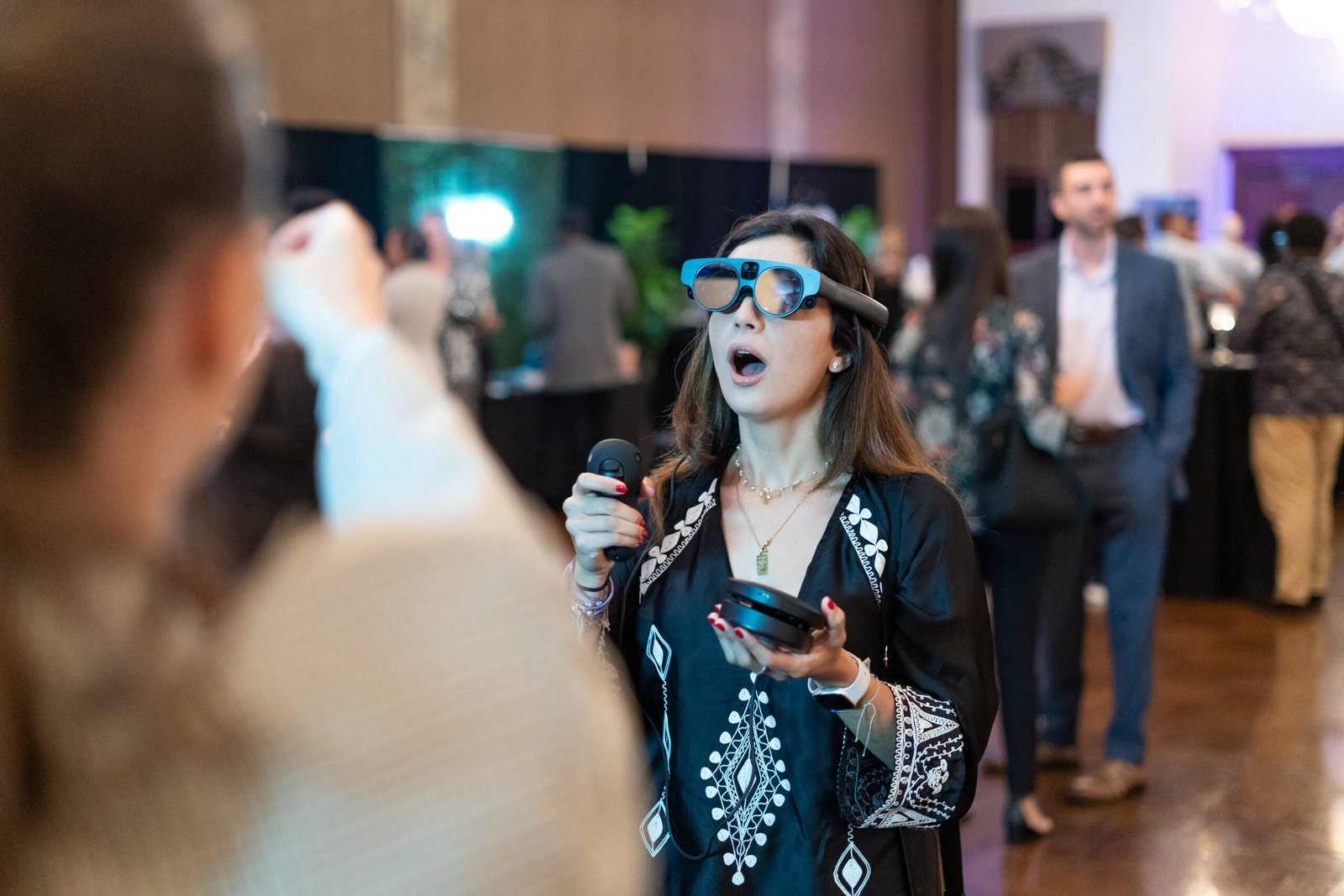
At Fifth & Cor, this philosophy inspired The Great Connect, an event designed to reimagine traditional business networking through interactive sensory stations, food tastings, augmented reality demonstrations, and community-focused initiatives.
Rather than simply bringing people into a room, the event encouraged participation and genuine connections through shared experiences.
The concept demonstrates how immersive brand experiences can combine technology, creativity, and human interaction without allowing digital tools to overshadow personal relationships.
“We don’t want people to simply observe a brand. We want them to participate in its story,” Dimond says.
Why Emotional Connection Builds Lasting Loyalty
For Dimond, creating memorable experiences is more than a creative exercise. It is an important component of long-term business growth.
“Brand loyalty isn’t built through transactions alone,” she explains. “It’s built through trust, emotional connection, and the feeling that a brand genuinely understands the people it serves.”
While advertising can generate awareness, meaningful experiences give consumers reasons to return, recommend a business, and develop lasting relationships.
Dimond believes businesses should measure experiential marketing beyond attendance and impressions, considering brand recall, consumer sentiment, referrals, retention, and conversions.
At Fifth & Cor, brand activations are connected with public relations, creative storytelling, content creation, and digital marketing, extending the impact of an experience beyond the event itself.
The goal is to create memories that support meaningful relationships and measurable business results.
The Future of Branding Is Human
Despite her emphasis on analog experiences, Dimond does not view technology as the enemy of authentic branding.
Artificial intelligence and digital platforms can improve efficiency, expand reach, and support creativity. The challenge is ensuring technology strengthens human connection rather than replacing it.
As content becomes easier to produce, Dimond believes the brands that distinguish themselves will be those that make consumers feel valued, understood, and connected.
“The future of branding will belong to businesses that understand a fundamental truth: people want to feel something, not just be sold something,” she says.
In an increasingly automated marketplace, meaningful experiences may become one of the most valuable ways for businesses to differentiate themselves.
Ultimately, a brand’s impact is not measured solely by how often people see it, but by what they remember.
As Dimond puts it, “You can manufacture content. You can’t manufacture genuine connection.”
