


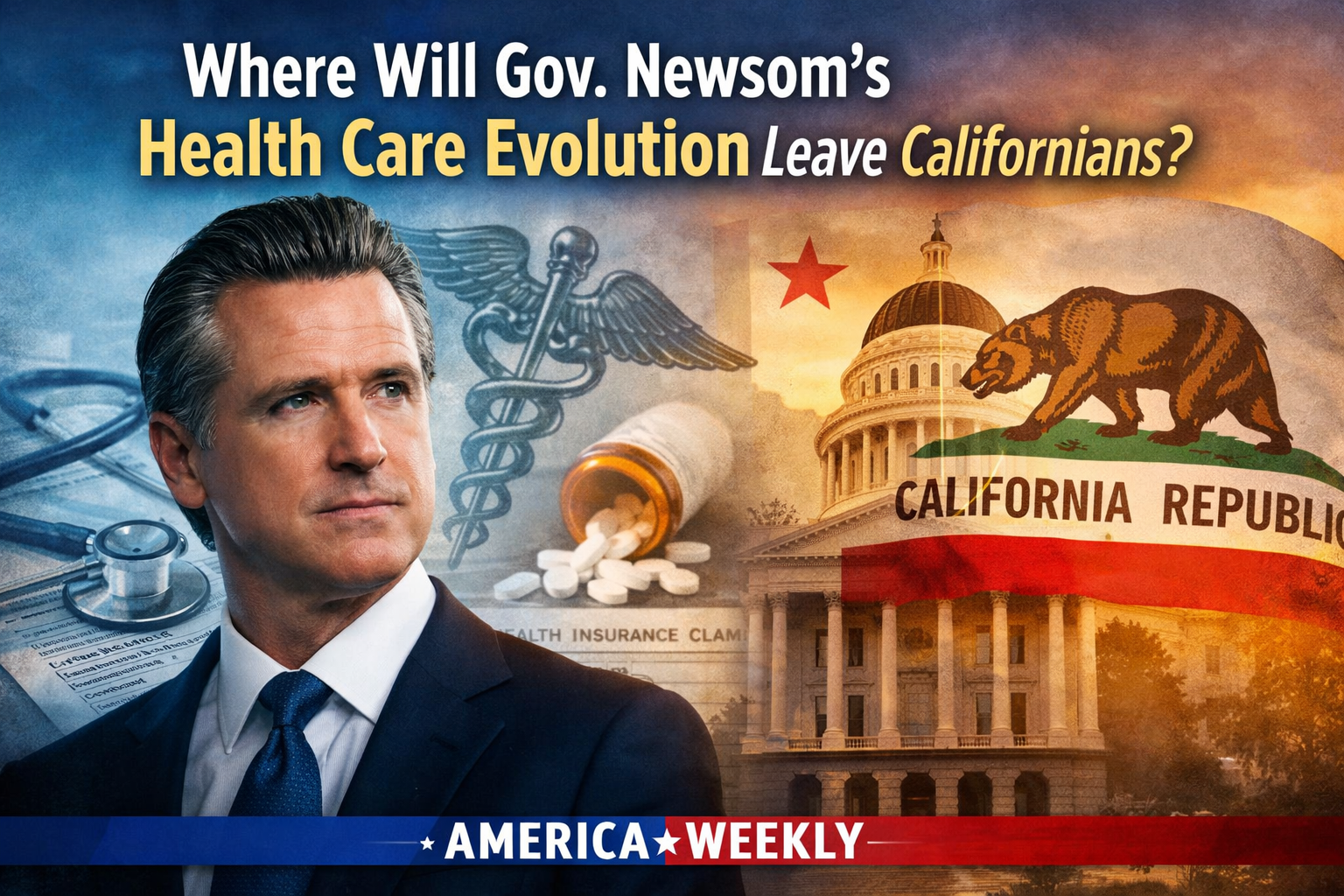
Healthcare has always been one of the most important and debated issues in California. Over the years, Gavin Newsom has shifted his position on health care reform. Many voters are now asking: Where will his changing approach leave Californians? This question is especially important as rising medical costs and insurance challenges continue to affect families across the state.
In this article, we will explore Gov. Newsom’s evolution on health care, what it means for residents, and how discussions highlighted by america weekly reflect growing public interest in this issue.
Understanding Gov. Newsom’s Early Health Care Vision
When Gavin Newsom first ran for governor, he strongly supported the idea of a single-payer health care system. This system would have replaced private insurance with a government-run program that covered all Californians.
At that time, he promised to move California toward universal health care. Many progressive voters supported this idea because it aimed to reduce costs and provide equal coverage to everyone.
However, building a single-payer system is expensive and complex. It requires strong political support and billions of dollars in funding. As time passed, Newsom began to adjust his approach.
A Shift Toward Incremental Reform
Instead of pushing aggressively for a single-payer system, Gov. Newsom started focusing on expanding existing programs like Medi-Cal. He supported expanding coverage to more low-income residents, including undocumented immigrants.
This shift shows a move from a large-scale transformation to gradual improvements. Supporters say this is a practical and realistic strategy. Critics argue that it moves away from his original promise.
Reports and discussions in america weekly often highlight how political leaders balance campaign promises with financial and legislative realities. Health care reform in California is a perfect example of this challenge.
What Does This Mean for Californians?
1. More Coverage for Low-Income Residents
One positive outcome of Newsom’s health care evolution is expanded Medi-Cal coverage. Many uninsured residents now have access to health services. This is especially helpful for vulnerable communities.
2. Rising State Costs
Expanding health care programs also increases state spending. California already faces budget pressures. Some experts worry that long-term sustainability could become an issue.
3. No Full Single-Payer System (Yet)
For voters who strongly supported single-payer health care, the shift feels disappointing. The dream of a fully government-funded system is not currently moving forward.
Political Pressure and Economic Reality
Health care reform depends on more than just political will. California’s budget, federal policies, and economic conditions all play important roles.
For example:
- Federal approval is required for certain reforms.
- State taxes would likely need to increase to fund a single-payer system.
- Businesses and insurance companies strongly influence policy decisions.
Gov. Newsom’s evolution may reflect these realities rather than a complete change in values.
Public Opinion: Divided but Engaged
Californians have mixed opinions about health care reform.
- Some believe universal coverage is necessary and worth higher taxes.
- Others worry about government inefficiency and financial strain.
Media platforms like america weekly show that health care remains one of the top political concerns in the state. Articles and opinion pieces demonstrate how engaged the public is on this issue.
The Bigger Picture: California as a National Example
California often sets trends for the rest of the country. If major reforms succeed here, other states may follow.
Gov. Newsom’s approach could signal a national strategy:
- Focus on expanding access first.
- Improve affordability gradually.
- Avoid large, risky reforms that may fail politically.
If this strategy works, it could influence future health care debates across the United States.
Challenges Ahead
Even with expanded Medi-Cal coverage, Californians still face problems:
- High insurance premiums
- Rising prescription drug costs
- Long wait times for appointments
- Hospital shortages in rural areas
Fixing these issues requires coordination between state government, private insurers, hospitals, and federal agencies.
The future of health care in California will depend on balancing compassion with financial responsibility.
Will Newsom Return to Single-Payer?
Some political analysts believe that if economic conditions improve and public support grows stronger, Newsom may revisit the idea of single-payer health care. Others believe incremental reform is the new long-term strategy.
For now, the focus appears to be on expanding access rather than restructuring the entire system.
Final Thoughts
Gov. Newsom’s evolution on health care shows how political leadership often adapts to reality. While early promises focused on dramatic reform, his current strategy emphasizes gradual expansion and financial caution.
For Californians, this means:
- Greater access to health coverage
- Ongoing debates about costs
- Continued political discussion
As coverage and analysis in america weekly often suggest, health care reform is not a simple issue. It involves economics, politics, and public trust.
The real question is not just where Gov. Newsom stands today, but how California will shape its health care future in the years ahead.
Will gradual reform be enough? Or will voters demand bigger change?
Only time — and the next election cycle — will tell.
Frequently Asked Questions (FAQs)
1. What is Gov. Newsom’s current health care plan in California?
Gov. Gavin Newsom is currently focusing on expanding Medi-Cal coverage and improving access to affordable health services rather than implementing a full single-payer system. His approach is more gradual and financially cautious compared to his earlier proposals.
2. Did Gavin Newsom abandon the single-payer health care system?
Gov. Newsom has not completely abandoned the idea of single-payer health care, but he has shifted toward incremental reforms. Instead of a full government-run system, he is expanding existing programs to increase coverage for Californians.
3. How does Gov. Newsom’s health care evolution affect Californians?
Californians may benefit from broader Medi-Cal coverage and increased access to care. However, concerns remain about rising state costs and long-term sustainability. Discussions highlighted by america weekly show that public opinion remains divided on this issue.
4. What role does Medi-Cal play in California’s health care system?
Medi-Cal is California’s public health insurance program for low-income residents. Under Newsom’s leadership, eligibility has expanded to include more groups, helping reduce the number of uninsured people in the state.
5. Why is health care reform important in California?
Health care reform is important because California has high medical costs, large uninsured populations, and growing demand for affordable care. As often discussed in america weekly, health care remains one of the most critical political and economic issues affecting families
