


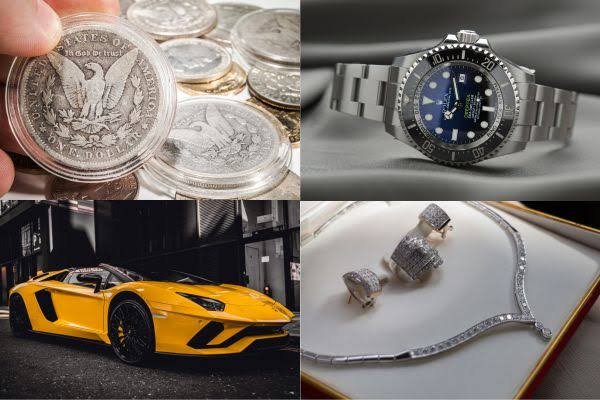
Luxury is no longer just about owning expensive products. Today, wealthy individuals and investors are increasingly interested in assets that offer beauty, exclusivity, cultural value, and potential financial returns. Art, fine jewelry, classic cars, and rare collectibles are becoming important parts of modern wealth management.
These items are often called alternative luxury assets because they are different from traditional investments such as stocks, bonds, and real estate. Some can increase in value over time, especially when they are rare, authentic, and in high demand.
From valuable paintings to vintage watches and limited-edition automobiles, the luxury investment market is attracting attention from collectors, entrepreneurs, and high-net-worth individuals around the world.
What Is a Luxury Asset Class?
A luxury asset class includes valuable physical items that people purchase not only for personal enjoyment but also for their rarity, historical importance, and potential investment value.
Unlike everyday luxury products, these assets may become more valuable as they become harder to find.
The main categories include:
- Fine Art: Original paintings, sculptures, and works by famous artists.
- Fine Jewelry: Rare diamonds, gemstones, gold jewelry, and designer pieces.
- Classic Cars: Vintage automobiles, limited-production models, and historic sports cars.
- Rare Collectibles: Luxury watches, rare coins, vintage handbags, trading cards, and historical objects.
These assets combine personal passion with the possibility of long-term financial appreciation. However, their prices are not guaranteed to increase.
1. Art: Investing in Creativity and Cultural Value
Art has been an important store of wealth for centuries. Paintings, sculptures, and other original artworks can become extremely valuable because of their artistic importance, historical background, and limited availability.
Collectors often look for works created by internationally recognized artists such as Pablo Picasso, Claude Monet, and Vincent van Gogh.
The value of an artwork depends on several factors, including the artist’s reputation, authenticity, condition, ownership history, and market demand.
The global art market also offers opportunities for emerging artists. Some collectors purchase works from new talent before their popularity grows.
However, art investment requires knowledge and patience. Finding buyers can take time, and auction fees, insurance, transportation, and storage can increase ownership costs.
2. Jewelry: The Lasting Appeal of Precious Materials
Fine jewelry is another important category in the luxury asset market. Gold, platinum, diamonds, emeralds, rubies, and sapphires have attracted buyers for generations.
High-quality jewelry from established luxury houses can carry additional value because of its craftsmanship, brand reputation, and design history.
Rare gemstones are particularly attractive to collectors. Their value depends on factors such as quality, size, color, clarity, rarity, and certification.
For example, exceptional diamonds and rare colored gemstones can attract significant interest from international buyers.
Vintage and signed jewelry from famous designers may also become valuable collectibles.
However, not every expensive jewelry item is a good investment. Retail prices often include brand premiums, making resale values lower than the original purchase price. Buyers should check authenticity, certifications, and resale demand before purchasing.
3. Classic Cars: When Engineering Becomes an Investment
Classic and collectible cars have developed into a major part of the luxury investment world.
Rare Ferrari, Porsche, Mercedes-Benz, and Aston Martin models attract collectors because of their engineering, design, racing history, and limited production numbers.
Some vintage automobiles have achieved impressive auction prices, especially when they have documented histories and excellent original condition.
Collectors usually consider several important factors before purchasing a classic car:
- Brand and model reputation.
- Production numbers and rarity.
- Original condition and maintenance history.
- Previous ownership and racing history.
- Market demand among international collectors.
Classic cars also provide something that many other investments cannot: the experience of driving and enjoying the asset.
However, maintaining a collectible car can be expensive. Insurance, restoration, storage, spare parts, and regular maintenance must be included in the total investment cost.
4. Rare Collectibles: Small Objects With Big Value
Rare collectibles are becoming increasingly popular among younger collectors and experienced investors.
This category includes vintage watches, limited-edition handbags, rare coins, historical memorabilia, trading cards, and luxury accessories.
Brands such as Rolex, Patek Philippe, and Hermès have strong recognition among luxury collectors.
Limited production, historical importance, excellent condition, and strong brand demand can make certain items highly desirable.
For example, rare vintage watches can attract collectors because of their mechanical design, production history, and limited availability.
Similarly, limited-edition handbags and historical collectibles can command high resale prices when demand exceeds supply.
The collectibles market also benefits from online auction platforms, specialist marketplaces, and international collector communities.
Nevertheless, buyers should be careful about counterfeit products, artificial price increases, and changing market trends.
Why Are Luxury Assets Becoming More Popular?
Several factors are supporting interest in luxury assets.
1. Portfolio Diversification: Some investors want to hold assets beyond traditional financial markets. Luxury collectibles can provide another form of exposure, although their prices may still be affected by economic conditions.
2. Rarity and Exclusivity: Limited availability makes certain luxury items attractive to collectors. An original artwork or rare vintage car cannot always be replaced.
3. Cultural and Emotional Value: Many people purchase luxury assets because they enjoy owning beautiful, historically important, or personally meaningful objects.
4. Global Wealth Growth: Increasing wealth among high-net-worth individuals is supporting demand for exclusive luxury products and collectibles.
5. Digital Marketplaces: Online auctions and specialist platforms have made it easier for buyers and sellers to connect across international markets.
How to Invest in Luxury Assets Wisely
Investing in luxury assets requires research, careful planning, and an understanding of the market.
Here are some important steps for new investors:
- Research the Market: Understand the asset category, historical prices, and current demand.
- Verify Authenticity: Always request certificates, ownership records, and professional authentication where applicable.
- Check the Condition: Damage, restoration, and poor maintenance can reduce an item’s value.
- Understand All Costs: Consider insurance, storage, maintenance, auction fees, and selling expenses.
- Buy From Trusted Sellers: Work with established auction houses, reputable dealers, and qualified specialists.
- Think Long Term: Luxury assets are generally less liquid than stocks and may take months or years to sell.
Investors should also avoid spending money they may need for everyday expenses. Luxury assets should be considered carefully rather than treated as guaranteed ways to make money.
The Future of the Luxury Investment Market
The future of luxury assets looks interesting as global collectors continue to explore art, jewelry, automobiles, and rare objects.
Younger generations are also developing new collecting interests, including limited-edition fashion, vintage watches, digital art, and culturally important memorabilia.
Technology is changing how these assets are bought, sold, documented, and authenticated. Online marketplaces and digital ownership records may improve transparency, although buyers still need independent verification.
At the same time, traditional luxury assets such as original paintings, rare gemstones, and classic automobiles continue to attract attention because of their craftsmanship, history, and scarcity.
The market is likely to remain diverse, with different categories performing differently depending on economic conditions, collector preferences, and global demand.
Conclusion
Art, jewelry, classic cars, and rare collectibles are changing the way people think about luxury ownership. These assets offer more than status and personal enjoyment. They can also represent cultural heritage, exclusivity, and potential long-term financial value.
However, luxury assets are not risk-free investments. Their value depends on authenticity, rarity, condition, market demand, and ownership costs.
For collectors and investors, the best approach is to combine passion with research and professional advice. In the modern luxury market, understanding what makes an object truly special can be just as important as its price.
