


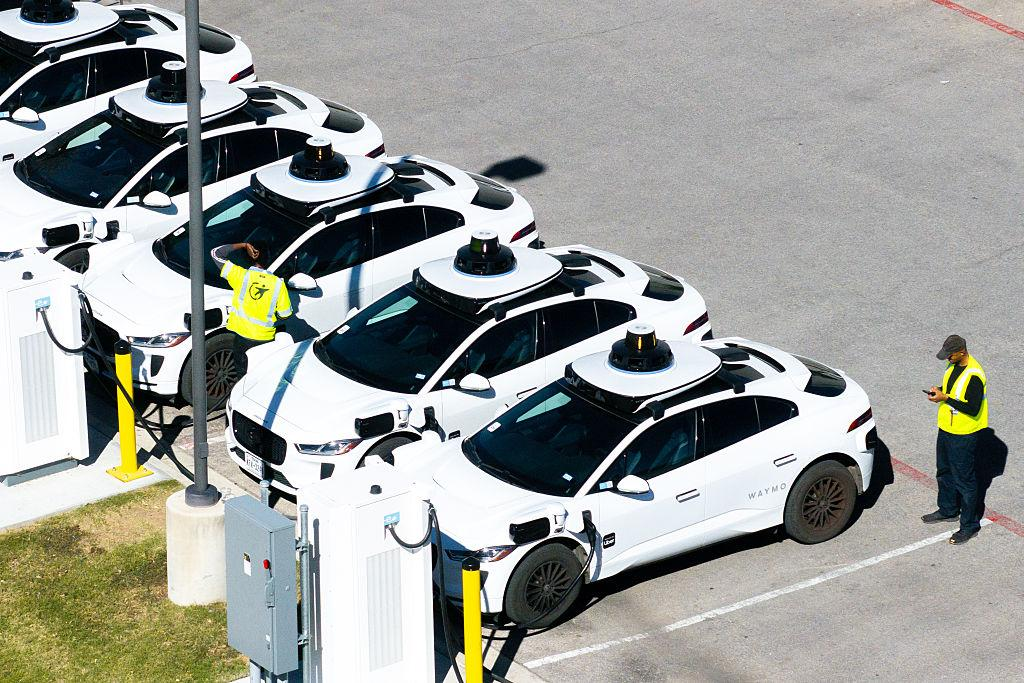
The future of transportation is rapidly evolving, and at the center of this transformation is Waymo. As one of the most advanced self-driving technology developers in the world, Waymo is helping accelerate a massive shift from human-driven vehicles to software-driven mobility systems. This transition has the potential to reshape the global transportation industry, which analysts estimate could become a trillion-dollar market in the coming decades.
The Rise of Autonomous Mobility
For more than a century, human drivers have controlled vehicles on roads worldwide. However, advances in artificial intelligence, sensors, and machine learning are changing that model. Autonomous vehicles rely on sophisticated software systems that can analyze traffic patterns, detect obstacles, and make real-time driving decisions.
Waymo, originally launched as a project within Google and later becoming a subsidiary of Alphabet Inc., has spent over a decade refining its self-driving technology. Its goal is to create vehicles capable of navigating complex urban environments without human intervention.
Through years of testing and real-world deployment, Waymo has developed a highly advanced autonomous driving platform that integrates cameras, radar, lidar sensors, and powerful AI software.
From Human Drivers to Software Systems
The concept of software-driven mobility represents a fundamental change in how transportation systems operate. Instead of relying on individual drivers, autonomous vehicles function through centralized software platforms that manage navigation, safety protocols, and operational decisions.
In this model, the vehicle becomes less about mechanical operation and more about digital intelligence. Algorithms analyze road conditions, predict the behavior of surrounding vehicles, and respond faster than human reaction times.
Waymo’s technology demonstrates how software can effectively replace many human driving functions, potentially improving road safety and reducing accidents caused by human error.
Real-World Deployment of Self-Driving Cars
Unlike many companies that are still testing autonomous systems, Waymo has already launched commercial robotaxi services in several U.S. cities. These driverless ride-hailing services allow passengers to request a vehicle through a mobile app, similar to traditional ride-sharing platforms.
The difference is that there is no human driver behind the wheel.
Passengers ride in fully autonomous vehicles that rely entirely on Waymo’s software to navigate city streets. This real-world deployment provides valuable data that helps refine the technology and accelerate its development.
As the system improves, autonomous ride services could expand into additional cities and regions around the world.
Economic Impact of Autonomous Transportation
The shift toward software-driven mobility has enormous economic implications. Autonomous vehicles could transform industries such as logistics, ride-sharing, delivery services, and public transportation.
Driverless trucks may eventually move goods across long distances more efficiently. Autonomous taxis could reduce transportation costs in urban areas. Even personal car ownership could change as on-demand autonomous fleets become more common.
For companies like Waymo, the opportunity lies not only in building vehicles but also in providing the software platforms that power these mobility networks.
The Road Ahead
Despite its progress, autonomous driving still faces challenges. Regulatory approval, public trust, and technical limitations remain important factors in determining how quickly self-driving technology can scale globally.
However, continued advancements in artificial intelligence and sensor technology are steadily improving the capabilities of autonomous systems.
Waymo’s leadership in this field places it at the forefront of a major transformation in transportation. As the industry moves toward software-driven mobility, the company represents one of the key innovators shaping the future of how people and goods move across the world.
In the coming years, the shift from human drivers to intelligent software may become one of the most significant technological revolutions in modern transportation.
