


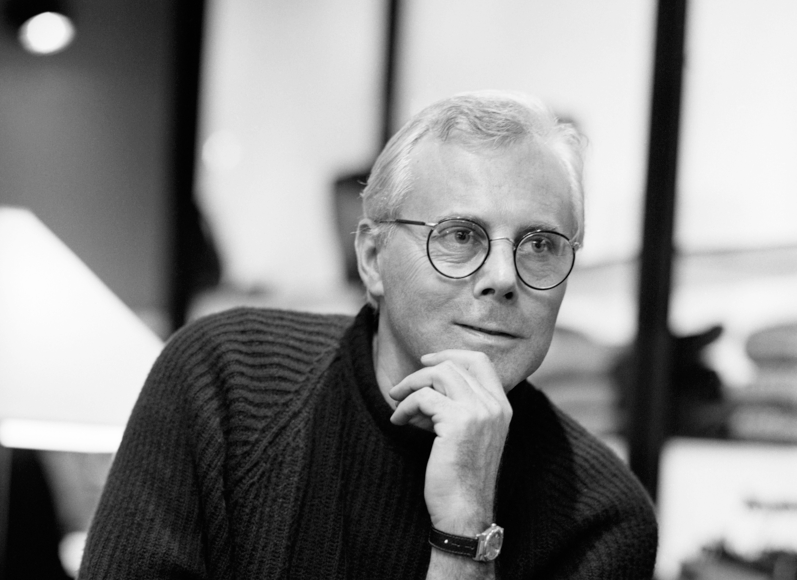
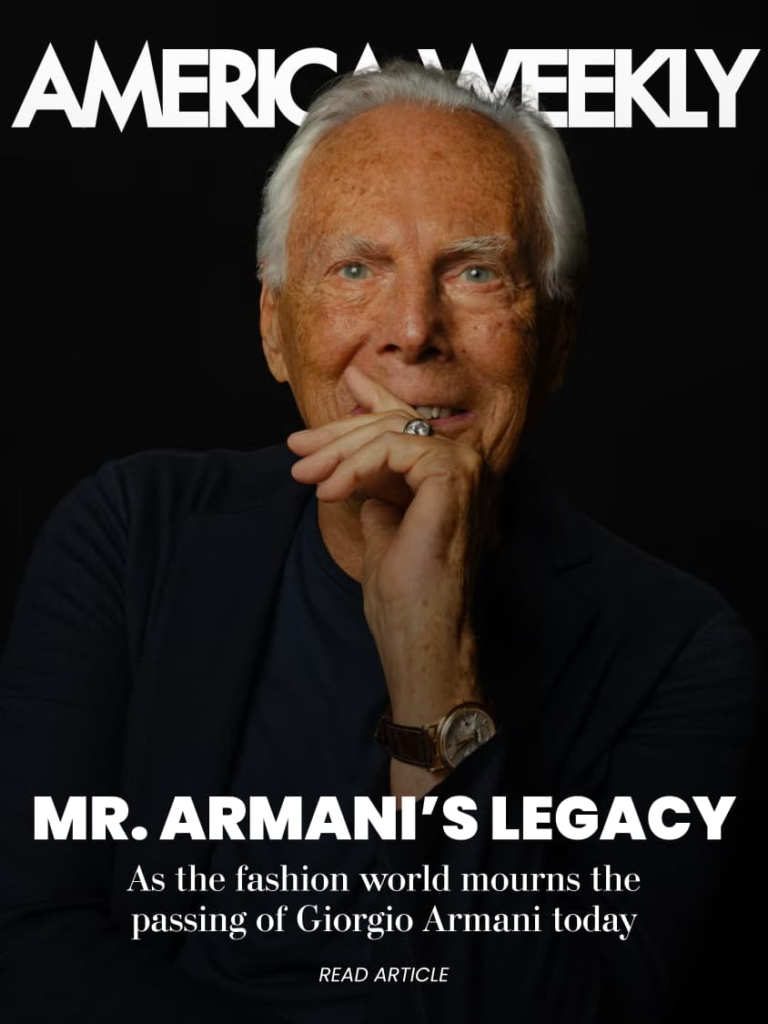
The name Giorgio Armani is synonymous with modern elegance, disciplined minimalism, and enduring influence in global fashion. Over a career spanning more than five decades, Mr. Armani has not only built one of the world’s most respected luxury empires but has also fundamentally reshaped how men and women dress for power, comfort, and self-expression. His legacy extends beyond garments to encompass cultural impact, business innovation, and a philosophy of timeless style.
Born in Piacenza, Italy, in 1934, Armani did not initially set out to become a fashion designer. After studying medicine briefly and later working in visual merchandising, he developed a sharp eye for proportion, texture, and presentation. This unconventional path proved formative. When he founded his own label in 1975, Armani entered an industry dominated by rigid tailoring and flamboyant trends. His response was revolutionary in its restraint.
Armani’s most significant early contribution was the deconstruction of the men’s jacket. By removing heavy linings and padding, he created suits that moved naturally with the body, projecting authority without stiffness. This approach redefined masculine elegance and quickly gained international attention. The “power suit” of the late twentieth century—soft-shouldered, fluid, and confident—was largely an Armani creation. It appealed to professionals who wanted credibility without ostentation, setting a new global standard for business attire.
His influence soon expanded into womenswear, where he applied the same principles of ease, neutrality, and architectural clarity. Armani rejected excessive ornamentation in favor of clean lines and muted palettes, empowering women to dress with strength and sophistication rather than decorative excess. This was particularly resonant as women increasingly entered leadership roles in business and public life. Armani’s clothing aligned seamlessly with broader social change, reinforcing his relevance beyond fashion alone.
Cultural visibility amplified Armani’s impact. His close association with cinema, particularly in Hollywood, placed his designs at the center of popular imagination. When actors such as Richard Gere wore Armani on screen, the brand became a visual shorthand for quiet confidence and modern success. Unlike designers who chased spectacle, Armani allowed his work to speak through character and narrative, reinforcing authenticity and longevity.
From a business perspective, Armani’s legacy is equally formidable. He built a vertically integrated, privately held fashion house that retained creative and operational independence. This structure allowed long-term decision-making rather than short-term trend chasing. The Armani Group diversified intelligently, encompassing haute couture, ready-to-wear, accessories, cosmetics, hospitality, and interior design. Each extension reflected the same aesthetic discipline, ensuring brand coherence across categories.
Notably, Armani resisted aggressive logo-driven marketing for much of his career. His emphasis on discretion reinforced exclusivity and trust. Clients were drawn not by overt branding but by the promise of quality, fit, and permanence. This approach has proven remarkably resilient in an industry often defined by volatility and rapid turnover.
Beyond commerce, Mr. Armani has consistently used his platform to support broader causes. Through philanthropy, disaster relief contributions, and advocacy for sustainability and ethical responsibility, he has demonstrated a sense of stewardship uncommon at his level of influence. In later years, he has spoken openly about slowing fashion’s relentless pace, calling for fewer collections and greater respect for craftsmanship and environmental impact. These positions have further cemented his status as a moral as well as creative authority within the industry.
Armani’s legacy is also defined by what he has avoided. He has largely stayed clear of scandal, trend excess, and unnecessary reinvention. While many designers build fame through provocation, Armani built trust through consistency. His work evolves subtly rather than abruptly, reinforcing the idea that true luxury lies in refinement, not novelty.
Today, even as fashion becomes increasingly digital and youth-driven, Armani’s influence remains deeply embedded in how designers think about tailoring, color, and proportion. His aesthetic vocabulary—greige tones, fluid silhouettes, understated luxury—has become part of the industry’s foundation. Younger brands may reinterpret these ideas, but the original framework is unmistakably his.
In sum, the legacy of Mr. Armani is one of quiet revolution. He changed fashion not by shouting but by simplifying, not by excess but by subtraction. His work elevated clothing into a language of confidence, professionalism, and restraint that transcends seasons and demographics. As trends come and go, Armani’s philosophy endures, ensuring his place not merely as a successful designer, but as one of the defining architects of modern style.
