


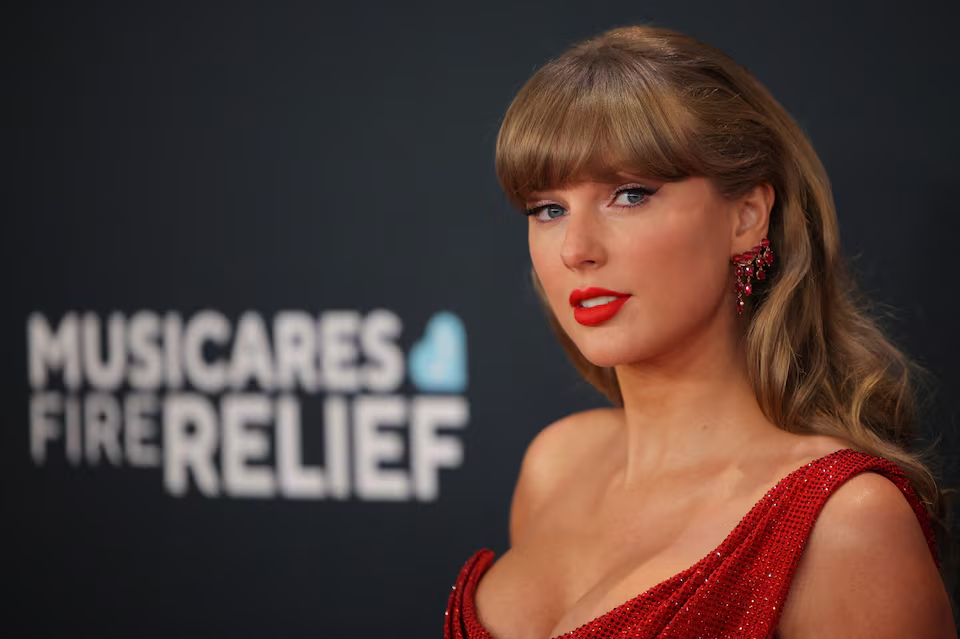
In today’s digital world, artificial intelligence (AI) is growing very fast. While AI brings many benefits, it also creates new problems. One of the biggest concerns is deepfake technology, where AI can copy a person’s voice, face, or actions. Recently, global pop star Taylor Swift has taken a strong step to protect herself from this issue by filing trademarks for her voice and likeness.
This move is not just important for her, but also for other celebrities and even regular people in the future.
What Is the Issue with AI Deepfakes?
Deepfakes are AI-generated videos, images, or audio that look very real. For example:
- AI can create a video where a celebrity appears to say something they never said
- It can copy a singer’s voice and create fake songs
- It can misuse someone’s face for misleading or harmful content
For celebrities like Taylor Swift, this can damage their reputation, brand value, and even income.
Why Taylor Swift Took This Step
Taylor Swift is one of the most powerful and influential artists in the world. Her voice, image, and style are her biggest assets. By filing trademarks, she is trying to:
1. Protect Her Identity
Her voice and face are unique. If AI copies them, people may not know what is real or fake.
2. Stop Unauthorized Use
Without legal protection, anyone could use AI to create fake content using her identity.
3. Maintain Brand Value
Taylor Swift’s brand is worth millions. Fake content can reduce trust among fans.
4. Set an Example
Her action may inspire other artists, influencers, and public figures to protect themselves.
What Does Trademarking Voice and Likeness Mean?
A trademark usually protects names, logos, or slogans. But now, it is expanding to include:
- Voice
- Facial features
- Personal style
If approved, this means no one can legally use her voice or likeness without permission.
For example:
- No AI-generated songs in her voice without approval
- No fake videos using her face
- No commercial use of her identity without consent
How AI Is Changing the Entertainment Industry
AI is already being used in music and movies. Some tools can:
- Clone voices
- Generate songs
- Create realistic videos
While this sounds exciting, it also creates risks.
Imagine hearing a new “Taylor Swift song” online that she never made. Fans might believe it is real. This can confuse audiences and harm the artist.
Legal Challenges Around AI
The law is still catching up with AI technology. Many countries do not have clear rules about:
- AI-generated content
- Voice cloning
- Digital identity protection
That’s why actions like Taylor Swift’s trademark filing are very important. They help create a legal path for others.
Impact on Other Celebrities and Creators
Taylor Swift is not alone. Many celebrities are worried about AI misuse.
Her decision could lead to:
- More artists filing similar trademarks
- Stronger laws for digital identity
- Better protection for content creators
Even YouTubers, influencers, and small creators may start protecting their voices and images in the future.
What This Means for Fans
Fans also need to be careful. Not everything online is real anymore.
Here’s what fans should do:
- Verify sources before believing content
- Avoid sharing fake videos or audio
- Support original content from official platforms
This helps protect both the artist and the community.
The Future of AI and Identity Protection
AI will continue to grow, and so will the need for protection. In the future, we may see:
- Strict laws for AI-generated content
- Digital identity rights for everyone
- Technology to detect deepfakes easily
Taylor Swift’s move is just the beginning of a larger change.
Conclusion
Taylor Swift filing trademarks for her voice and likeness is a smart and necessary step in today’s AI-driven world. It shows how important it is to protect personal identity in the digital age.
As AI becomes more powerful, both celebrities and everyday people will need better tools and laws to stay safe. This action is not just about one artist—it’s about the future of privacy, creativity, and trust online.
FAQs
1. What is a deepfake?
A deepfake is AI-generated content that looks real but is fake, such as videos or audio of someone saying or doing things they never did.
2. Why is Taylor Swift trademarking her voice?
She wants to protect her identity and stop AI from misusing her voice and image without permission.
3. Can AI really copy someone’s voice?
Yes, modern AI tools can create very realistic voice clones using small audio samples.
4. Will this affect other celebrities?
Yes, many celebrities may follow this step to protect their identity from AI misuse.
5. How can people identify fake content?
Check official sources, look for verification, and be cautious of unusual or suspicious content online.
