


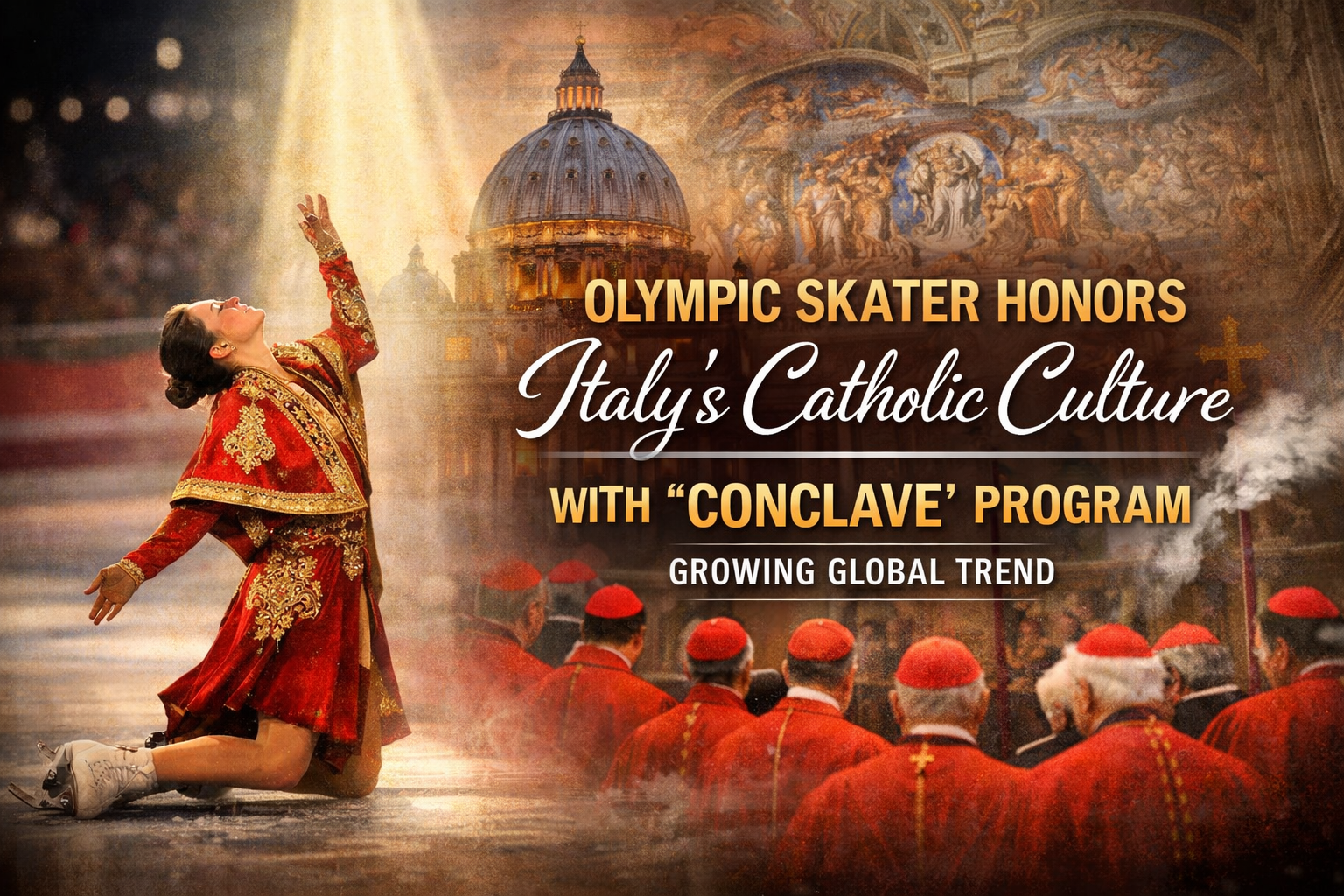
The world of figure skating is not just about jumps, spins, and medals. It is also about storytelling, emotion, and culture. Recently, an Olympic skater has captured global attention with a powerful new routine inspired by Italy’s deep Catholic roots. The program, called “Conclave,” is designed to honor Italy’s Catholic culture through artistic expression on ice.
This unique concept is growing fast in popularity. Fans, sports experts, and cultural observers are all talking about how this bold move connects sport with faith and tradition. In this article, we will explore why this Olympic skater’s “Conclave” program is becoming a global trend and how it reflects Italy’s rich Catholic heritage.
Understanding the Meaning of “Conclave”
The word Conclave is closely connected with the Catholic Church. A conclave is the secret meeting where cardinals gather in Vatican City to elect a new pope. It usually takes place inside the famous Sistine Chapel.
Italy is home to St. Peter’s Basilica, one of the most important Catholic churches in the world. Catholic culture has shaped Italy’s history, art, architecture, music, and social life for centuries.
By choosing the theme “Conclave,” the Olympic skater is not just creating a performance. They are presenting a tribute to Italy’s spiritual and cultural identity.
Why an Olympic Skater Chose a Religious Theme
In figure skating, storytelling is very important. Skaters often choose themes from movies, classical music, or history. But choosing a religious and cultural theme like “Conclave” is rare and bold.
There are several reasons why this Olympic skater may have chosen this theme:
1. Respect for Italian Heritage
Italy has a strong Catholic tradition. By honoring it, the skater shows respect for Italian culture and values.
2. Artistic Depth
Religious themes offer deep emotions. Faith, silence, mystery, and spiritual reflection create powerful moments on ice.
3. Unique Identity
In competitive sports, standing out is important. A “Conclave” program is different from common love stories or pop music routines.
4. Emotional Connection
Many viewers around the world connect emotionally with Catholic traditions, especially those who admire Vatican history.
This unique idea is one reason why the program is growing fast in popularity.
How the ‘Conclave’ Program Reflects Catholic Culture
The “Conclave” skating routine includes several artistic elements that reflect Catholic culture:
✔️ Music Selection
The music may include classical choir sounds, Latin chants, or orchestral pieces inspired by church traditions. These sounds create a spiritual atmosphere.
✔️ Costume Design
The skater’s costume may use colors like red, white, or gold — colors often associated with the Catholic Church. Some designs may be inspired by traditional clergy garments.
✔️ Choreography
The movements can reflect silence, prayer, reflection, and solemnity. Slow arm gestures and controlled spins represent dignity and faith.
✔️ Symbolic Storytelling
The program may symbolize transformation, guidance, or spiritual leadership — themes connected to a conclave.
By combining all these elements, the skater transforms the ice rink into a stage that reflects Italy’s Catholic identity.
The Growing Popularity of the ‘Conclave’ Program
This Olympic skating program is gaining attention worldwide. Here’s why it is growing fast:
🔥 Social Media Buzz
Clips of the performance are shared widely on Instagram, YouTube, and Twitter. Viewers admire the originality and emotional power.
🔥 Cultural Pride
Italian audiences feel proud to see their cultural heritage represented in an international sport.
🔥 Media Coverage
Sports journalists and bloggers are discussing how this program blends religion, art, and sports in a respectful way.
🔥 Global Curiosity
People who are not familiar with Catholic traditions are becoming curious about the meaning of a conclave.
Because of these factors, the program is not just a sports routine. It is becoming a cultural conversation.
Balancing Faith and Sport
One important question is how to balance religion and competitive sport.
Figure skating is judged based on technical skill and artistic performance. Judges focus on jumps, spins, step sequences, and interpretation of music. The religious theme does not affect scoring directly. However, strong artistic interpretation can increase performance points.
The skater’s goal is not to preach religion but to honor culture respectfully. That balance is very important. When done carefully, cultural themes can add beauty without controversy.
The Impact on Young Skaters
This “Conclave” program may inspire young skaters to explore cultural storytelling in their routines.
Instead of copying popular movie themes, they may:
- Choose themes from their own country’s history
- Explore traditional music
- Highlight religious or cultural celebrations
- Use art to express identity
This trend could bring more diversity and creativity into figure skating competitions worldwide.
Why This Concept Is SEO Trending
From a digital perspective, this topic is trending because it connects three powerful keywords:
- Olympic skater
- Italy Catholic culture
- Conclave program
People search for news related to the Olympics, Vatican, Catholic traditions, and cultural representation in sports. When these topics combine, they create strong search interest.
Blog posts, news articles, and social media discussions using these keywords are ranking quickly because the topic is unique and emotional.
Cultural Representation in International Sports
Sports are a global stage. Athletes often represent their countries through flags, colors, and national pride. But this Olympic skater goes one step further by representing spiritual heritage.
Italy is famous for:
- Renaissance art
- Vatican history
- Catholic traditions
- Classical music
Bringing these elements into figure skating highlights how culture and sport can work together.
Public Reaction to the ‘Conclave’ Program
The reaction so far has been mostly positive.
👍 Supporters Say:
- It shows respect for tradition
- It adds depth to figure skating
- It promotes cultural awareness
🤔 Some Concerns:
- Mixing religion and sport can be sensitive
- Interpretation must remain respectful
Overall, the artistic approach and respectful tone have helped the program gain appreciation instead of criticism.
The Future of Cultural Programs in Figure Skating
The success of the “Conclave” program shows that audiences want meaningful storytelling. Sports fans enjoy emotional performances, not just technical scores.
In the future, we may see:
- More historical themes
- Cultural tributes
- Spiritual music programs
- National heritage performances
This trend could redefine how figure skating programs are created.
Conclusion
The Olympic skater’s “Conclave” program is more than just a routine. It is a tribute to Italy’s Catholic culture, artistic tradition, and spiritual heritage. By using powerful music, symbolic choreography, and meaningful costume design, the skater brings history and faith onto the ice.
This bold concept is growing fast because it connects deeply with viewers. It shows that sports can be a platform for culture, identity, and respect.
As figure skating continues to evolve, creative and culturally inspired performances like “Conclave” will likely become even more popular.
FAQs
1. What is the meaning of the “Conclave” program in figure skating?
The “Conclave” program is inspired by the Catholic tradition of electing a pope in Vatican City. It reflects Italy’s Catholic culture through music and choreography.
2. Why is the Olympic skater’s program growing fast in popularity?
It is unique, emotional, and culturally meaningful. Social media sharing and media coverage have helped increase its visibility.
3. Does the religious theme affect competition scoring?
No. Judges score based on technical skills and artistic performance, not religious themes.
4. Is it common to use religious themes in figure skating?
It is not very common, which is why this program stands out and gains attention.
5. How does this program honor Italy’s Catholic culture?
It uses music, costume design, and symbolic movements inspired by Catholic traditions and Vatican heritage.
