


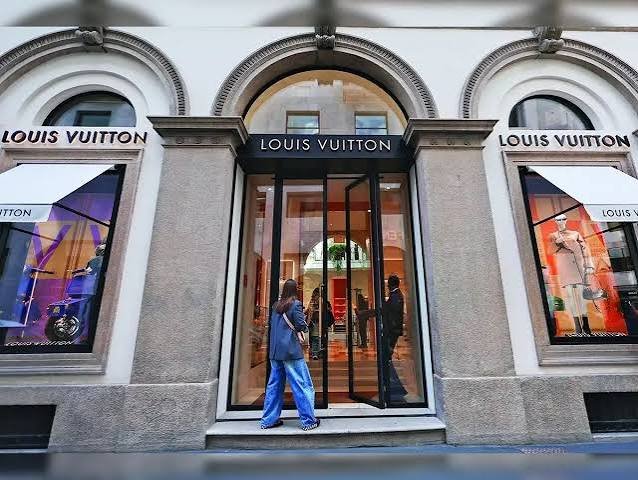
Luxury brands are changing the way they connect with customers. In the past, luxury was mainly about expensive products, premium materials, famous logos, and exclusive shopping experiences. People purchased luxury handbags, watches, clothes, perfumes, and jewellery to enjoy quality and show their personal style.
Today, however, the luxury industry is moving in a different direction. Many luxury brands are no longer focusing only on selling products. They are creating complete worlds around their names, where customers can experience fashion, art, culture, travel, beauty, entertainment, and lifestyle.
From luxury hotels and private clubs to fashion exhibitions and exclusive events, brands are finding new ways to become part of people’s everyday dreams.
But why are luxury brands investing so much in building their own worlds? And how does this strategy help them attract modern customers?
Let’s explore the reasons behind this growing luxury trend.
1. Luxury Is Becoming More About Experiences
Modern customers want more than just expensive products. They also want memorable experiences.
For example, purchasing a designer handbag is one experience, but visiting a beautiful fashion exhibition, attending an exclusive brand event, or staying at a luxury hotel connected to the same brand creates a deeper emotional connection.
Luxury companies understand that experiences can stay in people’s memories longer than individual purchases.
Brands such as Louis Vuitton have expanded their presence through exhibitions, cultural events, restaurants, and artistic collaborations.
These experiences allow customers to understand the brand’s personality beyond its products.
The goal is simple: make customers feel that they are entering a special world rather than simply visiting a store.
2. Building Emotional Connections With Customers
Luxury shopping is not always about practical needs. Many people purchase luxury products because of the emotions connected to them.
A designer watch may represent personal success. A luxury handbag may feel like a reward after years of hard work. A special fragrance may become part of someone’s identity.
Luxury brands are using storytelling to strengthen these emotional connections.
They create stories around their history, craftsmanship, designers, creative vision, and cultural influence.
For example, Chanel has built a strong identity around elegance, creativity, and timeless fashion.
Its customers are not only buying clothing or perfume. They are also connecting with a particular lifestyle and design philosophy.
When people emotionally connect with a brand, they are more likely to remain loyal to it.
3. Luxury Brands Want to Become Lifestyle Destinations
Another important reason behind this strategy is the growing interest in luxury lifestyles.
Many fashion and hospitality companies are expanding into different industries to create a complete lifestyle experience.
Luxury fashion brands are exploring opportunities in:
- Luxury hotels and resorts.
- Fine dining restaurants.
- Private members’ clubs.
- Beauty and wellness experiences.
- Travel and tourism.
- Art and cultural exhibitions.
- Home decoration and interior design.
For example, Armani has expanded beyond fashion into hotels and interior design.
Similarly, Bulgari has developed a hospitality business through its luxury hotels and resorts.
These businesses help luxury brands connect with customers in different parts of their lives.
Instead of being remembered only when someone wants to buy a product, they become part of the customer’s wider lifestyle.
4. Younger Generations Want More Than Famous Logos
Younger luxury customers are changing the market.
Millennials and Gen Z consumers are increasingly interested in individuality, creativity, sustainability, cultural experiences, and personal identity.
For many of these customers, owning an expensive product is not enough.
They want to know:
- What does the brand represent?
- What is its history?
- How does it support creativity?
- What makes its products different?
- What kind of community does it create?
- Does its lifestyle match their personal values?
Luxury brands are responding by investing in digital storytelling, creative collaborations, fashion events, and exclusive communities.
Social media has also made these experiences more visible.
A customer attending a private fashion event or visiting a beautiful luxury destination can share that experience online, introducing the brand to thousands of potential customers.
This makes brand experiences an important part of modern marketing.
5. Digital Technology Is Creating New Luxury Worlds
Technology is another major reason luxury brands are building bigger brand experiences.
Today, customers can explore luxury collections, watch fashion shows, attend digital events, and interact with brands through websites and social media.
Artificial intelligence, virtual reality, and augmented reality are creating additional opportunities for luxury businesses.
For example, customers may use augmented reality to see how a luxury accessory looks before purchasing it. Virtual experiences can also introduce customers to digital fashion collections and interactive brand environments.
Brands are also using digital platforms to offer personalised recommendations and exclusive content.
However, technology does not replace the traditional luxury experience. Instead, it helps connect the physical and digital worlds.
The strongest luxury brands are finding ways to make both experiences feel connected, premium, and personal.
6. Exclusivity Makes Luxury More Attractive
Exclusivity has always been an important part of luxury.
People are often attracted to products and experiences that are difficult to access.
Luxury brands understand this psychology and use limited collections, private shopping appointments, invitation-only events, and exclusive memberships to create a sense of distinction.
For example, Hermès is widely associated with craftsmanship, heritage, and highly desirable products.
Its brand identity is built around more than simply making expensive handbags. It represents a particular approach to quality, design, and exclusivity.
Creating a complete brand world allows luxury companies to extend this feeling across different experiences.
Customers feel that they are becoming part of something special, which can increase their interest and loyalty.
7. Art, Culture, and Creativity Are Becoming Important
Luxury brands have a long relationship with art and creativity.
Today, many companies are strengthening these connections through exhibitions, museum partnerships, architectural projects, and collaborations with artists.
These activities help brands build cultural influence.
For example, Louis Vuitton has worked with internationally recognised artists and designers to create special collections and creative projects.
Such collaborations introduce luxury brands to new audiences while keeping their image connected to innovation and artistic expression.
This strategy also helps brands communicate their values without depending entirely on traditional advertising.
When a luxury brand becomes associated with art and culture, it can develop a stronger position in the global creative industry.
8. A Complete Brand World Creates Long-Term Business Opportunities
Building a luxury world is not only a marketing strategy. It can also create new business opportunities.
A company that sells only one type of product depends heavily on that product category.
However, a luxury brand that operates across fashion, beauty, hospitality, restaurants, and lifestyle services can develop multiple revenue streams.
For example, a customer may first discover a brand through its perfume, later purchase its clothing, visit its restaurant, and eventually stay at its hotel.
Each experience creates another opportunity to build a relationship.
This approach can also help luxury businesses reach customers who may not be ready to purchase their most expensive products.
A person who cannot afford a luxury handbag might still enjoy a branded beauty product, fragrance, restaurant, or hospitality experience.
In this way, the brand becomes accessible through different levels of luxury.
9. The Future of Luxury Will Be About Identity and Belonging
The future of luxury is likely to focus increasingly on identity, personalisation, and belonging.
Customers will continue to purchase beautiful and high-quality products, but their expectations will become broader.
They will look for brands that offer meaningful experiences, strong creative identities, personalised services, and memorable moments.
Luxury companies will also need to balance exclusivity with modern expectations around sustainability, responsible production, and transparency.
Simply opening expensive stores or organising glamorous events will not be enough.
Successful brands will need a clear identity and a genuine reason for customers to connect with their world.
The most powerful luxury brands of the future may not simply be those with the most expensive products. They may be the ones that create the strongest emotional connections.
Conclusion
Luxury brands are building their own worlds because modern customers want more than products. They want experiences, emotions, culture, exclusivity, and a lifestyle they can connect with.
From fashion exhibitions and luxury hotels to digital experiences and private communities, companies are finding new ways to make their brands part of people’s lives.
This strategy helps luxury businesses build stronger customer relationships, increase brand loyalty, and discover new business opportunities.
Ultimately, the future of luxury is not just about what people buy. It is also about what they experience, what they remember, and what a brand makes them feel.

2 Comments
Pingback: The Athletes Quietly Building Million-Dollar Businesses - America Weekly | Latest US News, Politics & Weekly Updates
Pingback: The Business Minds Turning Athletes Into Luxury Brands - America Weekly | Latest US News, Politics & Weekly Updates