


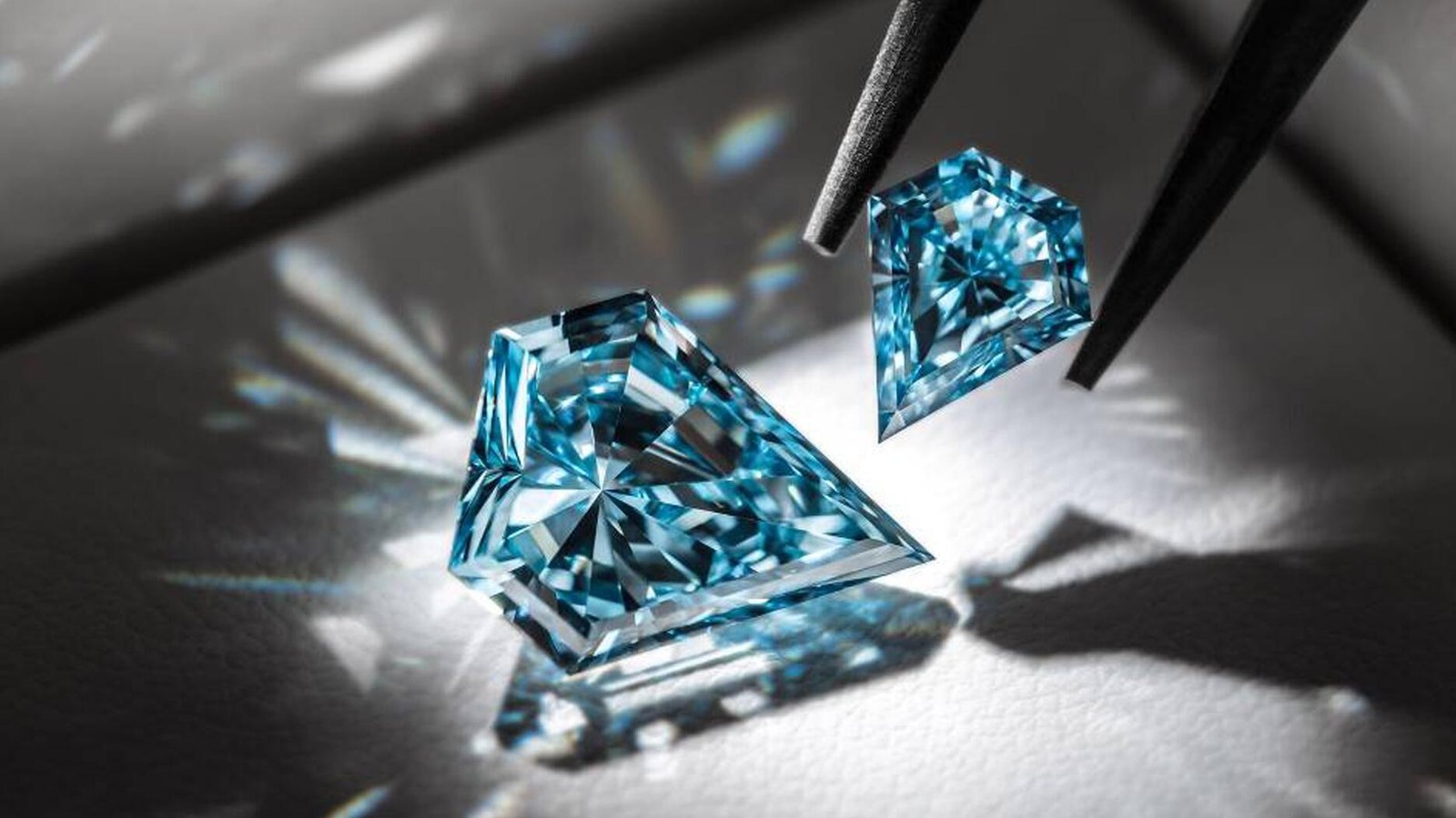
The luxury jewelry industry is changing, and lab-grown diamonds are becoming part of an important conversation. For many years, natural diamonds were associated with exclusivity, tradition, wealth, and timeless beauty. Today, lab-grown diamonds are attracting attention from consumers, jewelry brands, and fashion enthusiasts who are looking for alternative options.
Lab-grown diamonds offer the same basic crystal structure as natural diamonds, but they are created in controlled laboratory environments instead of being formed naturally deep inside the Earth. Their growing popularity raises an important question: Can lab-grown diamonds become a meaningful part of modern luxury?
The answer depends on how people define luxury, including craftsmanship, design, rarity, quality, brand identity, and personal value. In this article, we explore why lab-grown diamonds are entering the luxury conversation and what their growth means for the jewelry industry.
What Are Lab-Grown Diamonds?
Lab-grown diamonds are diamonds produced using advanced technology that recreates the conditions needed for diamond formation. They are made primarily through two methods: Chemical Vapor Deposition (CVD) and High Pressure High Temperature (HPHT).
These diamonds are made of carbon atoms arranged in a diamond crystal structure. They share the essential physical and chemical characteristics of natural diamonds.
Unlike diamond simulants such as cubic zirconia, lab-grown diamonds are actual diamonds. However, their origin is different.
Natural diamonds develop underground over extremely long geological periods. Lab-grown diamonds are manufactured in specialized facilities, where production can take significantly less time.
This difference in origin is important because it affects how consumers understand rarity, value, and the story behind a diamond.
Why Are Lab-Grown Diamonds Attracting Luxury Attention?
1. Changing Consumer Preferences
Luxury customers are not all looking for the same things. Some prioritize natural rarity and heritage, while others focus on design, quality, sustainability considerations, and price.
Lab-grown diamonds appeal to consumers who want diamond jewelry while considering alternatives to traditionally mined stones.
Younger shoppers, including some millennials and Gen Z consumers, are contributing to conversations about transparency, responsible sourcing, and modern purchasing choices. However, preferences differ widely, and not every luxury customer views lab-grown diamonds in the same way.
For jewelry brands, this creates an opportunity to offer more choice and explain the differences between diamond origins.
2. Accessible Diamond Jewelry
One of the major reasons for the growth of lab-grown diamonds is their potential price advantage compared with similar natural diamonds.
Lab-grown diamonds are often available at substantially lower prices, although the exact difference depends on carat weight, cut, color, clarity, brand, and market conditions.
This price difference can allow customers to consider larger stones or more elaborate designs within a particular budget.
For example, someone interested in an engagement ring may compare a natural diamond and a lab-grown diamond of similar grading characteristics. The lab-grown option may provide additional budget flexibility.
However, a lower purchase price does not guarantee that the diamond will retain its value or provide a financial return in the future.
3. Luxury Is Becoming More Design-Focused
Modern luxury is increasingly connected to personal style, craftsmanship, and design. A jewelry piece can be meaningful because of its shape, setting, artistic details, or connection to a special occasion.
Lab-grown diamonds can be used in a wide range of jewelry designs, including:
- Engagement rings
- Tennis bracelets
- Diamond earrings
- Pendant necklaces
- Statement rings
- Custom luxury jewelry
For designers, the stone’s origin is one consideration among many. The metal quality, finishing, proportions, setting technique, and overall design also contribute to how a piece is experienced.
This creates space for brands to position lab-grown diamond jewelry around design and craftsmanship rather than relying only on the idea of traditional diamond rarity.
Lab-Grown Diamonds and Sustainability
Sustainability is another reason lab-grown diamonds are entering the luxury conversation. Some consumers are interested in alternatives to traditional diamond mining and want to understand how their jewelry is produced.
Lab-grown diamonds do not require extracting diamond-bearing rock from the ground in the same way as mined diamonds. However, their environmental impact depends on factors such as energy sources, manufacturing efficiency, and production methods.
Laboratory production can involve significant energy consumption. Therefore, it is not accurate to assume that every lab-grown diamond has the same environmental footprint or is automatically sustainable.
Jewelry brands should provide clear information about their manufacturing processes and avoid unsupported environmental claims.
Consumers may also consider the metal used in the jewelry, packaging, labor practices, and supply chain transparency when evaluating a purchase.
Can Lab-Grown Diamonds Be Considered Luxury?
Luxury does not have one universal definition. Traditionally, luxury diamonds have been associated with geological rarity, heritage, premium craftsmanship, and brand prestige.
Lab-grown diamonds challenge the idea that luxury must depend entirely on natural origin. They offer an alternative approach in which design, quality, personalization, and brand experience can play a central role.
At the same time, natural diamonds continue to hold meaning for buyers who value their geological history, traditional symbolism, and perceived rarity.
The two categories can coexist, but they do not offer identical origin stories or market characteristics.
For luxury brands, the key challenge is communicating the product honestly while developing a clear identity. A lab-grown diamond collection may be positioned as contemporary, design-led, or accessible luxury, depending on its quality, craftsmanship, and branding.
The Role of Technology in the Diamond Industry
Advancements in technology have made diamond production more sophisticated. CVD and HPHT methods allow manufacturers to produce diamonds with different characteristics and sizes.
Technology also supports improvements in grading, manufacturing consistency, and jewelry design.
As the industry develops, consumers may become more familiar with the differences between lab-grown and natural diamonds. This could lead to more informed buying decisions and increased demand for clear product information.
However, technology alone does not establish luxury status. Brand reputation, craftsmanship, customer service, and product quality remain important parts of the luxury experience.
What Does the Future Hold for Lab-Grown Diamond Jewelry?
The future of lab-grown diamonds will depend on consumer demand, production costs, brand strategies, market pricing, and how customers perceive long-term value.
Some brands may focus on affordable fine jewelry, while others may develop premium collections with distinctive designs and high-quality craftsmanship.
Retailers will need to explain diamond origin, grading, pricing, and care instructions clearly. This is particularly important for customers purchasing engagement rings or other significant jewelry pieces.
The market may continue to develop with different customer groups choosing natural or lab-grown diamonds according to their individual priorities.
Rather than replacing every traditional diamond purchase, lab-grown diamonds are expanding the range of options available to jewelry buyers.
Conclusion
Lab-grown diamonds are entering the luxury conversation because they bring together technology, design, price accessibility, and changing consumer preferences. They offer the essential characteristics of diamonds while having a different origin from naturally mined stones.
Their place in luxury will depend on how brands communicate quality, craftsmanship, transparency, and value. Natural diamonds and lab-grown diamonds have different characteristics in terms of origin, rarity, and market positioning.
For consumers, understanding these differences can make it easier to choose jewelry that matches their budget, style, and personal priorities.
As the jewelry industry continues to evolve, lab-grown diamonds are likely to remain an important part of discussions about the future of luxury.
